
Pests
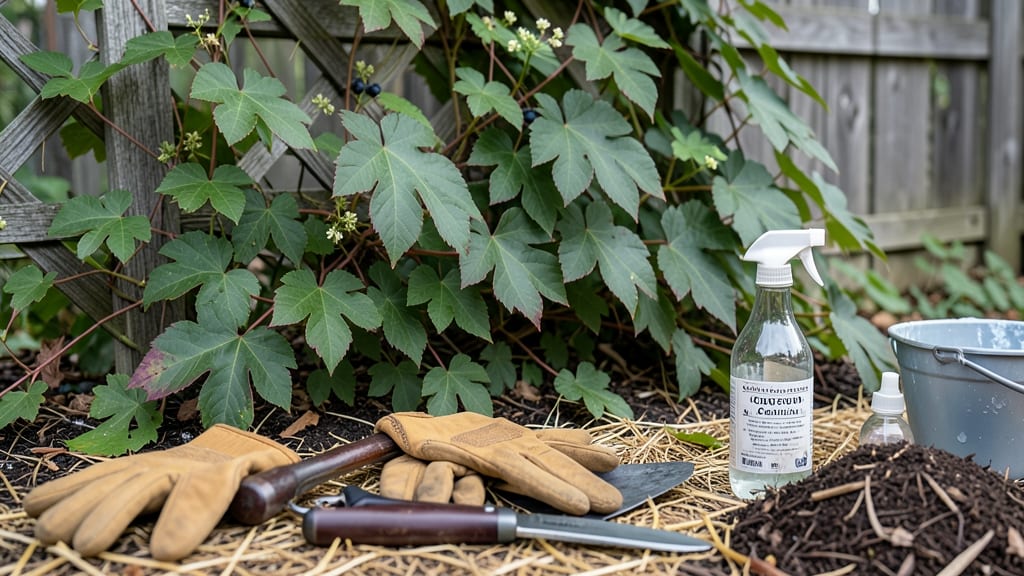
How to get rid of Virginia creeper naturally—this aggressive vine can take over your garden, but with the right approach, you can reclaim your yard without toxic chemicals that harm your soil and local wildlife. 🌱 The key is persistence—this plant fights back, but with the right methods, you can weaken and remove it naturally.
Start with gloves and a sharp shovel—manual removal works best when you cut the vines at the base and dig out the roots. For stubborn patches, try smothering with thick cardboard or mulch to block sunlight.
A vinegar solution (one part white vinegar to one part water) sprayed on the leaves also works, but apply it on a dry day to avoid spreading seeds.
You’ll see progress within 2-4 weeks if you’re consistent, especially in early spring before new growth starts. The goal isn’t instant eradication but steady control—this plant’s roots are tough, so patience pays off. Just avoid tilling, which can spread fragments and make the problem worse.
For large infestations or rocky terrain, consider calling a professional—sometimes the roots run deeper than we think. But for most yards, these methods work wonders over time. Let’s get your garden back to its full potential without harming the ecosystem.
📚 In This Guide
- What you need
- Instructions
- Tips and common mistakes
- Wrapping up and next steps
What you need
- ○ Gloves (heavy-duty) – 1 pair (to protect your hands from thorns and sap). Optional: Long sleeves for extra defense.
- ● Pruning shears or loppers – 1 set (sharp, clean blades for clean cuts). Tip: Disinfect with rubbing alcohol to prevent disease spread.
- ○ Garden fork or hoe – 1 (for digging out roots if needed). Optional: A dandelion digger for stubborn roots.
- ● Trash bags or compost bin – 2-3 large bags (for hauling debris). Pro tip: Seal bags to prevent regrowth from missed roots!
- ● Vinegar (white, 5-20% acetic acid) – 1 gallon (for spot treatment). Dilution: Use undiluted for strong areas or mix 1:1 with water for gentler use.
- ● Boiling water – 5+ gallons (for root systems). Safety first: Use a kettle or large pot—don’t pour near flammable materials!
- ● Salt (non-iodized) – 1 lb (for targeted root kill). Caution: Use sparingly—it can harm soil over time.
- ○ Corn gluten meal – 10 lbs (optional, for preventing regrowth in soil). Bonus: Also deters weeds naturally!
- ● Mulch (straw, wood chips, or newspaper) – 2-3 inches thick (to smother new growth).
- ● Spray bottle or garden sprayer – 1 (for vinegar/salt solutions). Capacity: 1-2 gallons for larger areas.
- ● Baking soda – 1 cup (mix with vinegar for a stronger weed killer).
- ● Dish soap (1 tbsp) – Adds stickiness to vinegar solutions for better coverage.
- ● Shovel or mattock – For deep-rooted patches (if pruning isn’t enough).
- ● Plant cover fabric – 1 roll (to block sunlight and prevent regrowth long-term).
Step-by-Step instructions for removing Virginia creeper naturally
Here's the method I've used to reclaim my yard without toxic sprays—just elbow grease and smart timing.
🌿 Step 1: Identify and Cut Back the Vines
Virginia creeper thrives by spreading its vines aggressively, so the first move is to stop its momentum. Grab a pair of sharp pruning shears and cut the vines at the base where they meet the ground or other structures. This prevents the plant from drawing nutrients from its roots and weakens it over time. I like to work on a dry, sunny day when the vines are easier to see and cut.
Don't just trim the visible vines—look for smaller shoots sprouting from the base or along the stems. These are the plant's way of regenerating, and cutting them early saves you work later. You'll know you're doing it right when you see fresh green stems appear after your cuts, signaling new growth you'll need to target next.
✂️ Step 2: Smother the Roots with Cardboard or Newspaper
Once you've cut back the vines, focus on the roots. Lay down a thick layer of cardboard or several sheets of newspaper directly over the area where Virginia creeper was growing. This blocks sunlight, which the plant needs to photosynthesize and regrow. Secure the edges with rocks or mulch to keep it in place.
I've found that adding a 2-3 inch layer of mulch on top of the cardboard helps keep it flat and prevents it from blowing away. Over time, the cardboard will break down, but by then, the roots should be weakened enough that they won't resprout as aggressively. This method works best in the spring or early summer when the plant is actively growing.
💧 Step 3: Apply Vinegar or Salt Water to Stubborn Growth
For any remaining vines or new shoots that pop up, a natural solution like vinegar or salt water can help kill them without chemicals. Mix equal parts white vinegar and water in a spray bottle, or dissolve 2 tablespoons of salt in a gallon of water. Spray this directly onto the leaves and stems of the Virginia creeper, avoiding nearby plants.
The key here is consistency. You'll need to reapply the solution every few days for about a week, especially after rain, to ensure the plant absorbs enough to die back. I've seen results within a week of daily applications, with the leaves turning brown and crispy. Just be cautious—this method can also harm other plants, so only target the Virginia creeper.
☀️ Step 4: Monitor and Repeat as Needed
Virginia creeper is persistent, so you'll need to stay vigilant. After the initial treatment, keep an eye out for any new shoots or regrowth. If you see any, cut them back immediately and reapply your chosen natural solution. Over time, the plant will weaken, and you'll spend less time managing it.
In my experience, it takes about 3-4 weeks of consistent effort to see significant reduction in Virginia creeper growth. Once the area is clear, you can replace the cardboard with mulch or plant ground cover to prevent regrowth. This step is all about patience—don't give up if you see new growth early on. Keep at it, and you'll win.
🪴 Step 5: Prevent Future Growth with Ground Cover
To keep Virginia creeper from returning, consider planting a dense ground cover like clover, creeping thyme, or hostas in the treated area. These plants will outcompete the creeper for space and sunlight, making it much harder for it to take hold again. I've had great success with creeping thyme—it's hardy, spreads quickly, and looks great.
If planting isn't an option, maintain the mulch layer you used earlier. A thick layer of mulch (3-4 inches) will suppress weeds and prevent Virginia creeper seeds from germinating. Just remember to replenish the mulch as it breaks down over time. This final step is your insurance policy against future invasions.
Tips & tricks for natural Virginia creeper removal
Real talk: Virginia creeper fights back harder than most weeds. Here's how to outsmart it without chemicals.
Timing is Everything: Spring and early summer are your best windows—this is when Virginia creeper is most vulnerable after winter dormancy. I've found that working on a dry, sunny morning gives me the clearest view of the vines and makes cutting more efficient. The plant's sap flows more freely in warm conditions, making it easier to see where to cut.
The Root of the Problem: When smothering roots with cardboard or newspaper in Step 2, overlap the layers by at least 2 inches to create a complete light barrier. I've learned this the hard way—gaps let sunlight through, and those sneaky roots will find a way to regrow. For stubborn areas, consider doubling up with black plastic sheeting underneath the cardboard for extra insurance.
Precision Cutting Technique: In Step 1, don't just hack at the vines—aim for clean cuts right at the base where they meet the ground. I use my pruners to make a shallow cut first to identify the exact base, then make a deeper cut to sever the vine completely. This prevents the plant from regenerating from the cut end. For thick vines, I make two cuts: one deep and one shallow, then remove the section between them.
Solution Application Strategy: When using vinegar or salt water in Step 3, focus on the undersides of leaves where the plant absorbs moisture. I've noticed the most dramatic results when I spray until the solution drips off the leaves—this ensures maximum coverage. For large areas, consider using a pump sprayer instead of a small bottle to save time and effort. And always spray on a calm day to prevent drift onto desirable plants.
Pro Tips for Get Rid Of Virginia Creeper Naturally
- Real talk: Virginia creeper fights back harder than most weeds. Here's how to outsmart it without chemicals.
- Timing is Everything: Spring and early summer are your best windows—this is when Virginia creeper is most vulnerable ...
- The Root of the Problem: When smothering roots with cardboard or newspaper in Step 2, overlap the layers by at least ...
Frequently asked questions
Got questions about tackling Virginia creeper naturally? You’re not alone—this invasive vine can be stubborn! Here are some of the most common concerns and straightforward answers to help you reclaim your space without harsh chemicals.
How long does it take for natural methods to work?
Natural solutions like vinegar, salt, or manual removal can show results within a few days to a couple of weeks, depending on the method and vine size. For example, vinegar (20-30% acetic acid) may kill smaller vines in 3–7 days, while larger roots or thick stems might need repeated applications over weeks. Patience is key—consistency beats quick fixes!
Is vinegar safe for plants and pets?
Vinegar is selectively safe—it’s effective on Virginia creeper but can harm nearby plants if oversprayed. Always target the vine directly and avoid contact with desirable foliage. For pets, dilute vinegar (1:1 with water) and rinse treated areas after application to prevent skin irritation. Never use near edible plants or in areas where pets frequent.
What’s the best time of year to remove Virginia creeper?
The ideal window is late summer to early fall (August–October) when the vine is actively growing but before it goes dormant. This ensures you’re targeting the roots and leaves when they’re most vulnerable. Avoid spring—this is when the vine is most aggressive and regrowth is rapid. For winter removal, focus on frozen roots (they’re easier to pull).
Will cutting the vine regrow? How do I prevent it?
Yes, Virginia creeper can regrow from roots or stem fragments if not fully removed. To prevent regrowth:
- Cut as close to the ground as possible (use pruners or a saw for thick stems).
- Apply vinegar or salt to the stump to kill remaining root tissue.
- For stubborn roots, smother with cardboard or mulch for 2–3 months to starve them.
Are there natural alternatives if vinegar or salt don’t work?
Try these chemical-free options:
- Boiling water: Pour directly on roots and stems (best for small patches).
- Corn gluten meal: Sprinkle around the base to prevent seed germination (great for long-term control).
- Manual removal: Dig out roots with a shovel or use a dandelion digger for stubborn clumps.
- Sheep grazing: If you have livestock, sheep will eat the vine (but monitor for overgrazing).
How do I protect my lawn or garden after removal?
After removing Virginia creeper, monitor the area for 6–12 months—new sprouts can pop up from dormant roots. To protect your space:
- Apply a thick layer of mulch (3–4 inches) to block light and prevent regrowth.
- Plant competitive ground covers like clover or creeping thyme to outcompete weeds.
- Check for new shoots regularly and treat them immediately with vinegar or manual removal.
Wrapping up and next steps
Getting rid of Virginia creeper naturally is totally doable with the right techniques—no harsh chemicals required! 🌿 From manual removal and vinegar sprays to smothering and mulching, these methods are eco-friendly and effective. Start small, stay consistent, and watch your yard reclaim its space.
Ready to take action? Pick one method today, test it out, and adjust as needed. Your garden will thank you! 🌱✨