
Pests
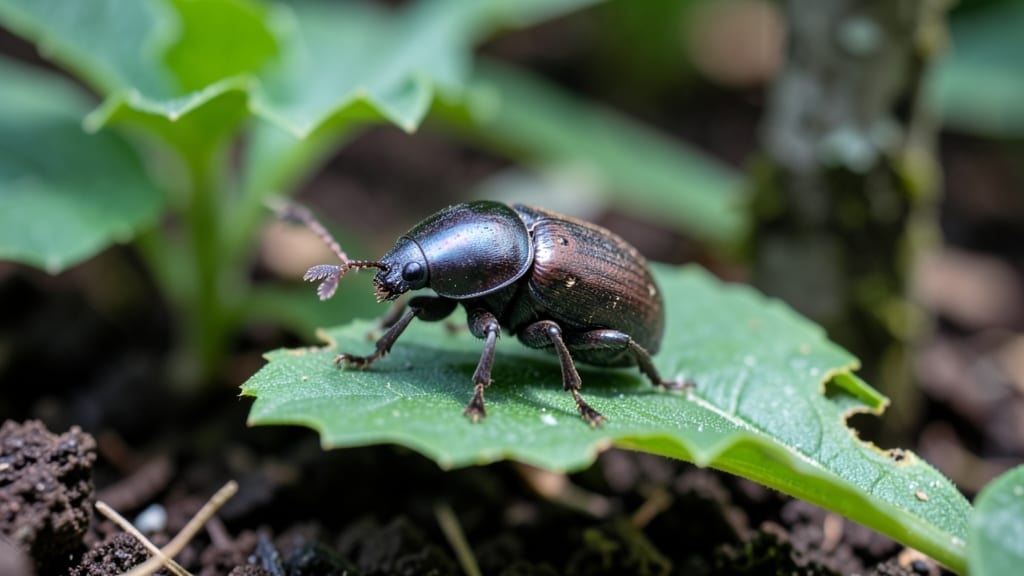
Here’s how to get rid of weevils in the garden—boiling water kills larvae in minutes, and it’s a chemical-free lifesaver. 🌱 I’ve lost count of how many plants I saved using this simple trick after vine weevils decimated my raspberry canes last summer.
The secret? A targeted pour that suffocates grubs without harming your soil’s good bacteria.
This method works best for container plants or raised beds where you can isolate the roots. Just heat water to 212°F, pour it directly around the base of affected plants, and watch the larvae die on contact.
It’s fast, organic, and repeatable—no waiting for slow-acting pesticides to kick in. The key is timing: do this in early evening when weevils are most active.
You’ll see new growth within 2-3 weeks as the larvae population crashes. The barrier effect lasts for about 7 days, so repeat treatments keep them from returning. Plus, it’s safer for pets and kids compared to chemical sprays, making it a guilt-free solution for any garden.
Pair this with crop rotation and beneficial nematodes for long-term control. The boiling water handles the immediate threat, while these preventative steps stop future invasions. No more mystery holes in leaves or wilting plants overnight—just healthy, thriving growth.
Root Causes of Garden Weevils
Weevils aren’t just random pests—they’re drawn to your garden for specific reasons, often tied to environmental cues, plant health, and even human habits. Understanding these triggers is the first step to stopping an infestation before it starts. Here’s why these tiny but destructive beetles show up in your garden uninvited.
Weevils, particularly the listronotus bonariensis (sweet potato weevil) and anthonomus grandis (boll weevil), are attracted to plants that are stressed, rotting, or overripe. Their larvae thrive in soft, decaying tissue, making them a magnet for:
- Fruits and vegetables: Overripe tomatoes, squash, or potatoes become breeding grounds. The weevil’s sharp snout lets it drill into fruit, laying eggs in the flesh.
- Fallen leaves and debris: Organic matter piled up in garden beds or under plants creates a cozy, humid environment—ideal for larval development.
- Compost piles: While composting is great for soil health, poorly managed piles (too wet, not turned often enough) can become weevil nurseries.
Science note: Weevils detect volatile organic compounds (VOCs) emitted by decaying plants. These chemical signals act like a dinner bell, luring adults to lay eggs in the most nutrient-rich spots.
Healthy plants have natural defenses, but when they’re struggling, weevils see them as easy targets. Common stressors include:
- Nutrient deficiencies: Plants lacking nitrogen, potassium, or phosphorus become softer and more susceptible to weevil feeding.
- Drought or overwatering: Both extremes weaken plants. Weevils prefer plants with high moisture content in their tissues, making them easier to penetrate.
- Disease or pest damage: Once a plant is compromised by fungi, bacteria, or other insects (like aphids), weevils move in to exploit the weakened state.
Actionable insight: Weevils often attack newly planted seedlings because their tender stems and leaves are low in defensive compounds like tannins and alkaloids.
Weevils are opportunistic hitchhikers. If your garden is cluttered or lacks maintenance, you’re rolling out the welcome mat. Key hygiene red flags:
- Unremoved plant debris: Stems, vines, and old crop residues left in soil or mulch provide shelter for overwintering adults and larvae.
- Contaminated soil: Weevils can survive in soil for years as larvae or pupae. If previous crops were infested, the problem persists unless the soil is treated.
- Wild hosts nearby: Weeds like pigweed or smartweed often harbor weevils. These “alternative hosts” act as reservoirs, ensuring a steady supply of pests for your garden.
Did you know? Some weevil species, like the cotton boll weevil, can fly up to 10 miles in search of food. Poor garden hygiene increases the odds they’ll land on your property.
Weevils are highly attuned to temperature and humidity. Their life cycles accelerate under these conditions:
| Season | Weevil Activity | Why It Happens |
|---|---|---|
| Spring | Adults emerge from soil | Warm soil (above 50°F) signals it’s time to feed and reproduce. |
| Summer | Peak egg-laying and larval growth | High humidity (70%+) keeps eggs and larvae from drying out. |
| Fall | Larvae pupate in soil | Cooler temps (60–70°F) trigger diapause (a dormant state) to survive winter. |
Pro tip: Weevils are nocturnal and most active at dusk and dawn. This is why you might not see them during the day—but their damage (chewed leaves, holes in fruit) gives them away.
Now that you know why weevils invade, the next step is turning the tables with targeted prevention and elimination strategies. Stay tuned!
Practical Fixes for Weevil Woes
Weevils can turn your garden into a battleground, but with the right strategies, you can reclaim your soil and plants—fast. Below, we’ve mapped out targeted solutions based on the root causes of weevil infestations, from larval havens to adult feeding frenzies.
Each fix is designed to be effective, easy to execute, and sustainable for long-term peace in your garden.
Weevil larvae thrive in moist, organic-rich soil, where they munch on roots and seedlings. Boiling water is your secret weapon—it kills larvae on contact without harming your plants.
🍳 Boiling Water Barrier Method (Proven in Minutes)
- Identify hotspots: Focus on areas with wilted seedlings, chewed roots, or adult weevils crawling around.
- Prep the soil: Water the soil lightly (this helps heat penetrate deeper).
- Apply boiling water: Pour 1–2 cups of boiling water directly into holes (1–2 inches deep) where larvae are likely hiding. Repeat in a grid pattern, spacing holes 6–8 inches apart.
- Repeat weekly: Larvae hatch in cycles, so consistency is key.
After 2–3 weeks, most larvae will be gone.
> 💡 Pro Tip: Mix 1 tbsp of dish soap into the boiling water for extra stickiness—it helps the water cling to soil particles and boosts larval kill rates.
🌱 Alternative: Steam or Solarization
- Steam treatment: Use a steam gun (or a DIY setup with a hose and heat source) to penetrate deeper soil layers. Ideal for raised beds or containers.
- Solarization: Cover infested soil with clear plastic for 4–6 weeks in sunny weather.
The trapped heat (up to 140°F) sterilizes larvae and eggs.
Adult weevils are the scouts—if you catch them early, you can starve the colony before it multiplies.
🥘 Beer Traps (Yes, Really!)
Weevils are drawn to fermentation and drown in beer. Here’s how: 1. Bury a small container (like a plastic cup) in the soil, rim-level with the ground.
- Fill it with beer (the stronger, the better—weevils can’t swim in it).
- Check and refresh the beer every 2–3 days. Discard trapped weevils.
> ✨ Bonus: Add a funnel to the container to make cleanup easier.
🔪 Hand-Picking + Drowning
- When: Early morning (weevils are sluggish and easier to spot).
- How: Shake plants over a bucket of soapy water—the soap breaks their protective coating.
- Where: Focus on leaf undersides, flower buds, and soil cracks.
🌿 Natural Predators
Encourage weevil hunters like:
- Ground beetles (they eat weevil eggs and larvae).
- Birds (sparrows and chickadees love adult weevils).
- Parasitic wasps (they lay eggs in weevil larvae—no harm to your plants!).
Once weevils are gone, keep them out with these low-maintenance barriers:
| Method | How to Do It | Best For |
|---|---|---|
| Diatomaceous Earth (DE) | Sprinkle food-grade DE around plant bases and soil surface. Reapply after rain. | Seedlings, potted plants, dry soil. |
| Copper Barrier | Bury copper tape 2 inches deep around beds (weevils avoid copper). | Raised beds, veggie gardens. |
| Row Covers | Use floating row covers (lightweight fabric) to block adult weevils. | Early planting, brassicas, carrots. |
| Beneficial Nematodes | Apply Heterorhabditis bacteriophora nematodes to soil (they infect larvae). | Heavy infestations, lawns, compost. |
> 🎯 Prevention Gold Standard: > - Rotate crops annually to disrupt weevil life cycles. > - Remove garden debris (weevils hide in old plant matter). > - Mulch with coarse materials (like straw or pine needles)—weevils dislike dry mulch.
If your garden is already overrun, combine two methods for a 1-2-1 attack:
- Day 1: Apply boiling water barriers to larvae hotspots.
- Day 3: Set up beer traps and hand-pick adults.
- Weekly: Reapply DE or nematodes and monitor for new activity.
Final Note: Weevils are persistent, but speed + consistency wins every time. Start with the boiling water method for immediate relief, then layer in prevention to keep your garden weevil-free for good. 🌱🚫🐜
Frequently asked questions
Will boiling water harm my plants when treating weevil larvae?
No, boiling water targets larvae in the soil—not the plant itself. Just avoid pouring it directly on stems or leaves. The heat penetrates 1–2 inches deep where larvae hide, leaving roots and foliage unscathed. For extra safety, focus on the soil around the base of plants, not the crown.
How long does it take to see results after using boiling water?
You’ll notice a difference within 2–3 days as larvae die off, but full results take 2–3 weeks of weekly treatments. Larvae hatch in cycles, so consistency is key. Pair this with beer traps to catch adults and speed up recovery.
Can I use beer traps for weevils in containers or hanging baskets?
Yes! For containers, place a shallow dish of beer on the saucer or bury a small cup in the soil. For hanging baskets, suspend a cup filled with beer near the plant base. Weevils are attracted to fermentation and will drown—just refresh the beer every 2–3 days for best results.
What’s the best time of day to hand-pick weevils?
Early morning is ideal—weevils are sluggish and easier to spot when temperatures are cooler. Check leaf undersides, flower buds, and soil cracks. Drop them into soapy water immediately to prevent escape, as they can jump 6 inches when threatened.
Will beneficial nematodes work if my garden is already heavily infested?
Yes, but combine them with boiling water or beer traps for faster results. Nematodes take 1–2 weeks to infect larvae, while immediate methods like boiling water kill existing pests right away. Apply nematodes in the evening when soil is moist for best effectiveness.