
How To
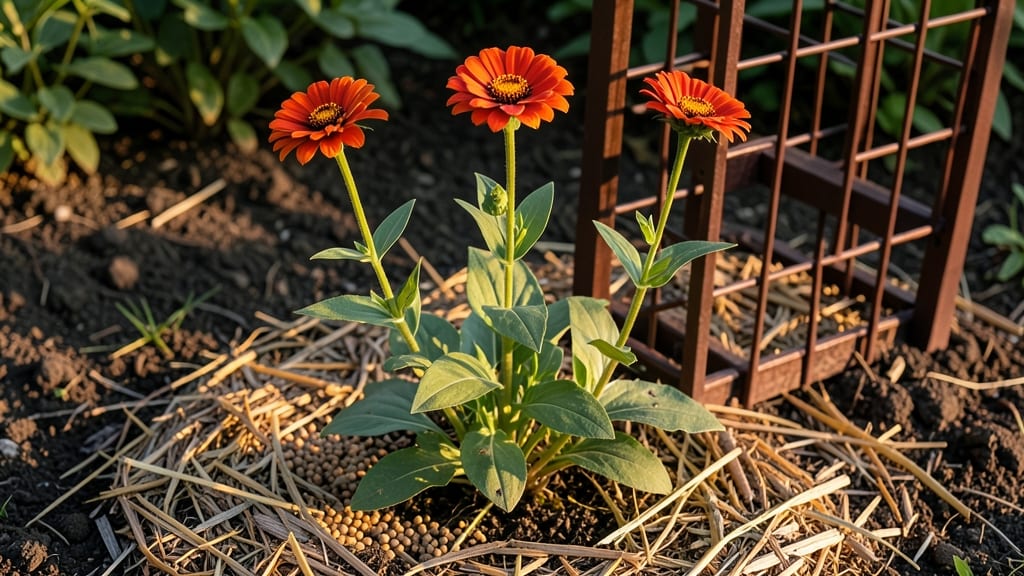
How to get zinnias to grow tall—it starts with the right variety and a little extra care. 🌻 Those towering stems aren’t just pretty; they’re the showstoppers of summer. The secret to sturdy, sky-reaching zinnias? Start with a variety like 'Benary’s Giant' and give them the space and care they crave. Most gardeners overlook spacing or pruning, which is why their zinnias flop instead of flourish. You’ll need full sun, well-drained soil, and a little elbow grease with pruning and support. Stakes or cages keep stems upright, while strategic pruning encourages bushier growth. Skip the crowded beds and weak fertilizer—zinnias reward patience with stems that reach 3-4 feet tall, not the 18-inch shrubs you often see. The payoff? Bold blooms that draw hummingbirds and make your garden the envy of the neighborhood.
📚 In This Guide
- What you need
- Instructions
- Tips and common mistakes
- Wrapping up and next steps
What you need
- ● Zinnia seeds or seedlings: Choose tall varieties like Benary’s Giant, State Fair, or Profusion for heights of 3–5 feet.
- ● Quantity: 10–20 seeds (or 5–10 seedlings) per plant, depending on desired density.
- ● Well-draining potting mix or garden soil: For containers: 10–20% perlite or vermiculite (e.g., 50% potting mix + 50% compost + 10% perlite).
- ● For in-ground: Amend with 2–3 inches of compost or aged manure for nutrient-rich soil.
- ● Containers (if not planting in-ground): Minimum size: 12-inch diameter for each plant (or 1 plant per 6-inch pot).
- ● Material: Terra cotta, fabric, or plastic (ensure drainage holes!).
- ● Support structures: Stakes: 3–4 wooden or bamboo stakes (6–8 feet tall) per plant.
- ● Trellis or tomato cages: 1–2 per plant (or a flower ring for grouped plants).
- ● Twine or plant ties: Soft garden twine or Velcro plant ties (1–2 rolls).
- ● Pruning tools: Clean, sharp bypass pruners (for cutting stems).
- ○ Optional: Hand pruners for smaller cuts.
- ● Watering supplies: Watering can with a rose nozzle (for gentle watering).
- ● OR a drip irrigation kit (to keep soil consistently moist).
- ● Fertilizer: Balanced liquid fertilizer (e.g., 10-10-10 or 5-5-5) or slow-release granules (like Osmocote).
- ● Quantity: Follow package instructions (typically 1 tbsp per gallon of water or ½ cup per 10 sq ft).
- ● Mulch: Straw or shredded leaves (2–3 inches) to retain moisture and suppress weeds.
- ● Epsom salt: 1 tbsp dissolved in water (monthly) for magnesium boost (especially for tall varieties).
- ● Growth regulators: Seaweed extract or kelp meal (1 tbsp per gallon) to strengthen stems.
- ● Shade cloth: Lightweight (30–50%) for seedlings if planting in hot climates.
- ● Garden journal: To track pruning dates, watering schedules, and growth progress!
Step-by-Step instructions for growing tall, sturdy zinnias
Here’s how I coax zinnias to reach their full height with strong stems—no flopping blooms in sight.
🌱 Step 1: Start with Healthy Seedlings and Proper Spacing
Plant zinnias in full sun with at least 12-18 inches between plants—crowding forces stems to compete for light and weakens their structure. I always pinch off the first set of true leaves to encourage bushier growth from the base. This redirecting energy upward prevents leggy stems.
Use well-draining soil rich in compost—zinnias hate soggy roots, which rot stems and stunt height. If your soil is heavy clay, mix in 2-3 inches of sand or perlite to improve drainage. Water deeply after planting, then let the top inch of soil dry out before watering again. Overwatering makes stems soft and prone to snapping.
✂️ Step 2: Prune Strategically for Stronger Stems
When zinnias reach about 6 inches tall, pinch back the top set of leaves just above a pair of healthy leaves. This forces the plant to branch out, creating multiple stems instead of one tall, weak one. I repeat this pruning every 4-6 weeks throughout the season to maintain compact growth.
Here’s the thing—never cut more than ⅓ of the plant’s height at once. You’ll stunt growth if you’re aggressive. Instead, make small cuts to encourage lateral buds to open. Watch for new shoots forming at the base; these are your future tall, sturdy stems.
🪴 Step 3: Add Support Early for Wind and Rain Resistance
Install bamboo stakes or tomato cages as soon as stems reach 12 inches tall. Gently tie the main stem to the support with soft plant ties or old pantyhose—never use wire, which can cut into the stem. This prevents stems from snapping under wind or heavy blooms.
If you’re growing zinnias in a windy area, add a second stake on the opposite side of the plant. You’ll see the difference immediately—supported stems grow straighter and thicker, while unsupported ones bend or break. I also avoid overhead watering after supporting the stems; water at the base to keep foliage dry and prevent fungal issues.
☀️ Step 4: Feed and Deadhead for Continuous Growth
Fertilize zinnias lightly every 4-6 weeks with a balanced 10-10-10 or 5-10-10 formula—too much nitrogen makes them bushy but weak-stemmed. I mix in a handful of compost around the base monthly to boost root strength. Strong roots mean taller, sturdier plants.
Deadhead spent blooms regularly to redirect energy into stem growth. Cut back to the first set of healthy leaves below the flower head—this encourages more blooms and strengthens the stem. If you see leggy growth between blooms, it’s a sign the plant needs more light or pruning.
⏰ Step 5: Monitor and Adjust for Peak Height
By midseason, your zinnias should be reaching their mature height of 2-4 feet, depending on the variety. If stems start to flop despite support, prune back any weak growth immediately. You’ll know a stem is too weak if it bends under its own weight or blooms.
In hot climates, provide afternoon shade during peak summer to prevent stress. Overly stressed plants grow tall but weak. Watch for powdery mildew on leaves—this fungal disease weakens stems. If you spot it, spray with neem oil and improve airflow around the plants by thinning foliage.
Tips & tricks for perfect zinnia growth
Growing tall zinnias isn't just about patience—it's about the little details that make all the difference. Here's what I've learned after watching zinnias grow from floppy to fabulous.
Spacing is Everything: That 12-18 inch spacing in Step 1 isn't just a suggestion—it's crucial. I've seen zinnias planted too close develop weak stems that can't support their own weight. If you're working with limited space, consider using containers where you can control spacing better than in garden beds. The key is giving each plant enough room to develop strong roots and stems without competing for sunlight.
Sunlight Strategy: When Step 2 mentions rotating your plants every few days, I want to emphasize how important this really is. I've had zinnias grow tall but lopsided because they kept reaching toward the light source. For container growers, rotate your pots a quarter turn every 3-4 days to keep stems growing straight. This simple habit can save you from having to stake plants later when they're already leaning.
Pruning Payoff: The 2-3 week wait after cutting back leggy stems in Step 3 is worth it. I've seen zinnias that were nearly toppling produce brand new growth within that timeframe. Pro tip: When you're deadheading, look for stems that are growing straight up—these are your strong candidates for future height. The ones that flop or grow at odd angles are the ones that need cutting back sooner rather than later.
Support System: For those 6-8 inch stakes in Step 4, I recommend installing them at planting time even if you're not growing giant varieties. You'll thank yourself later when your zinnias are heavy with blooms and not toppling over. I've used everything from bamboo stakes to repurposed wire hangers for support—whatever you have on hand works as long as it's sturdy. The key is to tie stems loosely so they can grow but aren't restricted.
Pro Tips for Get Zinnias To Grow Tall
- Growing tall zinnias isn't just about patience—it's about the little details that make all the difference.
- Spacing is Everything: That 12-18 inch spacing in Step 1 isn't just a suggestion—it's crucial.
- Sunlight Strategy: When Step 2 mentions rotating your plants every few days, I want to emphasize how important this really is.
Frequently asked questions
Got questions about growing tall, sturdy zinnias? You’re not alone! Here are some of the most common queries—plus quick answers to help you troubleshoot and thrive.
How often should I prune zinnias to encourage height?
Prune zinnias lightly every 2–3 weeks during the growing season (spring to fall) to promote bushier, taller growth. Remove spent blooms and leggy stems just above a leaf node—this redirects energy upward. Avoid heavy pruning late in the season, as it can stunt fall blooms.
Can zinnias grow tall in cooler climates?
Zinnias thrive in warm weather (60–75°F) but can still grow tall in cooler zones if you plant them after the last frost (when soil temps hit 55°F). Choose heat-tolerant varieties like ‘Benary’s Giant’ or ‘Profusion,’ and provide afternoon shade in hotter climates. Mulch helps retain warmth for early-season growth.
What’s the best support for tall zinnias?
Use cage supports (like tomato cages) or bamboo stakes for single stems, while floral rings work well for clusters. Tie stems loosely with soft plant ties or old pantyhose to avoid damaging the stems. Avoid overcrowding—zinnias need airflow to stay sturdy!
Why are my zinnias growing tall but flopping over?
Floppy stems often signal overcrowding, poor support, or nutrient deficiencies (like low phosphorus). Space plants 12–18 inches apart, add a balanced fertilizer (10-10-10), and prune to improve airflow. Check for pests like aphids or spider mites, which weaken stems.
Can I grow zinnias from seed for taller blooms?
Yes! Start seeds indoors 4–6 weeks before the last frost for a head start. Use well-draining soil and keep seedlings warm (70°F+). Direct-sow after frost, thinning to 6–12 inches apart. Varieties like ‘Double Click’ or ‘Zahara’ naturally grow taller with proper care.
Wrapping up and next steps
Growing tall, thriving zinnias is all about patience, proper care, and a little extra support! 🌱 With the right pruning techniques, sturdy stakes, and consistent watering, you’ll soon enjoy vibrant blooms reaching for the sky.
Remember, every gardener starts somewhere—your zinnias will reward your efforts with stunning height and beauty.
Now that you’re armed with these tips, grab your pruners and head to the garden! Try one technique at a time, observe what works best for your plants, and don’t forget to share your progress. Happy gardening—your future tall zinnias are waiting! 🌸