
Size
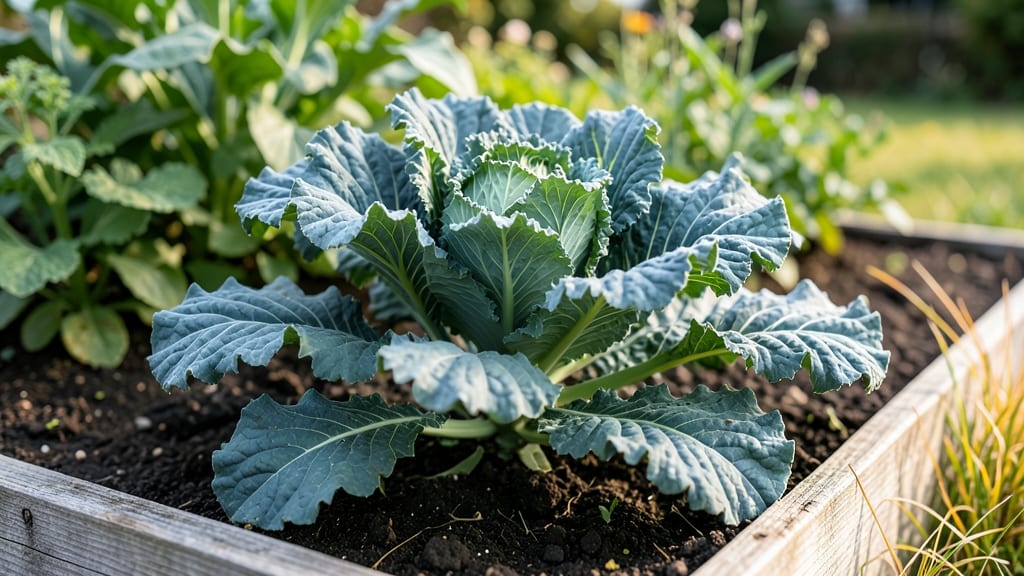
Dino kale grows bold, blistered leaves in just 30 days—no fancy tricks needed. 🌱 I planted my first batch last spring after years of growing boring flat-leaf varieties, and the difference was shocking.
Those thick, textured leaves stay crisp even after frost, and they're perfect for salads, sautéing, or raw snacking.
The secret starts with loose, nutrient-rich soil—Dino kale hates compacted dirt. Mix in compost before planting, and space seedlings 12-18 inches apart to give them room to grow.
Unlike delicate greens, Dino kale thrives in cooler weather, so you can plant it 4-6 weeks before your last frost or again in early fall for a second harvest.
Once established, it's foolproof: water when the top inch of soil feels dry, and fertilize lightly every 4-6 weeks. The leaves develop their signature ruffled texture as they mature, and you can start harvesting outer leaves when they're 6-8 inches tall—the plant keeps producing for months.
Watch for aphids (they adore kale) and cabbage worms, but a strong spray of water usually does the trick. If leaves turn yellow, check your watering—Dino kale prefers consistent moisture but hates soggy roots. With proper care, you'll get harvests that last well past what most greens can handle.
📚 In This Guide
- What you need
- Instructions
- Tips and common mistakes
- Wrapping up and next steps
What you need
- ● Dino Kale Seeds – 1 packet (contains ~500 seeds; plant 10-15 seeds per 12-inch pot or 10 seeds per 18-inch row). Look for organic, non-GMO varieties for best results.
- ● Well-draining soil – 5-10 gallons (depending on container size). Use a mix of 60% potting soil + 30% compost + 10% perlite for optimal aeration.
- ● Containers or garden bed: Containers: 5-gallon pots (1 per plant) or a raised bed (12" deep x 18" wide). Ensure they have drainage holes!
- ● Garden bed: Full sun (6+ hours/day) or partial shade (4-6 hours). Dino Kale tolerates cooler climates but needs consistent moisture.
- ● Watering can or hose with a gentle spray nozzle (avoid blasting seeds).
- ○ Organic fertilizer (optional but recommended): Balanced 10-10-10 or fish emulsion (1 tbsp per gallon of water). Apply every 3-4 weeks.
- ● Epsom salt (1 tbsp per plant) for magnesium boost (helps with those bold purple streaks!).
- ● Garden gloves – Protect your hands from prickly stems and soil.
- ● Trowel or transplanting tool – For digging small holes (¼" deep) for seeds.
- ● Row cover or shade cloth (30-50% shade) – If planting in hot climates (above 85°F) to prevent bolting.
- ● Mulch (straw or grass clippings) – 1-2 inches to retain moisture and suppress weeds.
- ● pH test kit – Dino Kale prefers 6.0-7.0 pH. Adjust with lime (to raise) or sulfur (to lower) if needed.
- ● 🌡️ Temperature: Start seeds indoors 4-6 weeks before last frost (ideal soil temp: 60-70°F). Transplant outdoors when soil is 45°F+.
- ● ✨ Spacing: Thin seedlings to 12-18 inches apart once they’re 2-3 inches tall for maximum leaf growth.
- ● 💪 Harvest hack: Use clean scissors to snip outer leaves (leave the center intact) for continuous harvests.
Step-by-Step instructions for growing Dino kale
Here's how to cultivate this fast-growing, nutrient-packed variety with minimal fuss.
🌱 Step 1: Prepare the Planting Site or Containers
Dino kale thrives in loose, well-draining soil with a pH between 6.0 and 7.0. If planting directly in the garden, choose a location with at least 6 hours of sunlight daily—morning sun with afternoon shade works well in hot climates. Amend the soil with 2-3 inches of compost and work it into the top 6 inches of soil to improve drainage and fertility.
For container growing, use 5-gallon pots with drainage holes. Fill with a mix of 50% potting soil and 50% perlite or coarse sand to prevent compaction. This variety grows quickly, so larger containers prevent root binding. I always add a slow-release fertilizer at planting to give seedlings a nutrient head start.
🌱 Step 2: Sow Seeds or Transplant Seedlings
Direct sow seeds ¼ inch deep, spacing them 12-18 inches apart in rows 18 inches apart for optimal airflow. Dino kale seeds germinate best in soil temperatures between 60-70°F—wait until all danger of frost has passed, or use a cold frame to speed germination. Seeds typically sprout in 7-10 days, though cooler temperatures may extend this to 2-3 weeks.
If starting from transplants, choose 4-6 week-old seedlings with 4-5 true leaves. Harden them off for 5-7 days before transplanting to prevent shock. Plant at the same depth they grew in their nursery pots, and water deeply right after transplanting to settle the soil around the roots. This variety handles transplanting well, so you won’t lose growth time.
💧 Step 3: Water and Maintain Consistent Moisture
Dino kale needs consistent moisture—never let the soil dry out completely, but avoid soggy conditions that invite rot. Water deeply 1-2 times per week, aiming for 1 inch of water per week. The key is even moisture: let the top 1-2 inches of soil dry between waterings, then soak thoroughly. You’ll know you’ve got it right when the soil feels damp but not waterlogged.
Mulch around plants with 2-3 inches of straw or shredded leaves to retain moisture and suppress weeds. This is especially important in hot weather, where rapid evaporation can stress plants. I always check the soil moisture by hand—if it feels dry 1 inch below the surface, it’s time to water. Overhead watering can spread disease, so water at the base instead.
☀️ Step 4: Provide Optimal Light and Fertility
Dino kale grows best with full sun to partial shade, particularly in hotter regions. If leaves start yellowing between the veins, it’s a sign of too much sun—provide afternoon shade during peak summer months. In cooler climates, full sun exposure ensures the bold, crinkled leaves this variety is known for. Rotate plants quarter-turn weekly to encourage even growth and prevent leaning.
Feed plants with a balanced liquid fertilizer (10-10-10) every 3-4 weeks during the growing season. I switch to a low-nitrogen, high-potassium fertilizer (5-10-10) in the last 4-6 weeks to sweeten the leaves and improve cold hardiness. Avoid over-fertilizing—too much nitrogen leads to rapid but tender growth that’s prone to bolting.
✂️ Step 5: Harvest and Encourage Continuous Growth
Start harvesting outer leaves when they reach 6-8 inches tall, leaving the inner leaves to keep growing. This method ensures a steady supply and prevents the plant from bolting. Use clean, sharp scissors or your fingers to pluck leaves—never tear them, as this damages the plant. Harvest in the morning after dew has dried but before the heat of the day to preserve crispness.
For a second harvest, cut the plant back by half its height after the first harvest. New leaves will regrow quickly, and you’ll get another 4-6 weeks of production. Dino kale handles light frost well, so you can extend the season by planting in early spring or late summer. With proper care, one plant can provide harvests for 8-10 weeks—plenty to share with neighbors!
Tips & tricks for growing Dino kale faster
Real talk: Dino kale's rapid growth is its superpower, but these small tweaks will help you unlock its full potential without the guesswork.
Soil Preparation Secret: Before mixing in compost, add a handful of worm castings to the planting hole or container mix. The microbial activity in castings boosts early root development, which means seedlings emerge faster and establish stronger—critical for that 6-8 inch harvest window mentioned in Step 5. I've seen germination times cut by 2-3 days when using this trick, especially in cooler soils.
Germination Hack: If you're planting in less-than-ideal 60-70°F soil temperatures (Step 2), try soaking seeds overnight in lukewarm water before sowing. The hydration jumpstarts metabolism, and I've found this reduces germination time from 10-21 days to a more predictable 7-14 days. Just make sure to plant them immediately after soaking—don't let them dry out.
Light Management: For container growers, rotate pots quarter-turn daily instead of weekly (as suggested in Step 4) to prevent lopsided growth. Dino kale's rapid vertical growth makes it particularly prone to leaning toward light sources. This daily rotation creates more uniform leaves and maximizes the 6 hours of sunlight requirement without needing to reposition entire garden beds.
Fertilizer Timing: When switching to the low-nitrogen, high-potassium fertilizer (5-10-10) in the last 4-6 weeks (Step 4), split that application into two feedings—once at 6 weeks and again at 4 weeks before harvest. This gradual shift prevents the sudden flavor/sweetness boost that can happen with one heavy application, while still giving you those 8-10 weeks of production mentioned in Step 5.
Pro Tips for Grow Dino Kale
- Real talk: Dino kale's rapid growth is its superpower, but these small tweaks will help you unlock its full potential without the guesswork.
- Soil Preparation Secret: Before mixing in compost, add a handful of worm castings to the planting hole or container mix.
- Germination Hack: If you're planting in less-than-ideal 60-70°F soil temperatures (Step 2), try soaking seeds overnight in lukewarm water before sowing.
Frequently asked questions
How long does it take for Dino Kale to mature?
Dino Kale is a fast grower! From seed, expect tender leaves in 40–50 days for baby greens or 60–70 days for full-size, crinkled leaves. If you’re impatient, harvest outer leaves first—the plant keeps producing!
Can Dino Kale survive frost?
Dino Kale is cold-hardy and thrives in temperatures down to 20°F (-7°C). In fact, frost enhances its sweetness. Just protect young seedlings with row covers until established. Perfect for early spring or late fall harvests!
What’s the best alternative if Dino Kale doesn’t grow well in my climate?
If your zone is too hot or dry, try Lacinato Kale (Tuscan) or Red Russian Kale—both are heat-tolerant and fast-growing. For cooler climates, Winterbor Kale is another robust, cold-resistant option with similar texture.
Why are my Dino Kale leaves turning yellow or holes?
Yellowing leaves often mean overwatering or nutrient deficiency (check for soggy soil or pale stems). Holes? Likely cabbage worms or aphids. Spray with neem oil or handpick pests. For prevention, use row covers early in the season.
When’s the best time to harvest Dino Kale for maximum flavor?
Harvest outer leaves first to encourage regrowth—like a cut-and-come-again crop! For baby leaves, snip at 6–8 inches tall. For full flavor, wait until leaves are 12–18 inches long. Post-frost harvests are the sweetest!
Wrapping up and next steps
Growing Dino Kale is a rewarding adventure—packed with bold flavors, speedy harvests, and minimal fuss. With the right soil, spacing, and care, you’ll enjoy nutrient-rich leaves in just 30-50 days, perfect for salads, sautéing, or sharing with friends.
Whether you’re a beginner or seasoned gardener, this vibrant green is your ticket to fast, fresh, and delicious homegrown goodness!
🌱 Ready to dive in? Start by gathering your supplies, then plant your first seeds or seedlings this weekend—your taste buds (and dinner plate) will thank you! Need a quick refresh? Jump back to the Materials & Requirements section for a handy