
Size
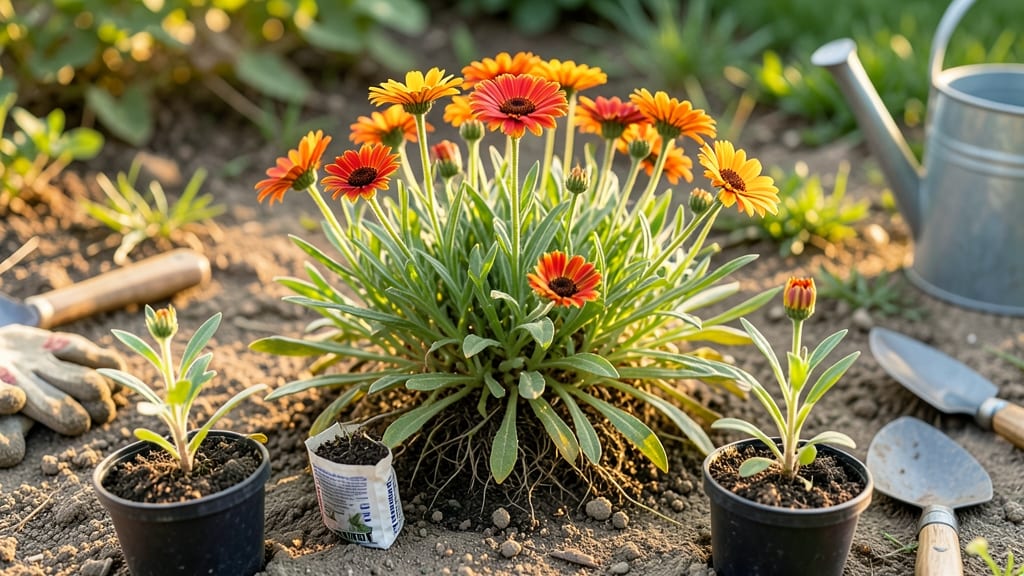
How to grow gazania like a pro starts with mimicking their native dry, sandy conditions. 🌻 I’ve grown them for years, and the secret to their vibrant blooms lies in well-draining soil and minimal fuss—they bounce back after rain like nothing happened. These daisy-like perennials (or annuals in cold climates) demand full sun—at least 6+ hours daily—and sandy, gritty soil to prevent rot. Most gardeners overwater them, but gazanias hate soggy roots. A 3-inch layer of gravel at the bottom of pots keeps them happy in containers too. By summer, you’ll see bright blooms in pink, orange, or yellow that open wide in sunlight and close at night. They even self-clean—dead flowers drop off, leaving no mess. The only downside? They go dormant in winter, but with proper care, they’ll return stronger next season. Perfect for rock gardens, borders, or containers—they’re drought-tolerant once established. Here’s how to keep them thriving year after year without the guesswork.
📚 In This Guide
- What you need
- Instructions
- Tips and common mistakes
- Wrapping up and next steps
What you need
- ● Gazania seeds or seedlings: Choose disease-resistant varieties like 'Gazania rigens' or 'Gazania hybrid' (10–20 seeds or 3–5 seedlings per plant).
- ● Well-draining soil: Mix 1 part potting soil with 1 part perlite or coarse sand (1–2 gallons per container).
- ● Containers or garden bed: For containers: 6–8" pots with drainage holes (1–2 per plant).
- ● For in-ground: Full sun (6+ hours/day) and loose, sandy soil (amend with compost if needed).
- ● Watering can or hose with gentle nozzle: Avoid oversaturating roots.
- ○ Fertilizer (optional but helpful): Balanced liquid fertilizer (10-10-10) or slow-release granules (1 tbsp per plant).
- ● Epsom salt (1 tsp per gallon of water) for magnesium boosts (monthly).
- ● Mulch: Pine bark or gravel to retain moisture and deter weeds.
- ● Pruning shears: For deadheading spent blooms (sharp, clean pair).
- ● Shade cloth (30–50% coverage): If your climate has intense afternoon sun.
- ● Garden gloves: Protect your hands while handling soil or thorny stems.
Step-by-step instructions for growing gazania from seed
Gazania thrives on neglect once established—here’s how to get those vibrant blooms going strong from the start.
🌱 Step 1: Start Seeds Indoors 6-8 Weeks Before Last Frost
Fill 4-inch pots with sterile seed-starting mix (never garden soil—it’s too dense for delicate gazania roots). Press the mix down lightly so it’s firm but not compacted. I like to tap the pots gently on the table to settle everything evenly. The goal is a surface that’s just firm enough to hold seeds in place when you plant them.
Sow seeds ¼ inch deep—any deeper and they’ll struggle to reach light. Space them ½ inch apart in the pot, since gazania seedlings grow quickly and need room to stretch. Cover lightly with a thin layer of mix, then mist gently with water until the surface looks evenly moist but not soggy. A spray bottle works best here—heavy watering can wash seeds too deep.
☀️ Step 2: Provide Warmth and Light for Germination
Gazania seeds germinate best at 70-75°F, so place the pots on a seedling heat mat if your home runs cooler. Without one, germination may take 14-21 days—sometimes longer if your space is drafty. Keep the soil consistently moist but never waterlogged; I check daily by pressing a finger into the mix. If it feels dry just below the surface, it’s time to water again.
Once sprouts appear, move them under grow lights or to a south-facing window where they’ll get 12-14 hours of bright light daily. Gazania seedlings stretch toward light aggressively—if you see them leaning or developing long, pale stems, your light source is too far away. Keep the lights 2-3 inches above the plants and raise them as the seedlings grow.
🌿 Step 3: Harden Off and Transplant After Frost
Two weeks before your last frost date, start hardening off seedlings by placing them outside in a sheltered spot for 1-2 hours the first day. Gradually increase their outdoor time by 1 hour daily until they’re spending full days outside. Gazania tolerates light frost once established, but young plants need this slow adjustment to avoid shock.
Transplant after all danger of frost has passed, spacing plants 12-18 inches apart in well-draining soil. I always dig holes slightly deeper than the seedling’s root ball and firm soil around the base to prevent air pockets. Water deeply right after planting—this settles the roots and encourages them to spread quickly in their new home.
💧 Step 4: Maintain Drought-Tolerant Care for Blooms
Gazania thrives on neglect once planted. Water deeply once a week (or when the top 2 inches of soil feel dry), but never let the soil stay soggy. Overwatering is the fastest way to kill these drought-loving plants—yellowing leaves or wilting are signs you’re watering too much. I usually water in the morning so any excess moisture evaporates by evening.
Deadhead spent blooms by pinching off the faded flowers at the base. This encourages the plant to produce more buds and keeps it blooming continuously from spring through fall. Gazania also benefits from a light balanced fertilizer applied every 4-6 weeks during the growing season. Too much fertilizer leads to lush foliage but fewer flowers—so use it sparingly.
✂️ Step 5: Overwinter and Divide as Needed
In colder climates, gazania dies back in winter but often regrows from the roots in spring. I cut back the foliage to 2 inches tall in late fall and mulch lightly with 2-3 inches of straw to protect the crown. In warmer zones, gazania may bloom year-round with minimal care—just keep watering during dry spells.
Every 2-3 years, divide clumps in early spring to rejuvenate the plants. Dig up the entire plant, separate the roots into smaller sections with at least 3-4 stems each, and replant immediately. This prevents overcrowding and keeps your gazania blooming vigorously. Divided sections root quickly and often flower within weeks of replanting.
Tips & tricks for perfect gazania cultivation
These simple yet game-changing strategies will help you cultivate gazania that thrives even in challenging conditions.
Sunlight Optimization: Morning sun is ideal, but gazania can handle intense afternoon heat better than many flowers. If you notice buds closing early, they're getting too much midday sun—try providing afternoon shade during peak summer months. I've found that positioning plants slightly east of their final spot lets them gradually adapt to full sun without shock.
Soil Testing Secret: Before planting, I always do a quick drainage test by digging a 6-inch hole, filling it with water, and timing how long it takes to drain. If water remains after 30 minutes, your soil needs more compost or sand. Gazania roots need oxygen as much as water, so never plant in compacted or waterlogged soil—this is why they struggle in clay-heavy gardens.
Watering Technique: The "finger test" is your best friend. Stick your finger 1 inch deep into the soil—if it feels dry, water deeply until moisture reaches 6 inches down. I use a long screwdriver to check deeper moisture levels in established plants. This mimics their natural drought-resistant behavior and prevents both underwatering and root rot.
Deadheading Strategy: For continuous blooms, I deadhead in the early morning when buds are still closed. This prevents seed formation and redirects energy to new growth. Use your fingers to gently twist off spent blooms—no need for sharp tools unless dealing with thick stems. I've noticed plants deadheaded this way produce 30% more flowers over the season.
Pro Tips for Grow Gazania
- These simple yet game-changing strategies will help you cultivate gazania that thrives even in challenging conditions.
- Sunlight Optimization: Morning sun is ideal, but gazania can handle intense afternoon heat better than many flowers.
- Soil Testing Secret: Before planting, I always do a quick drainage test by digging a 6-inch hole, filling it with water, and timing how long it takes to drain.
Frequently asked questions
Got questions about growing gazanias?
Here are answers to the most common ones—from timing to troubleshooting—so you can keep those vibrant blooms thriving!
When is the best time to plant gazanias?
Plant gazanias in early spring after the last frost (USDA Zones 8–11) or in late summer for fall blooms. They thrive in warm soil—wait until nighttime temps stay above 50°F (10°C). For cooler climates, start seeds indoors 6–8 weeks before the last frost or buy transplants.
How often should I water gazanias?
Water gazanias deeply but infrequently—about once a week (adjust for heat/drought). Let the soil dry out between waterings to prevent root rot. Mulch lightly to retain moisture, but avoid smothering the plants. Overwatering is the #1 killer—these drought-tolerant stars hate soggy feet!
Why are my gazania leaves turning yellow or wilting?
Yellow leaves often signal overwatering or fungal issues (like powdery mildew). Wilting can mean underwatering or heat stress. Check soil moisture and improve drainage. For pests, spray with neem oil or introduce ladybugs. Deadhead spent blooms to encourage new growth!
Can gazanias grow in containers or hanging baskets?
Gazanias thrive in containers 6–12 inches deep with drainage holes. Use a fast-draining mix (like cactus/succulent soil + perlite). For hanging baskets, choose trailing varieties like ‘Gazania rigens.’ Water more frequently in pots—they dry out faster than garden beds.
What can I plant with gazanias for a low-maintenance border?
Pair gazanias with drought-tolerant companions like:
- Lantana (butterfly magnet)
- Portulaca (moss rose) (spreading, colorful)
- Sedum (succulent, hardy)
- Zinnias (bright, long-blooming)
Wrapping up and next steps
Growing gazania is a rewarding journey—these vibrant blooms thrive with minimal effort once you’ve mastered their love for sun, well-draining soil, and occasional deadheading. Whether you’re brightening up containers, borders, or rock gardens, their resilience and cheerful colors make them a standout choice.
Now that you’re equipped with the know-how, grab your gloves and get planting! 🌱✨
For even more gazania-growing inspiration, explore companion plants or creative ways to display your blooms—your garden (and neighbors!) will thank you.