
Size
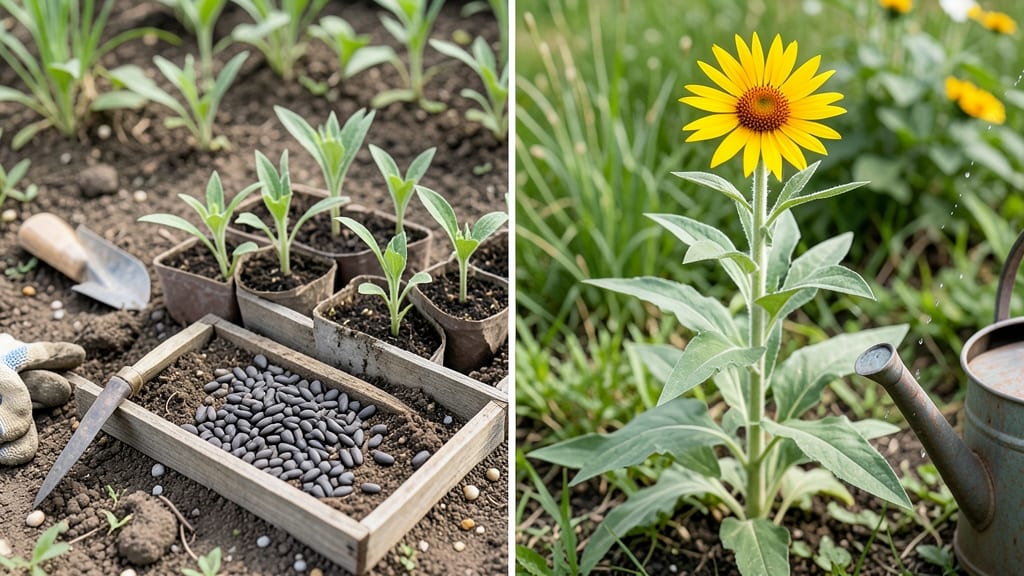
How to grow safflower from seed is easier than you think—and those bold orange blooms make every effort worth it. 🌻 I planted my first batch last spring, expecting just pretty flowers, but ended up with both stunning cut blooms and seeds for oil. The key? Sun, patience, and the right soil prep.
Safflowers thrive in full sun (6+ hours daily) and well-draining soil, but they’re surprisingly low-maintenance.
Start seeds indoors 4-6 weeks before your last frost, or sow directly after soil warms to 60°F. Thin seedlings to 12-18 inches apart—they don’t like crowding, but they do love space to stretch their striking stems.
Water deeply once a week (more in extreme heat), and watch as those sunburst blooms emerge in just 8-10 weeks. The flowers are stunning in bouquets, but the seeds? Rich in oil and perfect for cooking or skincare. One plant gives you both beauty and utility—no compromise needed.
Fair warning: Safflowers bolt quickly in hot climates, so harvest seeds before they scatter. And if slugs become a problem (they love young seedlings), try a beer trap or diatomaceous earth. With minimal effort, you’ll have a garden that’s as productive as it is pretty.
📚 In This Guide
- What you need
- Instructions
- Tips and common mistakes
- Wrapping up and next steps
What you need
- ● Safflower seeds: Choose high-quality, non-GMO seeds (approximately 100–200 seeds per 10 sq ft, depending on spacing). Varieties like ‘Golden’ or ‘Red’ are popular.
- ● Well-draining soil: Safflowers thrive in loamy, slightly alkaline soil (pH 6.0–7.5). Amend heavy clay with compost or sand.
- ● Sunlight: A full-sun location (6+ hours of direct sunlight daily) is non-negotiable!
- ● Water: Consistent moisture (especially during germination), but avoid waterlogging.
- ○ Fertilizer (optional but helpful): Balanced 10-10-10 or 5-10-10 fertilizer at planting (follow label rates).
- ● Low-nitrogen fertilizer (e.g., 0-10-10) mid-season to encourage blooms.
- ● Garden trowel or transplanter (for sowing seeds).
- ● Hoe or cultivator (to loosen soil and remove weeds).
- ● Watering can or hose with a gentle spray nozzle (to avoid disturbing seeds).
- ○ Garden stakes or trellis (optional): Useful if growing ‘tall’ varieties (4–5 ft) for support.
- ● Pruners or scissors (for harvesting blooms or deadheading).
- ○ Gloves (optional): Protects hands from prickly stems (especially in mature plants).
- ● Last frost date: Safflowers are frost-sensitive—wait until after the last frost to plant (or start indoors 4–6 weeks early in cool climates).
- ● Spacing: Short varieties: 12–18 inches apart in rows 18–24 inches apart.
- ● Tall varieties: 18–24 inches apart in rows 24–30 inches apart.
- ● Germination time: 7–14 days (keep soil consistently moist until sprouts appear).
Step-by-step instructions for growing safflower from seed
Here's how I grow safflower from seed every spring—bold, drought-tolerant blooms with minimal fuss.
🌱 Step 1: Prepare Seeds and Planting Site
Safflower thrives in warm soil, so I wait until after the last frost date when nighttime temperatures stay above 50°F. The seeds have a hard outer coating, so I soak them in warm water for 12 hours to soften it—this speeds up germination dramatically. After soaking, drain them and let them dry slightly before planting.
Choose a location with full sun exposure (at least 6-8 hours daily) and well-draining soil. Safflower hates soggy roots, so if your soil is heavy clay, mix in 2-3 inches of compost to improve drainage. Work the soil to a depth of 6-8 inches, breaking up any compacted layers.
🌱 Step 2: Sow Seeds at the Right Depth and Spacing
Plant seeds ½ inch deep and 12-18 inches apart—they need plenty of room to develop their striking, daisy-like blooms. I use a small hand trowel to make individual holes, then place 1-2 seeds per hole (the extra gives you a backup if one fails to germinate). Cover lightly with soil and water gently but thoroughly to settle the seeds.
Here's the thing—safflower seeds germinate best in warm soil. If your spring is cool, consider using a seedling heat mat or covering the bed with black plastic mulch for 2-3 weeks to raise soil temperature. You'll see sprouts in 7-14 days once conditions are right.
☀️ Step 3: Maintain Water and Light Requirements
Once seedlings emerge, water deeply 1-2 times per week, aiming for 1 inch of water per week. Safflower is remarkably drought-tolerant, but consistent moisture during the first 4-6 weeks ensures strong root development. Water at the base of the plant in the morning to prevent fungal diseases that thrive in damp foliage.
These plants love heat and light. If you notice stems stretching toward the sun or leaves losing their vibrant green color, your plants need more light. Safflower can handle full sun exposure, so don't be afraid to let them bask—just monitor for wilting in extreme heat. Mulch around the base with 2-3 inches of straw or wood chips to retain moisture and regulate soil temperature.
✂️ Step 4: Prune and Support for Strong Blooms
As the plants grow, you'll want to remove any lower leaves that touch the soil to prevent disease. I also pinch back the main stem when it reaches 12-18 inches tall to encourage bushier growth. This isn't mandatory, but it results in more abundant blooms. Use clean, sharp pruners to avoid damaging the stems.
Safflower stems can get quite tall (up to 5 feet in some varieties), so I stake taller varieties with 4-5 foot bamboo stakes or use a small tomato cage for support. Tie stems loosely with soft garden twine to prevent breakage. Once buds form, you'll see the classic orange, thistle-like flowers emerge in 8-12 weeks from planting.
🌿 Step 5: Harvest and Prepare for Next Season
Harvest safflower when the flower heads are fully open but before the petals begin to fade. Cut the entire stem with 6-12 inches of stem attached and hang upside down in a dry, dark place for 1-2 weeks to fully dry. Once dry, remove the petals and store them in an airtight container away from light.
After flowering, the plants will produce seed heads. Leave some on the plant to dry and collect seeds for next year's garden. Safflower is an annual, so it won't return unless you replant. I always save a portion of the seeds—just store them in a cool, dry place until spring. With proper care, you'll have a stunning display of bold orange blooms that attract pollinators all season long.
Tips & tricks for growing safflower from seed
These pro-level strategies will help you coax vibrant safflower blooms from stubborn seeds—even if you're new to gardening.
Soaking Secret: That 12-hour soak isn't just about softening the seed coat—it's a germination game-changer. Use warm (not hot) water and place the container in a dark spot. After draining, let seeds air-dry for 30 minutes before planting. This prevents mold while maximizing moisture absorption. I've found that pre-soaked seeds sprout 2-3 days faster than dry ones in my cooler spring climate.
Temperature Matters: The 50°F nighttime minimum is non-negotiable for reliable germination. If your spring is chilly, create a microclimate by planting in a raised bed or using black plastic mulch for 2-3 weeks. I once planted too early in 45°F soil and waited 21 days for sprouts—double the normal time. A seedling heat mat under the bed can add 5-10°F to soil temperature, making all the difference in marginal conditions.
Spacing Strategy: That 12-18 inch spacing might seem generous, but safflower needs room to develop its striking 4-5 foot stems. For smaller varieties, you can reduce spacing to 10-12 inches, but don't crowd them—competition for sunlight leads to leggy, weak stems. I mark planting spots with small wooden stakes to avoid overcrowding, especially when working with multiple varieties.
Harvest Timing: The 1-2 week drying period is crucial for preserving petal color and preventing mold. I hang stems upside down in my garage (not the kitchen—humidity matters!) with a fan running gently to circulate air. For larger batches, I use a drying rack with mesh bags to contain petals while allowing airflow. Harvest too early and you'll get faded blooms; wait too long and petals may crumble when handled.
Pro Tips for Grow Safflower
- These pro-level strategies will help you coax vibrant safflower blooms from stubborn seeds—even if you're new to gard...
- Soaking Secret: That 12-hour soak isn't just about softening the seed coat—it's a germination game-changer. Use warm ...
- Temperature Matters: The 50°F nighttime minimum is non-negotiable for reliable germination. If your spring is chilly,...
Frequently asked questions
Got questions about growing safflower? You’re not alone! Here are answers to the most common queries—from timing to troubleshooting—to help your garden bloom with confidence.
How long does it take for safflower plants to grow from seed to flower?
Safflowers are fast growers! From seed to vibrant orange blooms, expect 80–100 days in warm climates. In cooler regions, they may take slightly longer (up to 120 days). Start seeds indoors 4–6 weeks before your last frost for a head start, or sow directly after soil temps hit 50°F (10°C).
Can safflowers grow in containers, or do they need a garden bed?
Yes! Safflowers thrive in containers if given enough space. Choose a pot at least 12–18 inches deep and wide, with drainage holes. Use well-draining potting mix and place in full sun. Just be prepared to harvest flowers earlier (they may not grow as tall in containers).
Why are my safflower leaves turning yellow, and how do I fix it?
Yellowing leaves often signal overwatering or nutrient deficiencies. Safflowers prefer dry, well-drained soil—let the top inch dry out between waterings. If soil is soggy, improve drainage or move pots to a sunnier spot. For nutrients, feed with a balanced fertilizer (10-10-10) every 4–6 weeks during growth.
Do safflowers attract pests, and how do I keep them away?
Safflowers are generally pest-resistant, but aphids or spider mites may appear in dry conditions. Spray plants with a hose to dislodge pests, or use neem oil as a natural deterrent. Encourage beneficial insects like ladybugs by planting companion flowers like marigolds nearby.
Can I save safflower seeds for next year, or do I need to buy new ones?
Safflower seeds are easy to save. Let some flowers mature fully, then harvest the seed heads once they turn brown and dry. Rub the heads to release seeds, clean them, and store in a cool, dry place for up to 3 years. Just
Wrapping up and next steps
Growing safflower is a rewarding journey—whether you’re drawn to their striking orange blooms, nutrient-rich seeds, or the joy of nurturing a low-maintenance plant. With the right sunlight, soil, and spacing, you’ll soon enjoy their beauty and harvest potential.
Don’t let small challenges discourage you; even beginners can thrive with patience and care!
Ready to take the next step? Start small—plant a few seeds in a sunny patch of your garden or a container—and watch your safflower garden flourish! 🌻