
Propagation
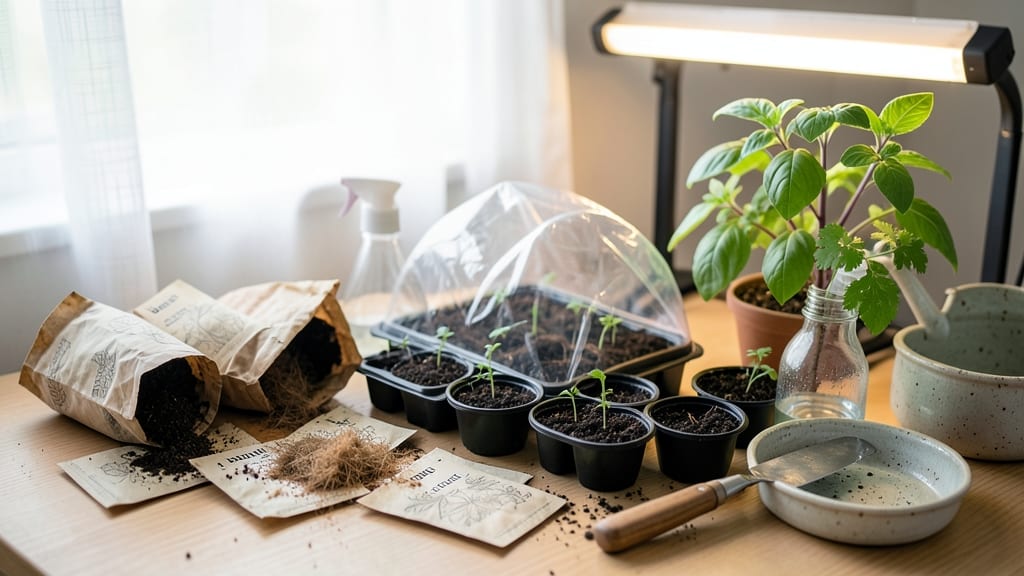
How to grow herbs from seeds in pots is the easiest way to get fresh flavors year-round—no garden required. 🌱 I’ve turned my kitchen windowsill into a mini herb farm, and the secret isn’t fancy equipment but matching the right herbs to your space and light. Basil, parsley, and cilantro thrive in pots, while mint spreads like crazy (so give it its own container).
The key is starting small: 3-4 inch pots for single herbs, 5-6 inches for heavy growers like mint, and soil that drains fast—herbs hate soggy roots. Plant seeds just below the surface (¼ inch deep), water lightly, and keep them warm until sprouts appear.
Most herbs germinate in 5-14 days, but patience is key—don’t drown them while waiting.
By week 4, you’ll be snipping fresh basil for pesto or parsley for garnishes, all grown in pots you can move to follow the sun. The smell alone makes the effort worth it, and you’ll save money compared to store-bought bundles that wilt in days.
Even my black thumb can’t kill these.
Works for any sunny spot—balcony, kitchen, or office—so long as you give them 4-6 hours of light daily. Troubleshoot slow growth? Check your watering (too much is worse than too little) or move the pots closer to the window. Let’s get those seeds sprouting!
📚 In This Guide
- What you need
- Instructions
- Tips and common mistakes
- Wrapping up and next steps
What you need
Growing herbs from seeds in pots is easier than you think—just grab these essentials and let nature do the rest! 🌱 Whether you're a beginner or a seasoned green thumb, having the right tools and materials will set you up for success. Here’s your sunny windowsill starter kit
Step-by-step instructions for growing herbs from seeds in pots
Here's how to turn tiny seeds into thriving herbs right on your windowsill—no greenhouse needed.
🌱 Step 1: Prepare Your Pots and Soil Mix
Start with 4-inch diameter pots—they're perfect for single herb plants and give roots room to spread. Fill each pot ¾ full with a mix of 2 parts potting soil and 1 part perlite. This blend drains well but holds enough moisture for delicate seedlings. I like to moisten the mix first with a spray bottle until it feels like a damp sponge—no puddles, just even dampness.
Gently press the soil down with your fingers to remove air pockets, but don't pack it too tightly. The goal is a light, fluffy texture that lets roots grow easily. If you're using the same pot for multiple herbs, label each one with a toothpick and marker—basil and parsley look identical until they sprout!
🌱 Step 2: Plant the Seeds Correctly
Check the seed packet for depth—most herbs like basil, parsley, and chives need to be planted ¼ inch deep. Use your finger or a pencil to poke small holes, then drop 2-3 seeds per pot. Planting extra gives you backup seedlings if some don't germinate. Cover them lightly with soil, then mist the surface with water until it looks evenly moist.
Here's the thing—don't bury seeds too deep. If they're planted deeper than ½ inch, they may never sprout because they won't have enough energy to reach the light. Place the pots in a warm spot (70-75°F) and cover them loosely with plastic wrap or a humidity dome. This keeps moisture in while the seeds germinate.
☀️ Step 3: Provide the Right Light and Water
Herb seeds need bright, indirect light to germinate—place your pots near a south-facing window where they'll get at least 6 hours of sunlight daily. If your window isn't sunny enough, supplement with a grow light kept 4-6 inches above the pots. You'll know the light is working when seedlings grow sturdy and dark green instead of stretchy and pale.
Water gently from the bottom by placing pots in ½ inch of water for 10-15 minutes. This prevents washing away seeds and keeps the soil evenly moist. Once seedlings appear (5-14 days later), water only when the top inch of soil feels dry—overwatering is the #1 killer of young herbs.
🌿 Step 4: Thin and Care for Seedlings
When seedlings have 2-3 true leaves (not the first tiny leaves), thin them so only the strongest plant per pot remains. Use scissors to snip unwanted seedlings at soil level—this prevents disturbing roots. Keep the remaining plant well-spaced in its pot; herbs like basil and parsley need at least 6 inches of room to grow.
Rotate pots ¼ turn daily so plants grow straight toward the light. If you notice leaves turning yellow or growing leggy (too tall and thin), move the pot closer to the light. Herbs need 4-6 hours of direct sun to stay healthy—without it, they'll taste weak and bitter.
✂️ Step 5: Harvest and Maintain Your Herbs
Start harvesting basil and parsley when they reach 3-4 inches tall—pinch off the top set of leaves to encourage bushier growth. For chives and thyme, wait until they're 4-6 inches tall before cutting. Always harvest in the morning after dew has dried, when oils are at their peak flavor.
Fertilize lightly every 4-6 weeks with a balanced liquid fertilizer (like 10-10-10) mixed to half-strength. Too much fertilizer makes herbs grow fast but lose flavor. If your herbs flower, snip off the buds immediately—herbs put all their energy into blooms, leaving leaves bitter and tough.
Tips & tricks for growing herbs from seeds in pots
Here's what I've learned after growing herbs on my windowsill for years—these little tricks make all the difference between wimpy seedlings and robust, flavorful plants.
Soil Mix Secret: The 2 parts potting soil to 1 part perlite ratio is perfect, but here's the real trick: add a handful of worm castings to each pot before planting. This gives your seedlings a nutrient boost right from the start. If you don't have worm castings, compost works too—just mix in a spoonful. The key is to keep that soil loose and airy while still holding moisture.
Light Position Strategy: For those 6 hours of daily sunlight, place your pots on the warmest windowsill in your home—usually the one that gets the most direct sun. If you're using a grow light, position it so it's just 4-6 inches above the pots and leave it on for 12-14 hours a day. I've found that herbs grow best with this extended light exposure, especially in winter months when natural light is limited.
Watering Wisdom: That 10-15 minute bottom-watering technique is brilliant, but here's how to do it perfectly: place your pot in a shallow tray or dish with about ½ inch of water. Let it soak up moisture for exactly 10 minutes, then remove it and let it drain completely. This prevents waterlogging while ensuring roots get properly hydrated. After seedlings appear, stick your finger in the soil—if the top inch feels dry, that's your cue to water again.
Harvesting Hack: When you're ready to harvest basil and parsley at 3-4 inches tall, here's a pro move: cut just above a leaf node (where leaves meet the stem). This encourages the plant to branch out and grow bushier. For chives and thyme, wait until they're 4-6 inches tall and cut back about one-third of the plant to promote new growth. Always harvest in the morning after dew has dried—this is when the essential oils are at their peak flavor intensity.
Pro Tips for Grow Herbs From Seeds In Pots
- Here's what I've learned after growing herbs on my windowsill for years—these little tricks make all the difference between wimpy seedlings and robust, flavorful plants.
- Soil Mix Secret: The 2 parts potting soil to 1 part perlite ratio is perfect, but here's the real trick: add a handful of worm castings to each pot before planting.
- Light Position Strategy: For those 6 hours of daily sunlight, place your pots on the warmest windowsill in your home—usually the one that gets the most direct sun.
Frequently asked questions
Got questions about growing herbs from seeds in pots? You’re not alone—let’s tackle the most common ones! Whether you’re a beginner or just need a quick refresher, these answers will help you cultivate a thriving indoor herb garden with confidence.
How long does it take for herb seeds to germinate?
Germination time varies by herb! Fast growers like cilantro and basil sprout in 5–14 days, while slower ones like rosemary or thyme may take 2–4 weeks. Keep soil consistently moist (not soggy) and warm (70–75°F) to speed things up. Patience is key—some seeds need light to germinate, so don’t bury them too deep!
What’s the best temperature for growing herbs indoors?
Most herbs thrive in 65–75°F (18–24°C) during the day, with a 10°F (5°C) drop at night to mimic outdoor conditions. Avoid drafts (like AC vents) or cold windowsills in winter. A grow light can help if your spot is too dim—just keep it 6–12 inches above plants for 12–16 hours/day.
Can I reuse pots from last year’s herbs?
Yes, but sterilize them first! Scrub pots with hot, soapy water, then sanitize with a 10% bleach solution (1 part bleach to 9 parts water) or baking soda. Rinse thoroughly to remove residue. Avoid reused pots if last year’s herbs had disease—it’s safer to start fresh with clean containers.
Why are my herb seedlings turning yellow or leggy?
Yellow leaves often mean overwatering (check soil moisture!) or nutrient deficiency (use a balanced fertilizer). Leggy seedlings? They’re stretching for light—move pots to a sunnier spot or add a grow light. Thin crowded seedlings too; they need space to breathe (aim for 2–3 inches between plants).
What’s the easiest herb to grow from seed for beginners?
Start with basil, cilantro, or parsley—they’re fast-growing, forgiving, and delicious! Basil germinates in 7–10 days and loves warmth, while cilantro handles cooler temps better. Avoid rosemary or oregano first; they’re slower and need more patience. Pro tip: Harvest leaves regularly to encourage bushier growth!
Wrapping up and next steps
Growing herbs from seeds in pots is a rewarding journey that brings fresh flavors and vibrant greens right to your kitchen! With the right containers, soil, and a little patience, you’ll soon enjoy homegrown basil, mint, or parsley—no green thumb required. 🌱
Now that you’re ready to start, why not expand your herb garden? Try growing a few more varieties or even experiment with succession planting to keep your windowsill productive year-round. Happy growing!