Picking
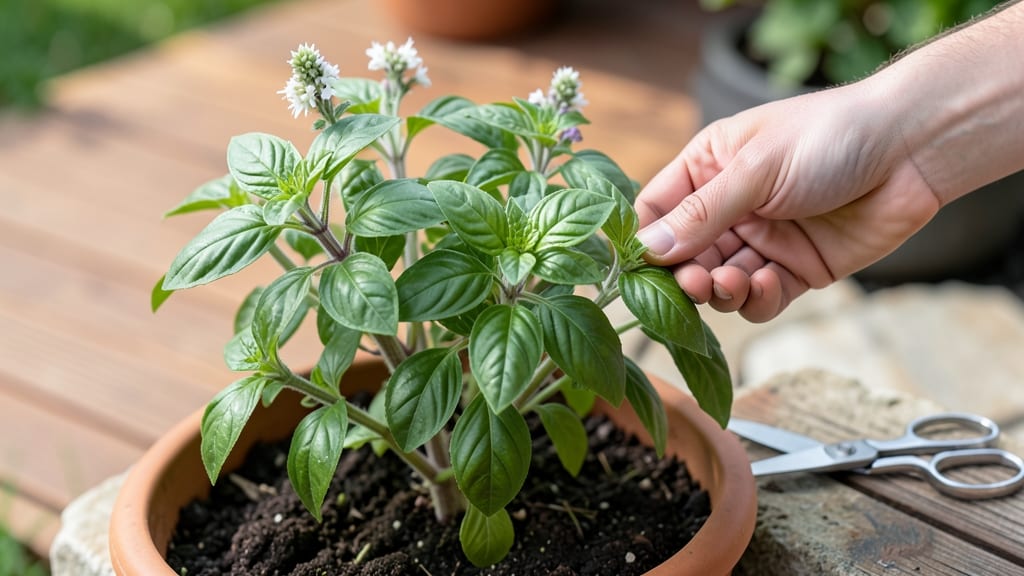
How to grow and harvest basil from seed to pesto bowl takes just 60 days—and the secret starts with light. 🌱 My first batch failed because I trusted my dim kitchen window, but basil demands 6+ hours of direct sun daily (or a grow light). Skip the shade, and you’ll end up with leggy, flavorless stems instead of the fragrant, bushy plants you crave.
You’ll need 3 simple supplies: a 4-inch pot or seed tray, well-draining potting mix, and a sunny spot. Basil hates soggy roots, so use containers with drainage holes and water only when the top inch feels dry.
After germination (about 7-14 days), thin seedlings to 2-3 inches apart—they’ll compete for light otherwise.
Pruning is where the magic happens. Pinch off the top set of leaves when plants hit 6 inches tall, and you’ll trigger bushier growth. Harvest regularly by snipping just above a leaf pair, and your plants will keep producing all season.
The flavor? Bright, sweet, and perfect for pesto—nothing like the bitter grocery-store variety.
Cold weather is basil’s kryptonite, so bring potted plants indoors before 50°F nights. Even a brief frost will turn leaves black. But with the right setup, you’ll harvest enough for fresh pesto, sandwiches, and sauces—no store-bought basil in sight.
📚 In This Guide
- What you need
- Instructions
- Tips and common mistakes
- Wrapping up and next steps
What you need
- ● Basil seeds or seedlings: Choose sweet basil, Genovese, or Thai basil. Quantity: 10–20 seeds (or 2–3 seedlings for faster results).
- ● Containers: 6–12-inch pots with drainage holes (or a raised bed if planting outdoors). Quantity: 1–2 per plant.
- ● Potting mix: Well-draining, organic soil (avoid garden soil—it’s too dense!). Quantity: 1–2 bags (1–2 cubic feet).
- ● Watering can or spray bottle: For gentle hydration (no soggy roots!).
- ● Sunlight access: 6+ hours of direct sunlight daily (south-facing window or grow lights).
- ○ Fertilizer (optional but helpful): Balanced liquid fertilizer (10-10-10) or compost tea. Quantity: 1–2 applications per month.
- ● Pruning shears: Sharp scissors for harvesting (sterilize with rubbing alcohol!).
- ○ Glove (optional): To protect hands from soil or thorns (if using woody basil varieties).
- ○ Mulch (optional): Straw or shredded leaves to retain moisture.
- ○ Trellis (optional): For bushier growth (basil can get leggy!).
Step-by-Step instructions for growing and harvesting basil
Here's how to coax those fragrant, pesto-worthy basil plants from seed to harvest in just two months.
🌱 Step 1: Start Seeds Indoors for Early Growth
Fill small seed-starting trays with moistened seed-starting mix—keep it damp but not soggy. Press seeds just below the surface (about ¼ inch deep) since basil seeds need light to germinate. I like to use a toothpick to make tiny holes and drop one seed per spot. Cover lightly with additional mix, then mist gently with water.
Place trays in a warm spot (around 70-75°F) under a grow light or in bright indirect light. Germination takes 7-14 days, so be patient—you'll know it's working when tiny green sprouts push through the soil. Keep the soil consistently moist but never waterlogged; basil seedlings wilt fast when too dry.
☀️ Step 2: Transplant Seedlings to Larger Containers
Once seedlings show 2-3 true leaves (not just the initial seed leaves), it's time to transplant. Choose 6-inch pots with drainage holes—basil roots need room to spread. Fill pots halfway with fresh potting mix, then gently remove seedlings by their leaves (not stems) and place them in the new containers.
Fill around the roots with more mix, pressing lightly to eliminate air pockets. Water thoroughly until water runs from the drainage holes. Place pots in a sunny window or under grow lights for 12-14 hours daily. You'll see new growth within a week—that's your signal everything is working.
💧 Step 3: Maintain Ideal Conditions for Healthy Growth
Basil thrives in full sun (6+ hours daily) and 60-75°F temperatures. If your plants stretch toward the light with pale stems, they're not getting enough sun—move them closer to the window or supplement with a grow light. Water when the top 1 inch of soil feels dry, but avoid soggy soil to prevent root rot.
Fertilize lightly every 3-4 weeks with a balanced liquid fertilizer (10-10-10) diluted to half strength. I use a spray bottle to apply it directly to the soil, avoiding the leaves. Pinch off any flowers that form—basil puts energy into blooms instead of leaves, and you want those big, flavorful leaves for pesto.
✂️ Step 4: Harvest Strategically for Continuous Production
Harvest basil when plants reach 6-8 inches tall by snipping the top set of leaves with clean scissors. Always cut just above a leaf node (where leaves meet the stem) to encourage new growth. This method keeps plants bushy and productive—you'll get multiple harvests from a single plant.
Harvest in the morning after dew has dried but before the sun peaks. The leaves will be most fragrant and flavorful. After each harvest, give plants a light drink of water to replenish moisture lost during cutting. If you see yellowing leaves, it's often a sign of overwatering or too much shade—adjust your care routine accordingly.
🌿 Step 5: Extend the Season with Proper Care
To keep basil producing through summer, watch for pests like aphids or whiteflies. Blast them off with a strong spray of water or use insecticidal soap if needed. If your plants bolt (send up flowers) too early, move them to a cooler spot and harvest more aggressively to delay flowering.
When temperatures rise above 85°F, basil may go dormant. Provide afternoon shade and increase watering frequency to keep plants happy. With proper care, you'll have fresh basil for pesto all season long—just keep harvesting and your plants will keep growing.
Tips & tricks for perfect basil growth
Real talk: Growing basil from seed to harvest takes patience, but these tricks will help you avoid the most common pitfalls and grow pesto-worthy plants faster.
Light Matters: Basil seeds need light to germinate, so avoid pressing them too deep—just ¼ inch below the surface is perfect. If you're using seed-starting trays without clear lids, place a sheet of plastic wrap over them to retain moisture while still allowing light through. This creates the ideal humid environment for germination without smothering your seeds.
Transplanting Technique: When moving seedlings to 6-inch pots in Step 2, handle them by their leaves—not the delicate stems—to avoid damaging the roots. Gently squeeze the base of the pot to loosen the soil, then slide the seedling out rather than pulling it. This minimizes root disturbance and helps plants establish faster in their new containers.
Harvesting Hack: Always harvest basil in the morning when essential oils are at their peak. Use clean scissors to cut just above a leaf node (where leaves meet the stem), and make your cuts at a 45-degree angle. This prevents water from pooling on the leaves and encourages bushier growth. The first harvest triggers more branching, so don't wait until the plant is overgrown.
Temperature Watch: Basil thrives between 60-75°F, but if your kitchen or greenhouse exceeds 85°F, provide afternoon shade to prevent bolting. I've found that moving plants to a cooler spot (like a basement with a sunny window) during heatwaves can extend the harvest season by weeks—just monitor for pests that might move indoors with your plants.
Pro Tips for Grow And Harvest Basil
- Real talk: Growing basil from seed to harvest takes patience, but these tricks will help you avoid the most common pi...
- Light Matters: Basil seeds need light to germinate, so avoid pressing them too deep—just ¼ inch below the surface is ...
- Transplanting Technique: When moving seedlings to 6-inch pots in Step 2, handle them by their leaves—not the delicate...
Frequently asked questions
Got questions about growing and harvesting basil? You're not alone! Here are some of the most common queries—and their answers—to help you cultivate a thriving basil garden with ease.
How often should I water my basil plants?
Basil loves moisture but hates soggy roots. Water deeply when the top inch of soil feels dry—usually every 2–3 days in hot weather. If the soil stays damp for more than a day, reduce watering to avoid root rot. Pro tip: Use a saucer under pots to catch excess water!
When is the best time to harvest basil?
Harvest basil before it flowers for the best flavor! Pinch off leaves when they’re 4–6 inches tall (or when you need them for recipes). For continuous growth, harvest regularly—every few weeks—rather than all at once. Morning harvests yield the freshest, most aromatic leaves.
Can I grow basil indoors without sunlight?
Basil needs at least 6–8 hours of sunlight daily, but if natural light is scarce, supplement with a grow light 12–14 hours a day. South-facing windows work best, but rotate your plant weekly for even growth. Low light? Expect slower growth and milder flavor—so keep it near a bright spot!
Why are my basil leaves turning yellow or spotted?
Yellowing leaves often signal overwatering or fungal issues (like downy mildew). Check for:
- Brown spots: Fungal infection—improve airflow and avoid wet foliage.
- Yellow edges: Underwatering or nutrient deficiency (try a balanced fertilizer).
- Curling leaves: Pests (like aphids) or heat stress—spray with soapy water or move to shade.
How do I save basil from bolting (flowering too soon)?
Bolting (premature flowering) happens when basil gets too hot or stressed. To delay it:
- Harvest leaves frequently to encourage bushier growth.
- Keep soil consistently moist (but not soggy).
- Use shade cloth (30–50%) if temps exceed 85°F (29°C).
- Avoid planting in late summer—opt for cooler spring or fall seasons.
Wrapping up and next steps
Growing and harvesting basil is a rewarding journey that brings fresh, fragrant leaves straight to your kitchen—perfect for pesto, pasta, or salads! 🌿 With the right sunlight, soil, and care, you’ll enjoy a thriving basil plant in just 60 days.
Whether you’re a beginner or a seasoned gardener, these steps make it simple to cultivate a bountiful harvest.
Now that you’re ready to grow your own, take the next step: grab your seeds, find a sunny spot, and start planting! Your first batch of homegrown basil is just weeks away—happy gardening! 🌱