
Size
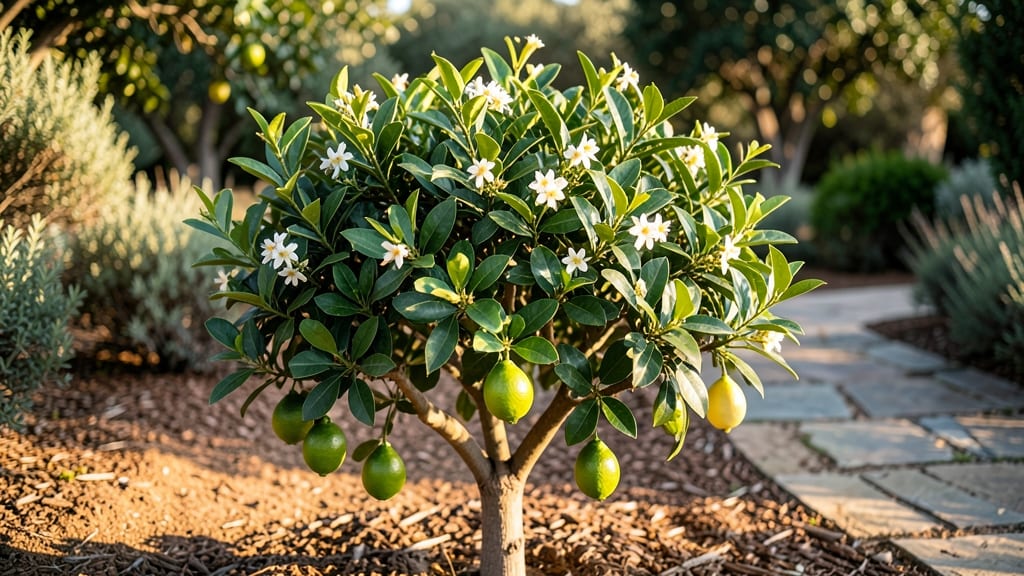
How to grow a Mexican lime tree indoors means zesty fruit year-round. 🌱 I’ve turned my kitchen balcony into a citrus grove with just one plant—no greenhouse needed. The secret lies in mimicking its tropical home with light, warmth, and the right container. Start with a 10-15 gallon pot (they grow fast!) and well-draining soil mixed with perlite. Place it where it gets 6+ hours of sunlight daily—south-facing windows or grow lights work. Water when the top inch of soil feels dry, but avoid soggy roots. Frost? Bring it inside immediately—these trees are tropical through and through. By summer, you’ll be harvesting bright green limes that taste sweeter than store-bought. The tree stays compact enough for patios but produces dozens of fruits per season. Prune lightly after harvest to encourage bushier growth, and watch for aphids (spray with soapy water if needed). Works in apartments, porches, or greenhouses. Here’s how to keep yours thriving all year—no citrus orchard required!
📚 In This Guide
- What you need
- Instructions
- Tips and common mistakes
- Wrapping up and next steps
What you need
- ● Mexican lime tree seedling or grafted plant (available at nurseries or online; choose a 1-3 gallon container size for best results).
- ● Well-draining potting mix (cactus/succulent mix or a blend of 50% potting soil + 50% perlite/sand). Quantity: Enough to fill your container (1-5 gallons, depending on plant size).
- ● Container with drainage holes (5+ gallons for mature trees; 1-gallon pots for seedlings). Material: Terracotta or plastic (terracotta helps regulate moisture).
- ● Slow-release fertilizer (balanced 10-10-10 or citrus-specific formula). Quantity: 1 tbsp per gallon of soil.
- ● Watering can or hose with gentle spray nozzle (avoid overwatering!).
- ● Pruning shears (sterilized, for shaping and harvesting).
- ● Grow lights or sunny windowsill (if indoors; 6+ hours of bright light daily).
- ● Humidity tray or pebble tray (to maintain 40-60% humidity, especially indoors).
- ● Citrus food supplement (monthly liquid feed during growing season).
- ● Mulch (straw or bark) (for outdoor plants to retain moisture).
- ● Support stake or trellis (if growing in windy areas or indoors).
- ● Climate: USDA Zones 9-11 (outdoors) or consistent warmth (60°F+ indoors).
- ● Space: 6+ feet tall/wide at maturity (plan for container size + growth).
- ● Time: 1-2 years for first harvest (patience is key! 🍋✨).
Step-by-step instructions for growing Mexican lime trees in containers
Here's how I've grown thriving Mexican lime trees indoors—no greenhouse needed.
🌱 Step 1: Choose the Right Container and Soil Mix
Start with a 5-gallon pot or larger—Mexican lime trees need room for their roots to spread. Make sure it has drainage holes at the bottom, or drill them yourself. I use well-draining cactus/succulent mix combined with 20% perlite to prevent soggy soil, which these trees hate.
Fill the pot about ⅓ full with your mix, then tap it gently to settle. The goal is loose, airy soil that lets water drain quickly but still holds enough moisture for the roots. Avoid garden soil—it compacts and suffocates the roots.
🌿 Step 2: Plant Your Mexican Lime Tree
Remove the tree from its nursery pot and gently loosen the roots if they're circling. Place it in the center of your prepared container and fill in around the base with more soil mix, pressing lightly to eliminate air pockets. The top of the root ball should sit 1 inch below the pot's rim—this prevents water from spilling over during irrigation.
Water thoroughly until water runs out the drainage holes. You'll know it's enough when the soil feels evenly moist but not waterlogged. Let it drain completely before placing it in its permanent spot.
☀️ Step 3: Position for Bright, Indirect Light
Mexican lime trees crave bright, indirect light—think 6+ hours daily near a south- or west-facing window. If your tree starts to grow toward the light (leggy stems, sparse leaves), it's not getting enough. I supplement with a grow light for 12-14 hours a day during winter when natural light fades.
Rotate the pot a quarter turn weekly so the tree grows evenly. You'll notice new growth forming all around instead of just on one side. Avoid direct midday sun, which can scorch the leaves—look for light yellowing or crispy edges as warning signs.
💧 Step 4: Water and Fertilize for Healthy Growth
Water when the top 1-2 inches of soil feel dry—stick your finger in to check. Overwatering is the #1 killer of container-grown lime trees. I water deeply until it drains from the bottom, then empty the saucer to prevent root rot. During winter, cut back to every 10-14 days since growth slows.
Feed with a balanced liquid fertilizer (10-10-10) every 4-6 weeks during spring and summer. Reduce to every 8-10 weeks in fall and winter. You'll see darker green leaves and new growth as signs it's working. Flush the soil with water after fertilizing to prevent salt buildup.
✂️ Step 5: Prune and Maintain Year-Round
Prune in late winter or early spring before new growth starts. Remove any dead, diseased, or crossing branches with clean, sharp pruners. I also trim back leggy growth to encourage bushier shape—cut just above a leaf node where new branches form.
Watch for pests like spider mites (tiny webs on leaves) or scale insects (brown bumps on stems). Treat with neem oil spray if you spot them early. Dust the leaves occasionally with a damp cloth to keep them clean—this helps the tree absorb more light.
Tips & tricks for perfect container-grown Mexican lime trees
Growing these tropical beauties indoors takes a few key tricks to keep them thriving year-round.
Container Size Matters: That 5-gallon pot isn't just a suggestion—it's non-negotiable for the first year. Mexican lime trees grow surprisingly fast, and their roots will quickly outgrow smaller containers. If you're tempted to start smaller, plan to upgrade within 6 months. I've seen trees in 3-gallon pots struggle with stunted growth and yellowing leaves within just 3 months.
Soil Mix Secrets: The cactus/succulent mix with 20% perlite isn't just about drainage—it's about aeration. Pack the soil too tightly when filling your pot, and you'll create pockets where water pools, leading to root rot. Instead, tap the pot gently as you fill it to settle the mix naturally. Think "fluffy cloud" texture, not compacted dirt.
Light Rotation Strategy: That quarter-turn weekly rotation in Step 3 isn't just about looks—it's about survival. Without rotation, your tree will grow lopsided, with stems stretching toward the light source. I mark my pots with a pencil dot to track rotation direction, and I've found that trees rotated this way develop stronger, more compact growth patterns that produce more fruit.
Winter Care Upgrade: The 12-14 hours of grow light during winter is your secret weapon for keeping your tree productive. Most people assume their lime tree will go dormant, but with proper light supplementation, mine continues producing new growth and even occasional fruit. Position the light just 6-12 inches above the tree for optimal results—closer than that can burn the leaves.
Pro Tips for Grow Mexican Lime Tree
- Growing these tropical beauties indoors takes a few key tricks to keep them thriving year-round.
- Container Size Matters: That 5-gallon pot isn't just a suggestion—it's non-negotiable for the first year. Mexican lim...
- Soil Mix Secrets: The cactus/succulent mix with 20% perlite isn't just about drainage—it's about aeration. Pack the s...
Frequently asked questions
about growing Mexican lime trees—because even tropical fruit enthusiasts need a little extra guidance! Here are answers to the most common questions to help you cultivate your own citrus treasure.How long does it take for a Mexican lime tree to bear fruit?
A Mexican lime tree typically takes 3–5 years to bear fruit from seed, but grafted trees can produce fruit in as little as 1–2 years. Patience is key—consistent care (like sunlight, water, and fertilizer) speeds up the process!
Can Mexican lime trees survive winter indoors?
Yes! Mexican lime trees are sensitive to frost (below 25°F/-4°C) but thrive indoors in pots. Move them to a sunny window or under grow lights, and reduce watering slightly. Avoid drafts, and you’ll keep your tree happy year-round.
Why are my Mexican lime tree’s leaves turning yellow?
Yellow leaves usually signal overwatering or nutrient deficiency. Check soil moisture—it should dry slightly between waterings—and fertilize with a citrus-specific blend every 2–3 months. Brown edges? It might be underwatering or low humidity.
Are Mexican lime trees self-pollinating?
Yes! Mexican lime trees (Citrus aurantiifolia) are self-pollinating, meaning you don’t need another tree for fruit. However, gently shaking branches or using a small brush to transfer pollen can boost yields. Bonus: Their fragrant flowers attract bees naturally!
What’s the best alternative if I can’t grow Mexican limes?
If your climate is too harsh, try key limes (similar taste, hardier) or lemon trees (easier to grow indoors). For a non-citrus option, calamondin oranges offer a tangy twist. Just ensure they get enough sunlight and warmth!
Wrapping up and next steps
Growing a Mexican lime tree in containers is totally doable—even for beginners! With the right care, you’ll enjoy fresh, tangy limes year-round, whether you’re sipping agua fresca or whipping up zesty dishes. 🌱 Start small, stay patient, and soon you’ll be reaping the rewards of your tropical green thumb.
Ready to take the next step? Plant your tree today and watch it thrive—your kitchen (and taste buds) will thank you!