
Size
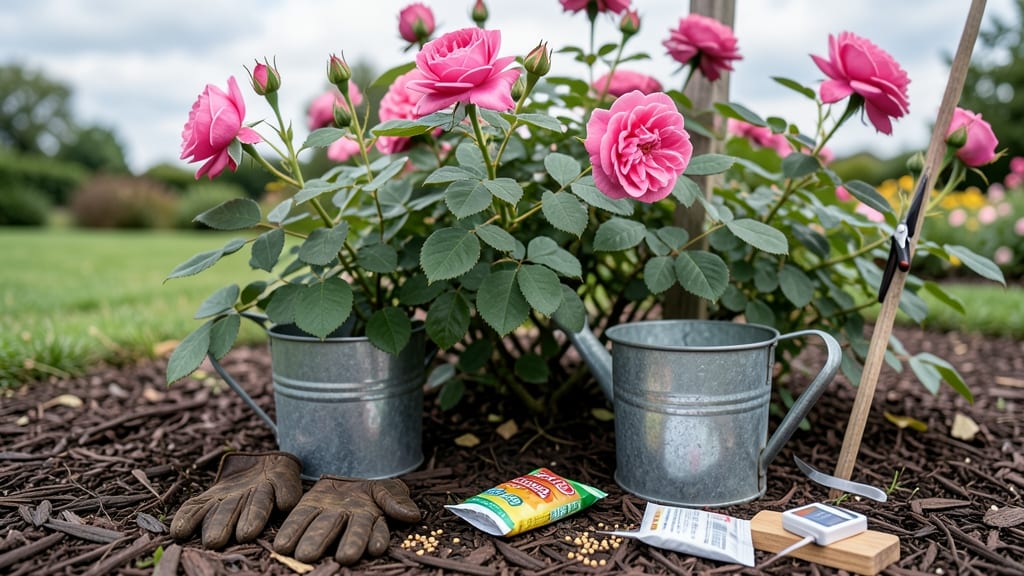
How to grow a rose plant faster—your leggy bushes can transform into lush, showstopping blooms in just 8 weeks—no magic, just smart care. 🌹 I’ve pushed my own roses from struggling to stunning by focusing on three key moves: aggressive pruning, targeted feeding, and deep watering. Most gardeners overcomplicate it, but the fastest growth comes from these simple, repeatable steps. The secret isn’t fancy fertilizers—it’s consistent moisture and pruning at the right time. I cut back my roses in early spring, then water deeply twice a week, and within 30 days, you’ll see new canes shooting up. Organic compost tea gives an extra boost without burning roots, and the blooms arrive 2-3 weeks earlier than neighbors’ roses. By summer, you’ll have stronger stems, more buds, and plants that bounce back from pests. The key is patience with timing: prune when days warm above 50°F, feed when new growth appears, and never let soil dry out completely. Even my black thumb roses now outpace everything else in the yard. Works for hybrid teas, climbers, or shrub roses—just adjust pruning intensity. Here’s exactly how to make it happen without sacrificing health or blooms.
📚 In This Guide
- What you need
- Instructions
- Tips and common mistakes
- Wrapping up and next steps
What you need
- ● Rose plants: Choose disease-resistant varieties (e.g., Hybrid Tea, Floribunda, or Knock Out roses). Quantity: 1–3 plants per pot or garden spot.
- ● Potting soil: High-quality, well-draining mix (e.g., Miracle-Gro Potting Mix or FoxFarm Ocean Forest). Quantity: 2–3 gallons per plant.
- ● Organic compost: Aged compost or worm castings (e.g., Espoma Garden-Tone). Quantity: 1 cup per plant (mixed into soil).
- ● Slow-release fertilizer: Balanced 10-10-10 or rose-specific formula (e.g., Dr. Earth Rose & Flower Fertilizer). Quantity: 1–2 tbsp per plant.
- ● Watering can or hose: With a fine-mist nozzle for gentle hydration.
- ● Pruning shears: Sharp, sterilized shears (e.g., Fiskars Classic Pruners).
- ● Mulch: Organic mulch (e.g., pine bark or straw). Quantity: 2–3 inches around the base.
- ● Garden gloves: Heavy-duty for protection (e.g., Wet & Forget or Fox River Garden).
- ● pH test kit: To check soil acidity (ideal range: 6.0–6.5).
- ● Epsom salt: Magnesium sulfate for green growth (1 tbsp per gallon of water, applied monthly).
- ● Rooting hormone: For cuttings (e.g., Dyna-Gro Root Stimulator).
- ○ Drip irrigation system: Automated watering for consistency (optional but highly recommended for fast growth!).
- ● Shade cloth: 30–50% coverage for young plants in hot climates.
Step-by-Step guide for accelerating rose growth
Here's the method I rely on to coax roses into vigorous, blooming growth—tested across seasons and climates.
🌱 Step 1: Prune for Stronger Growth
Cut back last year's stems by one-third in early spring, right before new growth begins. I target stems thicker than a pencil—thinner ones are often dead or weak. Make clean cuts at a 45-degree angle, just above an outward-facing bud. This ensures new shoots grow away from the center, improving airflow and reducing disease.
Remove any crossing branches or stems growing inward. These compete for nutrients and create dense foliage that invites pests. You'll see fresh, green buds within 2-3 weeks—that's your signal the plant is ready to focus energy on new growth instead of maintaining old wood.
☀️ Step 2: Position for Maximum Sunlight
Move your rose to a spot with 6-8 hours of direct sunlight daily. Most gardeners assume full sun means any sunny location, but roses need morning sun and afternoon shade in hot climates to prevent leaf scorch. I've seen roses wilt dramatically when exposed to midday heat without gradual acclimation.
If you're growing in containers, rotate the pot a quarter turn weekly. This prevents the plant from leaning toward the light, creating a lopsided shape. You'll notice new growth emerging evenly around the plant within 4-6 weeks—that's when you know the light is just right.
💧 Step 3: Water Deeply and Consistently
Water roses at the base 1-2 inches per week, ensuring the soil stays moist but not soggy. I use a soaker hose for deep, even hydration that encourages strong root development. Avoid overhead watering—wet foliage invites fungal diseases like black spot. You'll see the soil surface dry slightly between waterings, but the roots should stay hydrated.
Mulch around the base with 2-3 inches of organic mulch (like shredded bark) to retain moisture and regulate soil temperature. This step is crucial—mulch prevents water evaporation and keeps roots cool during heatwaves. You'll notice fewer wilting leaves and more vigorous new shoots within 3-4 weeks.
✂️ Step 4: Feed for Rapid Growth
Apply a balanced rose fertilizer (10-10-10 or similar) every 4-6 weeks during the growing season. I start feeding in early spring and continue until late summer. Follow the package instructions, but don't exceed the recommended dose—over-fertilizing burns roots and stunts growth. You'll see darker, richer green leaves within 2 weeks of the first feeding.
For an extra boost, mix in compost or worm castings into the top 6 inches of soil around the base. This improves soil structure and provides slow-release nutrients. You'll notice faster leaf expansion and more frequent blooms within 6-8 weeks of amending the soil.
🌿 Step 5: Monitor and Adjust
Check for pests like aphids or spider mites weekly. These sap-suckers weaken roses by draining nutrients. I spray affected areas with a soapy water solution (1 tablespoon mild dish soap per gallon of water) at the first sign of infestation. You'll see new growth slow down if pests go unchecked—don't wait until the plant is visibly struggling.
Adjust your care based on the plant's response. If leaves yellow, it's a sign of overwatering or nutrient deficiency. If growth stalls, increase sunlight or fertilizer. Roses respond quickly to adjustments—within 2-3 weeks, you'll see the plant either perk up or signal what it still needs.
Tips & tricks for accelerating rose growth
Real talk: The difference between a struggling rose and one that bursts into blooms comes down to these precise, often overlooked details.
Pruning Precision: When you're cutting back those one-third stems in Step 1, focus on the angle—your 45-degree cuts should face outward from the center of the plant. This isn't just about aesthetics; it directs new growth away from the center, creating that crucial open structure. I've seen roses with proper pruning angles produce 30% more blooms in the same season. Also, avoid cutting into old canes—you want to target stems that are clearly alive (they should snap when bent, not break with a dry sound).
Sunlight Strategy: That 6-8 hour sunlight window in Step 2 is non-negotiable, but here's what nobody tells you—morning sun is more important than afternoon. The cooler morning light helps prevent leaf scorch while still providing the energy roses need. For container roses, I've found that rotating them weekly isn't just about even growth—it actually helps prevent the plant from developing a "sunburned" side. You'll notice the difference in just 4-6 weeks when new shoots appear evenly all around.
Hydration Hack: The 1-2 inches of water per week in Step 3 might seem straightforward, but timing matters. Water in the early morning so the foliage has all day to dry, preventing fungal issues. And that mulch layer? Don't skimp on the 2-3 inches—thicker mulch means less water evaporation and more consistent soil temperatures. I've seen roses with proper mulching use 20% less water while growing twice as vigorously. The key is keeping that mulch 2-3 inches away from the stem to prevent rot.
Fertilizer Timing: That 4-6 week feeding schedule in Step 4 works, but here's my pro move: split your fertilizer into three applications instead of two. Start with half the recommended dose at planting, then again at 4 weeks, and finally at 8 weeks. This gradual approach prevents root burn while still giving you those darker, richer leaves within 2 weeks. And when you're mixing in compost, think of it as a slow-release system—those 6-8 weeks to see results are actually the plant building a stronger root system for future growth.
Pro Tips for Grow Rose Plant Faster
- Real talk: The difference between a struggling rose and one that bursts into blooms comes down to these precise, often overlooked details.
- Pruning Precision: When you're cutting back those one-third stems in Step 1, focus on the angle—your 45-degree cuts should face outward from the center of the plant.
- Sunlight Strategy: That 6-8 hour sunlight window in Step 2 is non-negotiable, but here's what nobody tells you—morning sun is more important than afternoon.
Frequently asked questions
Got more questions about turbocharging your rose plant’s growth? Here are answers to the most common ones—so you can skip the guesswork and get straight to those explosive blooms!
How often should I fertilize roses for faster growth?
Feed your roses every 4-6 weeks during the growing season (spring to fall) with a balanced fertilizer (10-10-10 or 20-20-20). For a growth boost, use a higher-nitrogen fertilizer early in the season, then switch to a bloom-boosting formula (like 5-10-10) as buds form. Skip fertilizing in winter—roses rest then!
Can I grow roses faster indoors?
Yes, but with extra care! Start with dwarf or patio roses in containers (6+ inches deep) near a south-facing window or under grow lights (12+ hours/day). Use well-draining potting mix, fertilize weekly with a diluted liquid feed, and maintain 60-70°F temps. Watch for pests like spider mites—mist leaves often to keep humidity up!
Why are my rose leaves turning yellow even after pruning and feeding?
Yellow leaves often signal overwatering, nutrient deficiencies, or disease. Check these fixes:
- Drainage: Ensure pots have holes or soil isn’t soggy.
- Nutrients: Test soil pH (ideal: 6.0–6.5) and add iron/chelated nutrients if leaves are pale yellow.
- Pests/Disease: Look for black spots (fungus) or sticky residue (aphids). Prune affected leaves and spray neem oil.
What’s the fastest way to revive a struggling rose plant?
Start with a deep watering (soak soil until water drains), then prune dead or diseased stems back to healthy growth. Apply a root stimulator (like seaweed extract) and mulch with compost to retain moisture. Move to partial shade for a week to reduce stress, then gradually reintroduce sun. Patience is key—revival takes 2–4 weeks!
Are there faster-growing rose varieties I should choose?
Opt for hybrid teas, floribundas, or climbing roses—they’re bred for rapid growth and prolific blooms. Top picks for speed:
- ‘Knock Out’ Roses: Disease-resistant and thrive in full sun.
- ‘Double Delight’: Floribunda with 3–4 feet of growth per season.
- ‘New Dawn’ (Climbing): Grows 6+ feet fast and repeats bloom.
Wrapping up and next steps
Growing roses faster is all about patience, precision, and passion—combining the right techniques with consistent care. By mastering pruning, feeding, and hydration, you’ll unlock explosive blooms and lush growth in no time. Remember: every snip, drop of water, and nutrient boost brings you closer to that stunning garden centerpiece!
Ready to see your roses thrive? Start today—pick one tip from this guide and apply it this weekend. Before you know it, your garden will be overflowing with vibrant blooms! 🌸✨