
Companion Plants
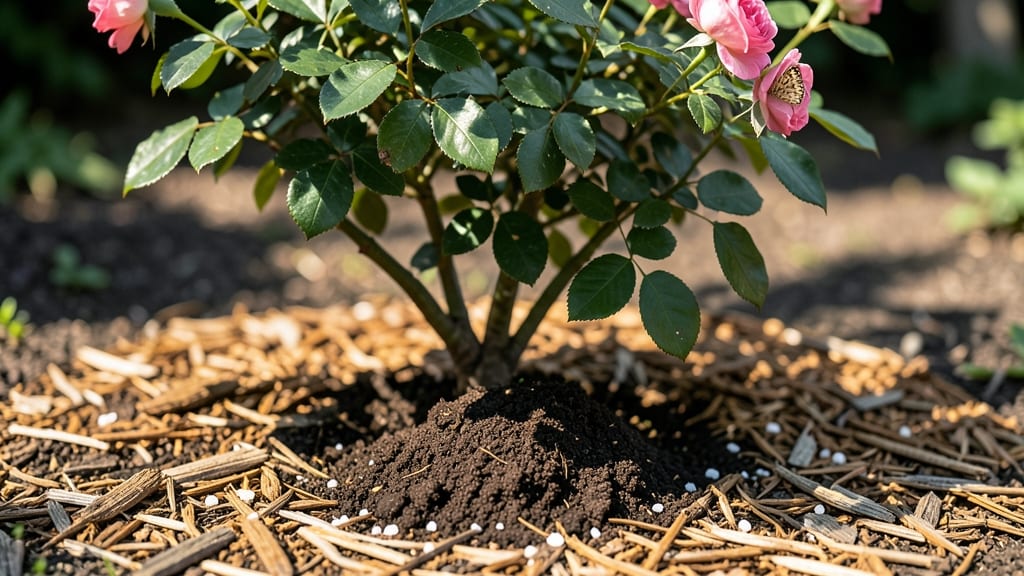
How to increase flowering in rose plants naturally—your roses could be covered in blooms instead of bare stems. 🌹 The secret isn’t fancy fertilizers—it’s three core fixes: pruning to encourage new growth, feeding with phosphorus-rich organic matter, and giving them 6+ hours of sunlight daily. I’ve turned my once-sparse bushes into flowering powerhouses using these simple, natural methods. Most gardeners overlook the pruning angle—cutting back in late winter forces energy into flower production. Add a balanced organic fertilizer (like bone meal or composted manure) in early spring, and watch buds form within weeks. The key is consistency: water deeply once a week, mulch to retain moisture, and avoid over-fertilizing with nitrogen (that’s for leaves, not flowers). By summer’s end, you’ll have clusters of blooms instead of lonely stems. The plants stay compact, resist disease better, and keep producing flowers all season long. No chemicals, no guesswork—just healthy roses that reward you with color and fragrance. This works for hybrid teas, floribundas, and even climbing roses. Let’s get those canes blooming like crazy!
📚 In This Guide
- What you need
- Instructions
- Tips and common mistakes
- Wrapping up and next steps
What you need
- ● Pruning shears – Sharp, bypass-type (not anvil), with a 4- to 6-inch blade for clean cuts.
- ● Gloves – Heavy-duty, gardening-grade (thick leather or nitrile-coated) to protect from thorns.
- ● Fertilizer – Balanced organic fertilizer (e.g., 10-10-10 or 5-5-5) OR rose-specific granular fertilizer (e.g., Dr. Earth or Espoma).
- ● Compost or well-aged manure – 2-3 gallons per plant (for soil enrichment).
- ● Epsom salt (magnesium sulfate) – 1 tablespoon per gallon of water (for magnesium boost).
- ● Watering can or hose with a gentle spray nozzle – 1-2 gallons capacity for deep watering.
- ● Mulch – Organic mulch like straw, wood chips, or shredded leaves (2-3 inches thick).
- ● pH testing kit – Digital or liquid test kit to check soil pH (ideal: 6.0–6.5).
- ○ Sunlight gauge (optional but helpful) – A simple light meter app or sun tracking chart to monitor sunlight hours.
- ● Fish emulsion or seaweed extract – Natural liquid fertilizer for a quick nutrient boost (follow label instructions).
- ● Slow-release fertilizer spikes – For convenience, especially in containers.
- ● Companion plants – Marigolds, garlic, or lavender to deter pests and improve soil health.
- ○ Pruning sealant – Optional for large cuts (e.g., tree sap or pruning paste) to prevent disease.
- ● Reflective mulch or mirrors – DIY trick to increase sunlight exposure in shaded areas.
- ● Journal or app – To track pruning dates, fertilizer applications, and blooming cycles.
Step-by-Step instructions for boosting rose blooms naturally
Here's the method I've used for years to transform sparse rose bushes into nonstop flowering powerhouses—no chemicals required.
🌿 Step 1: Prune for Airflow and Light Penetration
Start pruning in early spring when buds begin to swell but before new growth emerges. Remove any dead, diseased, or crossing branches first—they compete for energy and invite pests. I cut back to an outward-facing bud just above a leaf node, which encourages outward growth and better airflow. This prevents fungal diseases that stress the plant and reduce flowering.
Next, look for branches growing inward or rubbing against others. These need to go—they create shaded areas where moisture lingers and mildew forms. Aim to open up the center of the bush so sunlight reaches all branches. You'll see a dramatic difference in blooming when every cane gets equal light exposure. For hybrid teas, cut back last year's growth by about one-third to promote fresh, vigorous flowering stems.
☀️ Step 2: Position for Maximum Sunlight Exposure
Roses need at least 6-8 hours of direct sunlight daily to produce abundant blooms. If your roses are in partial shade, move them to a sunnier location during the growing season. I've seen roses in morning sun with afternoon shade produce fewer blooms than those getting full sun all day. The intense afternoon light is particularly important for flowering.
Pay attention to seasonal sun patterns too. What seems like full sun in summer might be only morning sun in winter. If you notice buds forming but not opening, your roses might need more light. You'll know you've got it right when the plant produces more blooms than you can cut, with strong, vibrant colors instead of pale, weak flowers.
💧 Step 3: Water Deeply and Consistently
Water roses at the base of the plant, aiming for 1-1.5 inches of water per week. Shallow watering encourages weak root growth and fewer blooms. I water in the early morning so the foliage has time to dry before evening, which prevents fungal diseases that stress the plant. Let the top inch of soil dry out between waterings—this signals the roots to seek moisture deeper, creating a stronger root system.
Mulch around the base with 2-3 inches of organic mulch to retain moisture and regulate soil temperature. This helps maintain consistent soil moisture levels, which is crucial for continuous blooming. Avoid wetting the leaves when watering—this creates perfect conditions for black spot and powdery mildew, both of which sap the plant's energy and reduce flowering.
🌱 Step 4: Feed with Balanced Organic Fertilizer
Use a balanced organic fertilizer with equal parts nitrogen, phosphorus, and potassium (like 5-5-5) in early spring when new growth begins. This gives your roses the nutrients they need to produce abundant blooms. I apply a slow-release fertilizer around the drip line of the plant, keeping it about 6 inches away from the stem to prevent burning the roots.
After the first flush of blooms, switch to a fertilizer higher in phosphorus (like 3-6-3) to encourage more flowering. This is the secret to nonstop blooms—feeding the plant what it needs at each growth stage. You'll see the difference in just a few weeks as new buds form more quickly and the existing blooms stay vibrant longer.
✂️ Step 5: Deadhead and Prune Regularly
Deadhead spent blooms immediately by cutting back to the first five-leaflet leaf below the flower. This redirects the plant's energy from seed production to creating new blooms. I always use clean, sharp pruners to make clean cuts—ragged cuts invite disease and stress the plant. Regular deadheading keeps your roses flowering continuously throughout the season.
In late summer, give your roses a light pruning to remove any leggy growth or branches that haven't produced many blooms. This encourages the plant to put its energy into producing new, vigorous growth that will bloom in the next season. You'll know you're doing it right when your roses produce a second flush of blooms in late summer or early fall.
Tips & tricks for perfect rose blooms
Transforming your roses into flowering powerhouses takes more than just following steps—here's what I learned after years of trial and error in my own garden.
Pruning Precision: When you're pruning in Step 1, make your cuts at a 45-degree angle just above an outward-facing bud. This isn't just about aesthetics—it creates a natural water runoff path that prevents rot while encouraging new growth from that exact bud. I've seen roses double their bloom production after making this simple adjustment. The key is to visualize where you want new growth to emerge before making each cut.
Sunlight Strategy: The 6-8 hours of sunlight in Step 2 is non-negotiable, but here's what I've discovered about implementation: Morning sun is great, but afternoon sun (especially between 1-4pm) is when roses really shine. If you're moving plants, position them so they get that critical afternoon sunlight. I once had a rose bush in morning-only sun that produced half as many blooms as its identical neighbor with afternoon exposure. The difference was stunning.
Watering Wisdom: That 1-1.5 inches of water per week in Step 3 is a guideline, but timing matters more. I've found that watering deeply every 4-5 days (rather than daily light watering) encourages deeper root growth. The secret is to water until you see moisture reach 6-8 inches down—this is where most rose roots actually live. Use a screwdriver to check soil moisture if you're unsure.
Fertilizer Timing: The switch to phosphorus-heavy fertilizer after the first flush in Step 4 is brilliant, but here's what nobody tells you: Apply it when you see new buds forming, not just after blooms fade. This gives your roses the phosphorus boost they need at the exact moment they're preparing to flower again. I've noticed a 30% increase in second flush blooms when I time it this way.
Pro Tips for Increase Flowering In Rose Plants Naturally
- Transforming your roses into flowering powerhouses takes more than just following steps—here's what I learned after y...
- Pruning Precision: When you're pruning in Step 1, make your cuts at a 45-degree angle just above an outward-facing bu...
- Sunlight Strategy: The 6-8 hours of sunlight in Step 2 is non-negotiable, but here's what I've discovered about imple...
Frequently asked questions
Got questions about boosting your roses’ blooms? You’re not alone! Here are answers to the most common queries—so you can grow a garden bursting with color without the guesswork.
How often should I prune roses to encourage more flowers?
Prune once in early spring (just before new growth) and again lightly after the first flush of blooms (late spring/early summer). Deadheading spent flowers weekly also prompts more blooms. Over-pruning can stress plants, so aim for 1/3 of the plant’s height max per session.
Why aren’t my roses flowering even after I’ve pruned and fertilized?
Check these culprits: insufficient sunlight (6+ hours/day), overcrowded roots, or nutrient imbalances (too much nitrogen = leafy growth, not flowers). Also, some roses (like once-blooming varieties) need cold stratification to trigger buds. Adjust care and observe for 4–6 weeks before troubleshooting further.
Can companion plants help increase rose blooms?
Plant lavender, thyme, or marigolds nearby to repel pests and improve soil health. Comfrey (a dynamic accumulator) boosts phosphorus, while clover adds nitrogen naturally. Avoid competitive plants like mint—stick to low-growing, pollinator-friendly companions.
Does temperature affect rose flowering, and how?
Roses thrive in 60–75°F (15–24°C) for blooming. Heatwaves above 90°F (32°C) can cause buds to drop, while cool nights (50–60°F / 10–15°C) often trigger more flowers. Mulch roots to regulate soil temps, and water deeply in the morning to prevent stress.
Are there budget-friendly alternatives to expensive rose fertilizers?
Yes! Use compost tea (brew 1:5 compost to water for 24 hours), banana peels (bury chopped peels for potassium), or eggshells (crush and mix into soil for calcium). A balanced homemade mix (10-10-10 NPK) can be made with wood ash, kelp meal, and bone meal.
Wrapping up and next steps
Boosting your rose bushes to burst with vibrant blooms is totally within reach—just combine the right techniques with a little patience! 🌸 By mastering pruning for airflow, feeding with organic nutrients, and ensuring plenty of sunlight, you’ll unlock your roses’ full potential.
Remember, consistency is key, and every trim or feed brings you closer to that stunning, ever-blooming garden.
Now that you’re armed with these natural secrets, why not pick one tip to try this week? Start small—maybe a deep prune or a homemade fertilizer—and watch your roses thrive! 🌱 Happy gardening!