
Size
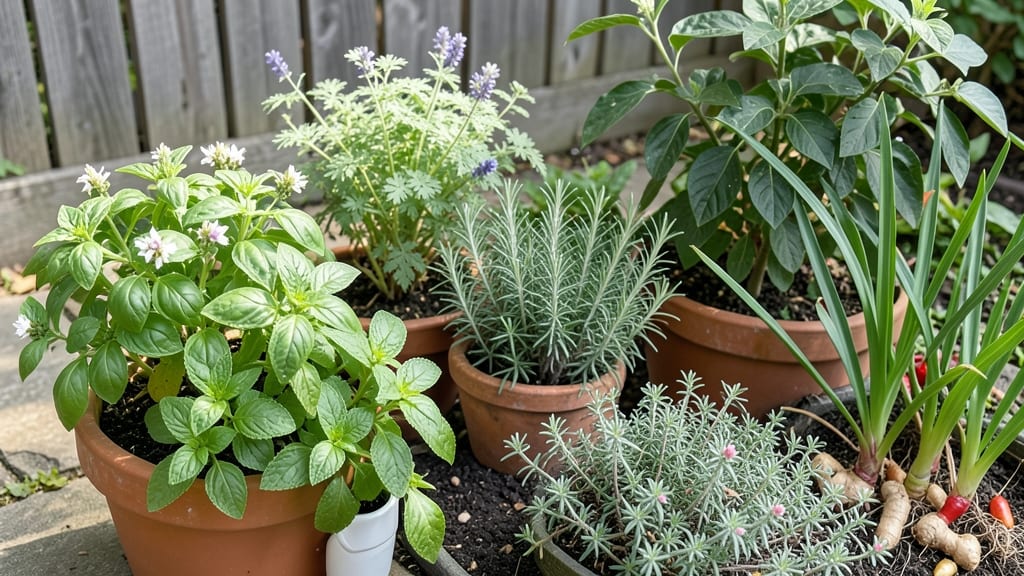
How to grow spices indoors from your windowsill—fresh basil, cinnamon sticks, and chili peppers—is easier than you think, even when sunlight is scarce. I’ve grown everything from mint to ginger in my apartment, and the secret lies in matching the right plants to your space and light conditions.
You’ll need just a few basics: containers with drainage, a well-draining potting mix, and either grow lights or a south-facing window. Some spices, like cilantro and parsley, germinate quickly from seeds, while others, like vanilla or cardamom, thrive from store-bought rhizomes or cuttings.
The key is patience—most spices take 3-6 months to mature but reward you with flavors you’ll never find in stores.
Imagine plucking fresh cilantro for tacos or snipping basil for pasta, all while your neighbors pay premium prices at the grocery store. With the right setup, you’ll harvest year-round, even in winter. The aroma alone—especially when crushing fresh peppercorns or steeping cinnamon sticks—makes the effort worthwhile.
Works for any indoor space, from bright kitchens to dim basements with grow lights. Let’s get those spice gardens started—your taste buds will thank you.
📚 In This Guide
- What you need
- Instructions
- Tips and common mistakes
- Wrapping up and next steps
What you need
- ● Containers: 6–12-inch pots (1–2 per plant) with drainage holes. Pro tip: Terracotta or fabric pots work best for airflow!
- ● High-quality potting mix: Well-draining, organic mix (avoid garden soil). Quantity: 1–2 bags (1–2 cubic feet) depending on your setup.
- ● Spice plants: Seeds, seedlings, or cuttings (e.g., basil, mint, cilantro, or chives). Quantity: 1–3 plants per container.
- ● Grow lights: Full-spectrum LED lights (12–16 hours/day). Recommendation: 2–4 lights for small setups, adjustable arms for larger gardens.
- ● Watering can or spray bottle: For gentle hydration (avoid overwatering!).
- ● Fertilizer: Balanced liquid fertilizer (10-10-10 or organic options like fish emulsion). Usage: Dilute and apply every 4–6 weeks.
- ● Pruning shears: Small, sharp scissors for harvesting and trimming.
- ● Humidity tray: A shallow tray with pebbles and water to boost moisture (great for basil or mint!).
- ○ Soil moisture meter: Optional but handy for avoiding over/under-watering.
- ● Support stakes: For taller herbs like dill or rosemary (if growing in larger pots).
- ● Label markers: To track varieties and harvest dates!
Step-by-step instructions for growing spices indoors
Here’s how to cultivate flavorful spices year-round without relying on direct sunlight.
🌱 Step 1: Select the Right Spices and Containers
Choose spices that thrive indoors, like basil, mint, chives, or cilantro—all of which tolerate lower light conditions better than sun-loving herbs. Avoid spices that need intense sunlight, such as rosemary or thyme, unless you have a grow light. Use 6-inch diameter pots with drainage holes to prevent root rot, and opt for terracotta or fabric pots, which wick away excess moisture.
Fill each pot with well-draining potting mix (avoid garden soil—it compacts too easily). Add a handful of perlite or vermiculite to improve aeration. If repotting, ensure the new container is only 1-2 inches larger than the current one to avoid over-potting, which can lead to soggy roots.
☀️ Step 2: Position for Optimal Light and Temperature
Place your spice plants near a south- or west-facing window, where they’ll receive 4-6 hours of indirect sunlight daily. If natural light is insufficient, supplement with a full-spectrum LED grow light positioned 6-12 inches above the plants for 12-14 hours per day. Rotate pots weekly to prevent leaning toward the light source.
Maintain a temperature range of 65-75°F—most spices struggle below 55°F or above 85°F. Avoid drafty areas, like near air conditioners or heaters, which can cause stress. Watch for yellowing leaves or stunted growth; these are signs of temperature or light imbalance.
💧 Step 3: Water and Fertilize for Consistent Growth
Water when the top inch of soil feels dry, but never let pots sit in standing water. Overwatering is the fastest way to kill container-grown spices. Use room-temperature water to avoid shocking the roots, and water at the base of the plant to prevent fungal diseases. Empty drainage trays immediately after watering to prevent root rot.
Fertilize every 4-6 weeks with a balanced liquid fertilizer (10-10-10 or 20-20-20) diluted to half strength. Over-fertilizing can burn delicate roots, so always follow package instructions. You’ll notice healthier foliage and more robust growth within 2-3 weeks of consistent feeding.
✂️ Step 4: Prune and Harvest for Longevity
Pinch back the tips of new growth to encourage bushier plants. For herbs like basil or mint, trim 1-2 inches above a leaf node to promote branching. Avoid cutting into woody stems—this weakens the plant and reduces future harvests. Harvest leaves in the morning when essential oils are at their peak.
Regular pruning also prevents flowering, which can make leaves bitter. If you notice buds forming, snip them off immediately. With consistent care, a single basil plant can yield harvests for 6-8 weeks before needing a rest. Store pruned stems in water on your countertop for fresh herbs on demand.
Tips & tricks for perfect indoor spice cultivation
Here's what I've learned after growing herbs indoors for years—these tricks make all the difference between struggling plants and thriving flavor factories.
Light Optimization: That 6-hour minimum of indirect sunlight is non-negotiable, but don't assume all windows are equal. East-facing windows provide soft morning light that's perfect for delicate herbs like parsley, while west-facing windows offer intense afternoon rays that work better for hardier plants like mint. If you're using grow lights, position them just 6-12 inches above the plants and keep them on for 12-14 hours daily to mimic natural daylight cycles. The key is consistency—herbs need predictable light patterns to grow strong.
Root Health Strategy: The 6-inch depth and 8-inch width container specifications aren't arbitrary—they create the perfect balance for herb roots. For basil, which has shallow roots, I actually use slightly wider containers (up to 10 inches) to encourage bushier growth. When repotting, always use fresh potting mix rather than adding to the old soil, which can become compacted and harbor bacteria over time. This simple swap prevents that dreaded root rot that can kill plants overnight.
Watering Wisdom: That top inch dry test is your best friend, but there's a trick to it: press your finger about an inch deep into the soil. If it feels damp but not soggy, your plants are happy. For the bottom-watering method, I've found that using a saucer with just ½ inch of water works better than completely submerging the pot—this prevents waterlogging while still encouraging roots to grow downward. And always use room-temperature water; cold water can shock the roots and stunt growth.
Harvesting Technique: When you're ready to harvest after those 4-6 weeks, use your fingers to gently pinch leaves rather than cutting with scissors. This encourages the plant to branch out and grow more leaves. For basil specifically, I always harvest the top sets of leaves—this promotes that lush, bushy growth you see in garden centers. And here's a secret: the more you harvest, the more your plant will produce. Don't be shy about taking what you need!
Pro Tips for Grow Spices
- Here's what I've learned after growing herbs indoors for years—these tricks make all the difference between struggling plants and thriving flavor factories.
- Light Optimization: That 6-hour minimum of indirect sunlight is non-negotiable, but don't assume all windows are equal.
- Root Health Strategy: The 6-inch depth and 8-inch width container specifications aren't arbitrary—they create the perfect balance for herb roots.
Frequently asked questions
Got questions about growing your own spices indoors? You’re not alone! Here are some of the most common queries—and their answers—to help you cultivate a thriving herb garden, even without a sunny windowsill.
Can I grow spices indoors without natural sunlight?
While many herbs love sunlight, grow lights (LED or fluorescent) can mimic 12–16 hours of daylight daily. Place lights 6–12 inches above plants for optimal growth. Slow-growing herbs like thyme, oregano, or rosemary adapt best to lower light.
How long does it take for indoor-grown spices to mature?
Harvest times vary by herb:
- Basil, cilantro, parsley: 4–6 weeks (cut leaves as needed to encourage bushiness).
- Rosemary, thyme, oregano: 6–12 months (slow growers; be patient!).
- Chives, mint: 8–10 weeks (regrow quickly after trimming).
Pro tip: Pinch back leggy stems to promote fuller growth and faster maturity.
Why are my indoor spices turning yellow or wilted?
Yellowing leaves often signal overwatering (check soil moisture—it should be damp, not soggy). Wilting can mean underwatering or root rot (use pots with drainage holes!). Adjust watering based on humidity—succulents like rosemary need less, while basil thrives with consistent moisture.
What’s the easiest spice to grow indoors for beginners?
Start with mint, basil, or chives—they’re hardy, fast-growing, and forgiving. Mint spreads aggressively (grow in a separate pot!), while basil and chives regrow quickly after harvest. Place them near a sunny window or under grow lights for best results.
Can I use dried spices from my indoor garden?
Yes! Once herbs are mature, dry them in one of three ways:
- Air-drying: Hang bundles upside down in a dark, dry place (2–4 weeks).
- Oven-drying: Spread leaves on a baking sheet at 200°F (93°C) for 1–2 hours.
- Dehydrator: Use low heat (95°F/35°C) for 2–4 hours.
Store dried spices in airtight containers away from light for up to 6 months.
Wrapping up and next steps
Growing your own spices indoors is a rewarding journey—one that brings fresh flavors, cost savings, and a deeper connection to your food. Whether you’re nurturing basil, cilantro, or mint, the key is patience, consistency, and a little creativity with space and light. You’ve got this! 🌱
Ready to take the next step? Start small—pick one spice to master, then expand your indoor herb garden as you gain confidence. Soon, you’ll be harvesting homegrown flavors year-round, no sunlight struggles required!