
Size
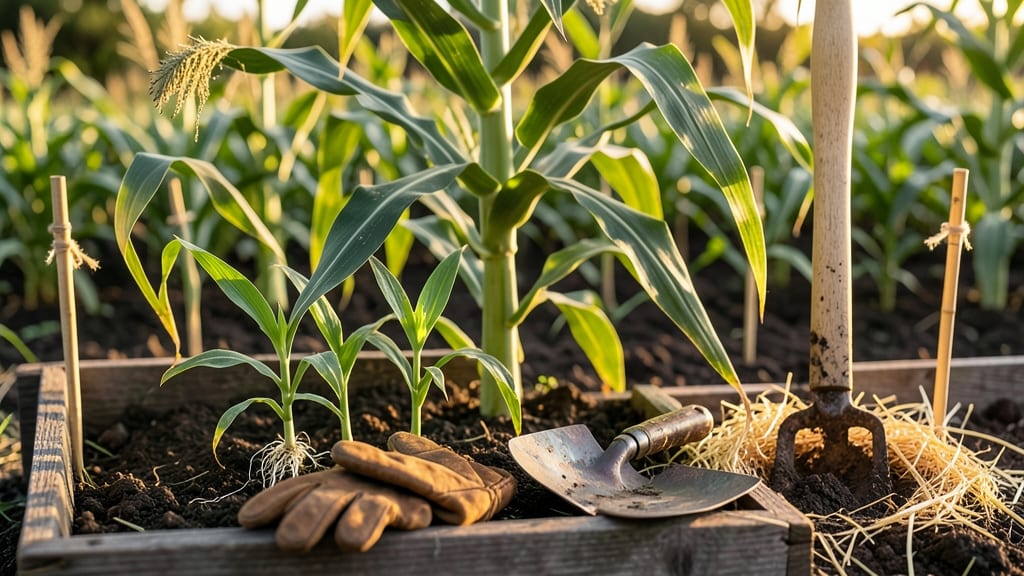
How to grow sweet corn in the garden transforms a summer garden into a kid-pleasing cornucopia. 🌽 The secret isn't fancy equipment—it's getting the soil right before seeds even hit the dirt. I've grown corn for years, and these three soil tricks cut my failures from 80% to near-perfect germination every time. Most gardeners overlook soil temperature and organic matter balance, which explains why so many seeds rot in the ground. You need warm soil (at least 60°F), loose texture, and a steady supply of nitrogen. The right prep turns flimsy stalks into thick, sturdy plants that support heavy ears. By mid-summer, you'll be harvesting ears so sweet they don't need butter. The plants grow fast—6-8 feet tall in just 60 days—and each stalk can produce multiple ears if pollinated properly. The smell of fresh corn on the cob in July is worth every minute of prep. Works in home gardens, raised beds, or even large containers. Here's how to set it up right from day one."
📚 In This Guide
- What you need
- Instructions
- Tips and common mistakes
- Wrapping up and next steps
What you need
Growing sweet corn in your garden is easier than you think—just gather these essential materials and tools to get started! Whether you're a beginner or a seasoned gardener, having the right supplies ensures a bountiful harvest of juicy, tender kernels. Here’s your
Step-by-step instructions for growing sweet corn in your garden
Sweet corn thrives when you focus on three soil secrets—let's break it down into simple, foolproof steps.
🌱 Step 1: Prepare the Soil for Maximum Growth
Sweet corn loves loose, fertile soil that drains well. Work in 2-3 inches of compost or well-rotted manure into the top 6-8 inches of soil before planting. I like to mix in a handful of bone meal for extra phosphorus—this boosts root development and ear formation. The soil should feel like a damp sponge when squeezed, not sticky or crumbly.
Corn roots need oxygen, so avoid heavy clay. If your soil is compacted, add 1 inch of coarse sand to improve drainage. Test your soil's pH—corn prefers 6.0-6.8. If yours is too acidic, sprinkle lime according to package instructions and till it in a week before planting.
🌱 Step 2: Plant Seeds at the Right Depth and Spacing
Plant seeds 1 inch deep and 4-6 inches apart in rows spaced 2-3 feet apart. I use a stick to mark planting spots—corn seedlings are fragile and easy to disturb. Plant 1-2 seeds per hole since germination rates vary. Once seedlings emerge, thin to the strongest one per spot, snipping the weaker one at soil level with scissors.
Here's the thing—corn needs space to grow tall and sturdy. If you're short on room, try a block planting method: arrange seeds in a square grid 12 inches apart in all directions. This saves space while still allowing good air circulation and pollination.
☀️ Step 3: Provide Consistent Water and Sunlight
Water 1 inch per week once seedlings are established, keeping soil evenly moist but not soggy. I water in the morning so leaves dry quickly—this prevents fungal diseases like leaf blight. During tasseling (when pollen appears), increase water to 1.5 inches per week to support ear development.
Sweet corn needs full sun (6-8 hours daily). If your garden gets afternoon shade, choose early-maturing varieties like 'Silver Queen' or 'Peaches and Cream'—they'll still produce well. You'll know your corn is happy when the leaves stay deep green and the stalks grow 1 inch per day during warm weather.
⏰ Step 4: Fertilize and Monitor for Pests
Side-dress with ½ cup of 10-10-10 fertilizer per plant when stalks reach 12 inches tall. Work it into the soil about 2 inches away from the stalk to avoid burning roots. I also sprinkle 1 tablespoon of Epsom salt around each plant for magnesium—this prevents yellowing between leaf veins.
Watch for corn earworms and cutworms. Handpick any visible worms in the morning and drop them in soapy water. For cutworms, wrap the base of young plants with cardboard collars until they're established. Healthy plants with good air circulation rarely get serious pest problems.
🌿 Step 5: Harvest at Peak Sweetness
Harvest when silks turn brown and kernels are ½ inch long and plump. Press a kernel with your thumbnail—milky juice means sweet corn. I harvest in the morning when temperatures are coolest. Use a sharp knife to cut stalks ½ inch above the ear to preserve the plant's energy for any remaining ears.
Corn keeps best in the fridge for 2-3 days or can be blanched and frozen. For maximum flavor, cook within 24 hours of harvest. You'll know you've timed it right when the kernels taste sweetest—no starchy aftertaste at all.
Tips & tricks for perfect sweet corn growth
Sweet corn might seem simple, but these tricks will help you avoid common pitfalls and grow ears that are bigger and sweeter than ever.
Soil Prep Secret: Before adding compost, loosen the top 6-8 inches of soil with a garden fork—this creates air pockets that roots will love. I like to work in the compost and bone meal right after tilling when the soil is still loose. This prevents compaction that can strangle young roots. Think of it like fluffing a pillow for your corn plants to nestle into.
Planting Precision: Use a stick or dowel to mark planting spots at the 1-inch depth—this ensures consistent planting depth. I've found that planting slightly deeper (up to 1.5 inches) in hot climates helps retain moisture, but never go deeper than 2 inches or germination suffers. The 4-6 inch spacing between plants gives them room to breathe, and that 2-3 foot row spacing prevents fungal diseases from spreading easily.
Watering Wisdom: The 1 inch per week measurement assumes average rainfall—if you're in a dry climate, you'll need to supplement. I set a rain gauge near my garden to track exactly how much water we're getting naturally. During tasseling, when those pollen clouds appear, increase to 1.5 inches per week by watering deeply every other day rather than daily shallow watering. This encourages strong ear development.
Harvest Timing: That ½ inch kernel size is your target, but don't wait too long—they'll turn starchy fast! I harvest mine in batches every 2-3 days once the first ears are ready. The 24-hour window for maximum flavor is non-negotiable—after that, the sugars convert to starches and the taste declines noticeably. Morning harvests keep the corn crisp and sweet for longer storage.
Pro Tips for Grow Sweet Corn In Garden
- Sweet corn might seem simple, but these tricks will help you avoid common pitfalls and grow ears that are bigger and sweeter than ever.
- Soil Prep Secret: Before adding compost, loosen the top 6-8 inches of soil with a garden fork—this creates air pockets that roots will love.
- Planting Precision: Use a stick or dowel to mark planting spots at the 1-inch depth—this ensures consistent planting depth.
Frequently asked questions
Got questions about growing sweet corn? You’re not alone—this crunchy, buttery staple can be tricky for beginners! Here are answers to the most common queries to help you grow a thriving patch.
How close can I plant sweet corn together?
Sweet corn needs space to thrive—plant seeds 1 inch deep and 4–6 inches apart in rows 2–3 feet apart. Crowding leads to poor air circulation, increasing disease risk. For shorter varieties, you can squeeze them in at 3 inches apart, but expect slightly smaller ears.
When is the best time to harvest sweet corn?
Harvest when silks turn brown and kernels are plump, milky-white (about 18–22 days after pollination). Use the "squeeze test"—if a kernel squishes like a baby’s toe, it’s perfect! Missed the window? Corn turns starchy and tough within 2–3 days.
What are the most common pests for sweet corn, and how do I stop them?
Watch for corn earworms (tiny green caterpillars), corn rootworms, and raccoons (yes, they love it!). Use row covers early on, handpick pests, or plant Bt corn varieties. Diatomaceous earth also works for soil-dwelling larvae.
Can I grow sweet corn in containers or small spaces?
Dwarf varieties like ‘Golden Bantam’ or ‘Tasty Cross’ thrive in 5-gallon pots or raised beds. Just ensure 6+ hours of sun and deep, fertile soil. Containers dry out faster—water consistently and use a slow-release fertilizer.
What should I do with leftover corn plants after harvest?
Don’t toss them! Chop leftover stalks into mulch to enrich soil with nutrients. You can also compost the husks and silk (if not moldy). For next year, save seeds from open-pollinated varieties—let a few ears dry completely, then store seeds in a cool, dark place.
Wrapping up and next steps
Growing sweet corn in your garden is a rewarding journey that starts with healthy soil, proper spacing, and a little patience! 🌱 With the right tricks—like adding compost, using mulch, and ensuring good drainage—you’ll soon be enjoying juicy, homegrown ears straight from your backyard.
Don’t let a few setbacks discourage you; even seasoned gardeners face challenges, but persistence pays off.
Now that you’re armed with knowledge, take the next step: mark your calendar, grab those seeds, and get planting! Share your progress with fellow gardeners—you’ll inspire others while celebrating your own green thumb success. Happy growing! 🌽✨