
How To
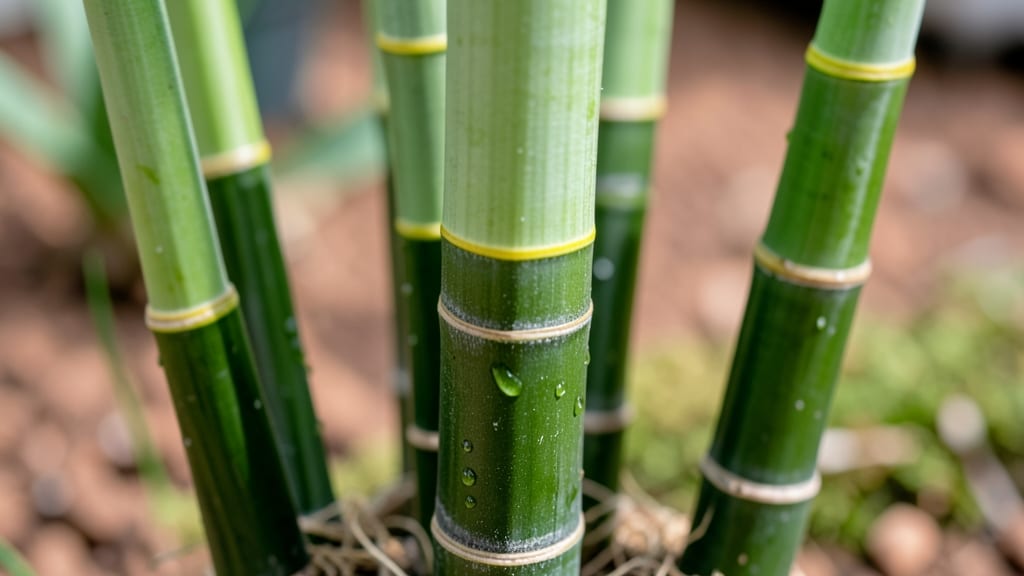
How to make a snake plant grow tall is all about unlocking its hidden potential—bright, indirect light and proper spacing are the real game-changers for those towering leaves. 🌱 I’ve watched mine go from stubby clumps to 3-foot giants in just two years by making two simple adjustments: more light exposure and strategic repotting to encourage vertical growth.
Skip the overwatering myths—snake plants grow tall when they’re slightly thirsty, not drowning. Let the top 2-3 inches of soil dry completely between waterings, and use a well-draining mix with perlite or sand.
The secret? Root space matters—crowded roots stunt height, so repot every 2-3 years in a container just 1-2 inches wider than the previous one.
📚 In This Guide
- What you need
- Instructions
- Tips and common mistakes
- Wrapping up and next steps
What you need
- ● Snake plant (Sansevieria) – Choose a healthy, mature plant (at least 1–2 years old for best results).
- ● Well-draining potting mix – A blend of cactus/succulent soil (60%) + perlite or pumice (30%) + orchid bark or coconut coir (10%). (Avoid heavy garden soil!)
- ● Pot with drainage holes – Opt for a terracotta or ceramic pot (1–2 inches larger in diameter than the plant’s root ball). (Plastic pots work too, but they retain more moisture.)
- ● Bright, indirect light source – A south- or west-facing window, or a grow light (LED or fluorescent, 10W–20W) for 12–14 hours/day.
- ● Watering can with a narrow spout – For precise watering (overwatering is the #1 enemy of tall growth!).
- ● Pruning shears or clean knife – Sterilized with rubbing alcohol (for trimming dead leaves or propagating).
- ● Fertilizer – A balanced liquid fertilizer (10-10-10 or 20-20-20), diluted to half-strength, applied every 4–6 weeks in spring/summer.
- ● Support stake or trellis – A bamboo stick or moss pole to gently guide tall leaves (if your variety leans naturally).
- ● Humidity tray or pebble tray – To maintain 40–50% humidity (especially useful in dry climates).
- ● pH testing kit – To check soil pH (ideal range: 6.0–7.0 for snake plants).
- ● Propagating containers – Small pots or trays for pups (baby plants) if you want to expand your collection!
Step-by-Step instructions for encouraging snake plant vertical growth
Here's how I coax snake plants to reach their full towering potential—no tricks, just proven care techniques.
🌱 Step 1: Select the Right Pot and Soil for Upward Growth
Choose a container that's only 2-3 inches wider than the plant's root ball—snake plants grow tallest when slightly root-bound. I use terracotta pots because they allow excess moisture to evaporate, preventing the compacted soil that stunts vertical growth. Fill with a well-draining mix: combine 60% cactus/succulent soil, 30% perlite, and 10% coarse sand.
Press the soil mixture gently around the roots but avoid compacting it. The goal is to create a loose structure that encourages roots to spread outward while allowing the plant to focus its energy upward. Tap the pot lightly on the table to settle the soil without crushing it—this prevents air pockets that could rot the base.
☀️ Step 2: Position for Maximum Light Exposure
Snake plants thrive in bright, indirect light but will grow taller when given 4-6 hours of direct morning sun daily. Place your plant near an east-facing window or under a sheer curtain on the south side. Avoid deep shade—leggy growth is your first sign the plant is stretching toward light.
Rotate the pot a quarter turn every 2 weeks so all sides receive even light. You'll notice new growth leaning toward the light source—this is normal, but consistent rotation prevents the plant from developing a permanent tilt. If leaves start yellowing at the tips, it's getting too much harsh afternoon sun.
💧 Step 3: Master the Watering Schedule for Vertical Growth
Water only when the top 3-4 inches of soil feel completely dry—this forces the plant to develop deeper roots and grow taller to access moisture. I use the "soak and dry" method: water thoroughly until it drains from the bottom, then wait until the soil is bone-dry before watering again. Overwatering causes the plant to focus energy on survival rather than vertical growth.
In winter, reduce watering to every 6-8 weeks—snake plants enter a natural dormancy and grow very slowly. Check soil moisture by inserting your finger 2 inches deep; if it feels damp, wait longer. Yellowing leaves usually mean overwatering, while crispy brown edges signal underwatering.
✂️ Step 4: Prune Strategically to Encourage Height
Remove any yellow or brown leaves at the base using clean, sharp scissors. These leaves compete with new growth for energy, slowing the plant's upward momentum. Cut just above the leaf node where new growth emerges—this directs the plant's resources toward producing taller, healthier foliage.
If your snake plant develops long, leggy stems, trim the top 1/3 of the longest leaves to encourage bushier growth. The plant will respond by producing new shoots from the nodes below, creating a fuller, taller appearance. Never remove more than 25% of the plant's foliage at once—this stresses the plant and can stunt growth.
🪴 Step 5: Fertilize and Repot for Continued Towering Growth
Feed your snake plant with a balanced, water-soluble fertilizer diluted to half-strength every 4-6 weeks during spring and summer. I use a 10-10-10 formula because snake plants need equal parts nitrogen, phosphorus, and potassium for strong vertical growth. Avoid fertilizing in fall and winter—the plant is dormant and won't use the nutrients.
Repot every 2-3 years or when roots circle the pot. Choose a container only 1-2 inches larger in diameter—snake plants grow taller when slightly root-bound. Gently loosen the roots before repotting to encourage outward spread, which in turn supports upward growth. Add fresh soil mix to fill the pot, pressing lightly around the base to stabilize the plant.
Tips & tricks for towering snake plants
These little-known strategies will help your snake plant reach its full vertical potential without the guesswork.
Soil Composition Matters: The 60% cactus/succulent soil to 30% perlite to 10% coarse sand ratio isn't just arbitrary—it creates the perfect balance of aeration and moisture retention. I've found that adding a handful of orchid bark (optional) to the mix improves drainage even further, which prevents the soil from becoming too compacted at the base where roots anchor. This loose structure encourages roots to spread outward, creating a stable foundation for upward growth.
Light Rotation Technique: The quarter-turn rotation every 2 weeks in Step 2 isn't just about even exposure—it's about training your plant. When you notice new growth leaning toward the light, that's your plant telling you it's ready for more exposure. I like to do this rotation right after watering so the soil is slightly damp (but not soggy), which helps the plant absorb nutrients more efficiently during its growth phase.
Watering Depth Check: That 2-inch deep moisture check in Step 3 is crucial because snake plants develop deeper roots when they have to work for water. Here's the thing: if you're using a larger pot (like the 2-3 inch wider recommendation), you'll need to check moisture at 3 inches deep instead. The rule of thumb is to measure from the soil surface down to where the roots will naturally grow—about 1 inch deeper than the pot's additional width.
Pruning for Height: When trimming those leggy stems in Step 4, focus on the top third of the longest leaves rather than just the very tips. This creates multiple growth points along the stem, which encourages bushier growth at the base while still allowing the plant to maintain its vertical momentum. Think of it like pruning a tree—you want to stimulate new branches (or in this case, leaves) to grow from the lower nodes.
Pro Tips for Make Snake Plant Grow Tall
- These little-known strategies will help your snake plant reach its full vertical potential without the guesswork.
- Soil Composition Matters: The 60% cactus/succulent soil to 30% perlite to 10% coarse sand ratio isn't just arbitrary—...
- Light Rotation Technique: The quarter-turn rotation every 2 weeks in Step 2 isn't just about even exposure—it's about...
Frequently asked questions
Got questions about growing your snake plant sky-high? You’re not alone! Here are some of the most common queries—and their answers—to help you cultivate a lush, towering snake plant with confidence.
Why isn’t my snake plant growing tall?
Snake plants grow slowly, especially if they’re cramped or underlit. Check their pot size—roots need room to stretch! Also, ensure they’re getting bright, indirect light (like near a window but not in direct sun). If it’s been years with no growth, it might just be dormant—patience is key!
How often should I repot my snake plant for taller growth?
Repot every 2–3 years or when roots circle the pot. Use a container 2–3 inches wider than the current one to encourage vertical growth. Spring or early summer is ideal—this gives roots time to adjust before winter dormancy. Pro tip: Gritty, well-draining soil (like cactus mix) prevents root rot and supports upward growth!
Can I grow a snake plant tall indoors with artificial light?
Yes! Snake plants thrive under LED grow lights (12–14 hours/day) if natural light is limited. Place lights 6–12 inches above the plant and adjust height as it grows. Avoid cool-white bulbs—full-spectrum or warm white LEDs mimic sunlight best. Rotate the pot occasionally for even growth!
My snake plant’s leaves are bending or falling over—what’s wrong?
Bent or floppy leaves usually mean root-bound stress or overwatering. Check the roots—if they’re circling or mushy, repot in fresh soil. Water only when the top 2 inches of soil are dry. For extra support, stake tall leaves with bamboo stakes or lean them against a nearby surface.
Are there faster-growing snake plant varieties for tall foliage?
While all snake plants grow slowly, ‘Moonshine’ and ‘Hahnii’ (Bird’s Nest) varieties tend to produce bushier, slightly taller growth with proper care. For maximum height, focus on light, spacing, and soil quality—genetics play a smaller role! Consider propagating pups to create a fuller, taller display over time.
Wrapping up and next steps
Growing a tall, thriving snake plant is all about patience, proper care, and a little strategic tweaking—like mastering the art of light exposure and spacing.
With the right bright, indirect light, well-draining soil, and occasional pruning, your snake plant will reach for the skies in no time! 🌿✨
Now that you’re armed with the secrets, roll up your sleeves and give your plant the love it deserves. Start by evaluating its current setup—adjust lighting, repot if needed, and watch those leaves stretch toward their full potential. Happy growing! 🌱