
Size
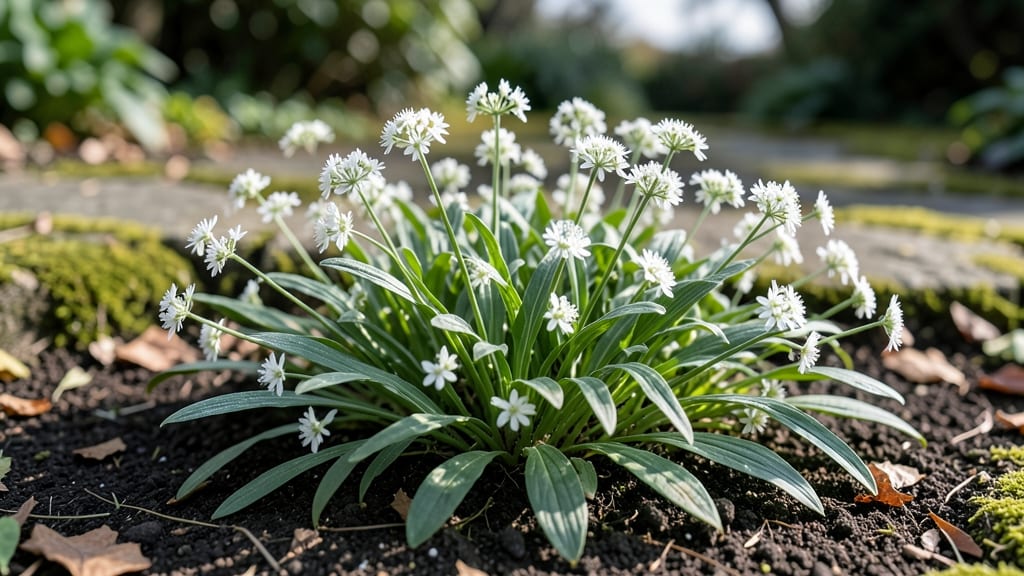
How to grow sweet woodruff transforms shady spots into fragrant gardens. 🌿 I've grown this delicate ground cover for years, and its vanilla-scented leaves make every step through the garden feel like a little escape. The secret lies in its love for cool, moist shade—perfect for under trees or along north-facing walls where other plants struggle.
You'll need well-draining soil (even if it's rich in organic matter), partial to full shade, and patience—this plant spreads slowly but reliably. Start with divisions from established plants (seeds are finicky) and space them about 12 inches apart.
Water gently after planting, keeping the soil consistently moist but never soggy during its first growing season.
By summer, you'll see lush, heart-shaped leaves carpeting the ground, their scent strongest when crushed. The delicate white flowers appear in late spring, followed by red berries that birds adore.
Prune back any browned foliage in early spring to encourage fresh growth, and watch as your shady garden becomes a fragrant retreat.
Works beautifully in woodland gardens, under fruit trees, or as a living mulch. Even in hotter climates, it thrives as long as afternoon shade is provided. Here's how to keep it looking its best year after year!
📚 In This Guide
- What you need
- Instructions
- Tips and common mistakes
- Wrapping up and next steps
What you need
- ● Sweet woodruff plants: 3–5 healthy nursery-grown plants (or seeds, if starting from scratch). Look for certified organic options if possible!
- ● Well-draining soil: A mix of 60% topsoil, 30% compost, and 10% perlite/sand (sweet woodruff hates soggy roots!). Aim for a pH of 6.0–7.0.
- ● Shady spot: Partial to full shade (dappled sunlight is ideal). Avoid harsh afternoon sun!
- ● Mulch: 2–3 inches of wood chips or shredded leaves to retain moisture and suppress weeds.
- ● Watering can or hose: With a gentle spray nozzle for even hydration.
- ● Garden gloves: To protect your hands while planting or pruning.
- ○ Pruners (optional but helpful): Sharp, clean bypass pruners for trimming.
- ● Slow-release fertilizer: A balanced, organic option (like 10-10-10) applied once in early spring.
- ● Compost tea: A foliar spray to boost soil microbes and plant health.
- ● Edging stones: To define garden beds and keep sweet woodruff contained.
- ● Drip irrigation system: For automated, low-stress watering in larger gardens.
- ● Neighborhood friends: Sweet woodruff spreads easily—share divisions with fellow plant lovers!
Step-by-step instructions for planting sweet woodruff
Sweet woodruff thrives in shade and spreads beautifully—here's how to get it growing strong.
🌱 Step 1: Choose the Right Location and Prepare Soil
Sweet woodruff loves partial to full shade and moist, well-draining soil. Pick a spot that gets no more than 4 hours of direct sun daily, like under trees or along north-facing walls. The soil should be rich in organic matter—work in a 2-3 inch layer of compost or aged manure before planting.
This fragrant ground cover spreads quickly, so space plants 12-18 inches apart in rows 18-24 inches apart for a dense carpet. If planting in an existing garden, loosen the soil 6-8 inches deep to encourage root growth. Avoid heavy clay—amend with peat moss or perlite if drainage is poor.
🌿 Step 2: Plant Cuttings or Divide Established Clumps
Sweet woodruff spreads via runners, so you’ll likely plant cuttings or divisions rather than seeds. Dig a 1-inch-deep hole for each cutting or small clump, spacing them as noted above. Gently tease apart roots if planting divisions to encourage spreading.
Place the cutting or clump in the hole, ensuring the top of the root ball sits just below soil level. Press soil firmly around the roots to remove air pockets, then water deeply until moisture reaches 3-4 inches down. Avoid disturbing the soil surface—this plant dislikes being moved once established.
💧 Step 3: Water and Mulch for Moisture Retention
Keep the soil consistently moist but not soggy for the first 4-6 weeks—water when the top 1-2 inches of soil feel dry. Sweet woodruff tolerates some drought once established, but young plants need steady moisture to root well. Water at the base, avoiding leaves to prevent fungal issues.
Apply a 2-3 inch layer of mulch (shredded bark or leaves work well) to retain moisture and suppress weeds. Refresh the mulch annually in spring. This plant thrives in humus-rich soil, so a light top-dressing of compost in early spring keeps it lush and fragrant.
✂️ Step 4: Maintain and Encourage Spread
Sweet woodruff spreads aggressively but isn’t invasive—it stays contained in shady areas. If growth slows, divide clumps in early spring or fall to refresh vigor. Simply dig up a section, replant it nearby, and water well. It handles this process beautifully.
Deadhead spent flowers in late spring to redirect energy into foliage growth. In late fall, trim back any leggy stems to keep the plant tidy. This ground cover is low-maintenance once established—just enjoy its vanilla-like scent when crushed and its lush, mounded habit.
Tips & tricks for perfect sweet woodruff planting
Sweet woodruff is one of those plants that rewards patience—here's how to set it up for success from day one.
Location is Everything: That "no more than 4 hours of direct sun" rule is critical. I've planted mine under a large oak where it gets morning sun and afternoon shade, and the growth is lush and fragrant. Watch for hot afternoon sun—it can scorch the leaves even if total sun exposure is within limits. A north-facing wall or the base of evergreens works beautifully too.
Soil Prep Makes All the Difference: Don't skimp on the compost! Work that 2-3 inch layer deep into the soil, especially if you're dealing with heavy clay. I've seen sweet woodruff struggle in amended soil that still had compacted layers underneath. For extra insurance, mix in a handful of perlite with your compost to improve drainage—this plant hates soggy roots. The goal is light, airy soil that holds moisture without becoming waterlogged.
Planting Depth Matters More Than You Think: That 1-inch planting depth might seem shallow, but it's perfect for encouraging those surface runners that create that dense carpet. If you plant too deep, the plant will struggle to spread. When pressing soil around the roots, use your hands—not a shovel—to avoid compacting the soil and creating air pockets. Think of it like tucking in a cozy blanket around the roots.
Watering Wisdom: The first 4-6 weeks are when you'll need to be most vigilant about moisture. I set up a simple drip irrigation system for my new plantings—it delivers consistent moisture without wetting the leaves. Watering at the base with a gentle stream also helps prevent fungal issues. Once established, sweet woodruff becomes quite drought-tolerant, but those early weeks are make-or-break for root development.
Pro Tips for Grow Sweet Woodruff
- Sweet woodruff is one of those plants that rewards patience—here's how to set it up for success from day one.
- Location is Everything: That "no more than 4 hours of direct sun" rule is critical.
- Soil Prep Makes All the Difference: Don't skimp on the compost!
Frequently asked questions
Can sweet woodruff grow in full sun?
Sweet woodruff thrives in partial to full shade—direct sun can scorch its delicate leaves and reduce its signature fragrance. If your garden has no shade, plant it near trees or structures where it gets morning sun and afternoon shade. For full-sun spots, consider shade-tolerant alternatives like Lamium or Hosta.
How long does it take for sweet woodruff to spread?
This hardy ground cover spreads slowly but steadily—expect it to fill a 10x10 ft area in 2–3 years under ideal conditions (moist, shaded soil). Patience pays off! For faster coverage, divide mature clumps every 3–4 years or plant in dense clusters. Pro tip: Mulch lightly to suppress weeds and encourage root growth.
What pests or diseases should I watch for?
Sweet woodruff is pest-resistant, but watch for slugs (they love tender new shoots) and powdery mildew in humid climates. Improve airflow by spacing plants 12–18 inches apart, and handpick slugs at dawn. For mildew, avoid overhead watering—water at the base instead. Fun fact: Its scent deters many pests naturally!
Can I grow sweet woodruff in containers?
Yes! Sweet woodruff does well in wide, shallow containers (12+ inches deep) with well-draining soil. Choose containers with drainage holes and place them in partial shade. Refresh the soil annually with compost, and expect slower growth than in-ground plantings. Bonus: Its trailing habit makes it perfect for hanging baskets!
Is sweet woodruff safe for pets or kids?
Sweet woodruff is non-toxic to humans, dogs, and cats, making it a pet-friendly choice! However, its leaves contain coumarin, which can cause mild stomach upset if ingested in large amounts. While rare, keep an eye on curious pets nibbling fresh clippings. Always supervise young children playing near plants.
Wrapping up and next steps
Growing sweet woodruff is a rewarding way to add a fragrant, low-maintenance ground cover to your shady garden. With the right soil, partial shade, and patience, this delicate plant will thrive and fill your space with a sweet vanilla-like scent—especially when crushed.
Whether you’re using it as a living mulch, in containers, or as a border, the key is consistency in care and a little creativity in placement.
Ready to transform your garden? Start small—plant a few patches this season, observe how they grow, and expand as you gain confidence. Soon, you’ll have a lush, aromatic carpet that’s as beautiful as it is functional. Happy gardening! 🌿✨