
How To
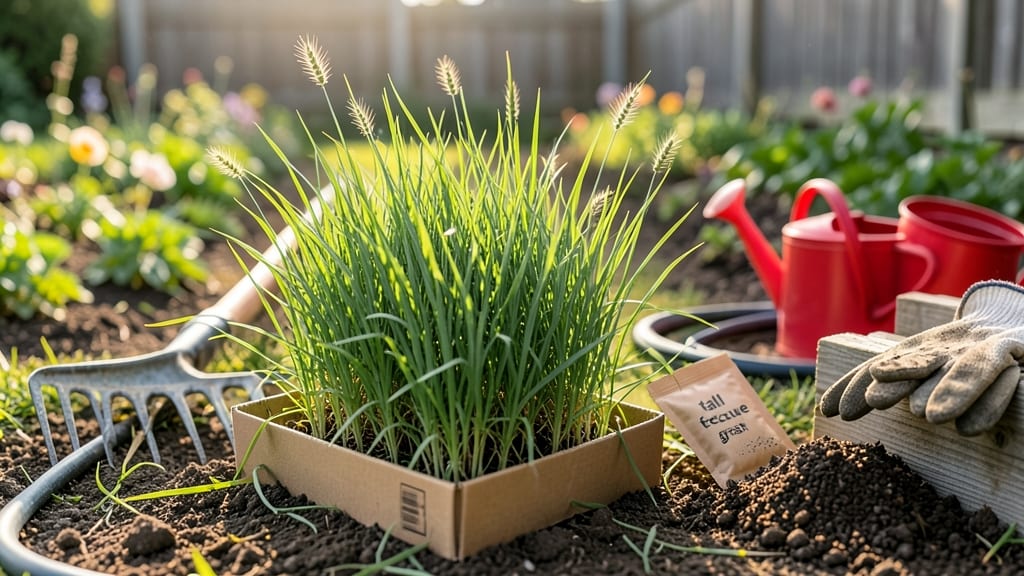
How to grow tall fescue grass transforms bare patches into lush, durable turf that crowds out weeds naturally. 🌱 The secret lies in the right soil prep, seeding timing, and watering routine—none of which require fancy equipment. I’ve used this method to fix my shady lawn patches, and the results speak for themselves: thick grass that stays green even when others brown. Start with a clean, level area and loosen the top 4 inches of soil. Spread seed evenly (about 5-8 lbs per 1,000 sq ft) and lightly rake it in. Keep the soil consistently moist but not soggy for the first 3-4 weeks—this is where most beginners fail. Once established, tall fescue thrives on less water and handles foot traffic like a champ.
📚 In This Guide
- What you need
- Instructions
- Tips and common mistakes
- Wrapping up and next steps
What you need
- ● Tall fescue grass seed: Choose a high-quality blend (e.g., 100% Kentucky 31 or a modern hybrid like ‘Titan’ or ‘Barlexas’). Aim for 5-8 lbs per 1,000 sq ft for new lawns.
- ● Soil test kit: Test your soil’s pH (ideal range: 6.0–7.0) and nutrient levels before planting.
- ○ Topsoil or compost: At least 2–4 inches to improve drainage and fertility (optional if soil is already rich).
- ● Lawn roller (100–150 lbs): For firming seed-to-soil contact after planting.
- ● Rake (bow or leaf rake): To level soil and create a fine seedbed.
- ● Spreaders (broadcast or drop): For even seed distribution (manual or walk-behind models work).
- ● Watering system: Hose with a fine mist nozzle or sprinkler for gentle watering.
- ● Fertilizer (starter blend): Look for high phosphorus (P) (e.g., 5-10-10 ratio) to encourage root growth.
- ● Mulch or straw: Light layer (¼ inch) to retain moisture and protect seeds from birds.
- ● Soil amendments: Lime (if pH is
- ● Pre-emergent herbicide: Apply 4–6 weeks before seeding to block weeds (check for tall fescue-safe brands).
- ● Lawn aerator (core or spike): For established lawns needing seed overseeding.
- ● Soil thermometer: Ensure soil temps are 55–75°F before planting (ideal for germination).
- ● Lawn mower (with high setting): Set to 3–4 inches once grass reaches 3 inches tall.
Step-by-Step instructions for growing tall fescue grass
Here's how to establish a thick, weed-resistant lawn that stays green even in heat.
🌱 Step 1: Test and Prepare Your Soil
Tall fescue thrives in soil with a pH between 6.0 and 7.0. Grab a soil test kit from your local garden center and follow the instructions to measure your yard's pH. If your soil tests below 6.0, mix in dolomitic lime to raise the pH gradually—this takes 2-3 months to take effect, so plan ahead.
Once the pH is right, loosen the top 4-6 inches of soil with a rototiller or garden fork. Break up any compacted areas to create a fluffy bed for seeds. If your soil feels sandy, blend in 2-3 inches of compost to improve water retention. You'll know you're ready when the soil crumbles easily between your fingers and holds moisture without becoming soggy.
🌱 Step 2: Choose the Right Time and Seed
Plant tall fescue seeds in early fall when soil temperatures are 60-70°F—this gives roots time to establish before winter. Avoid spring planting, as summer heat will stress young seedlings. Purchase high-quality tall fescue seed with a cool-season blend labeled for your region, as this ensures better drought and shade tolerance.
Spread a light layer of starter fertilizer (with 10-20-10 NPK ratio) over the prepared soil. Use a broadcast spreader for even coverage, then lightly rake it in. This step primes the soil for germination and gives seedlings a nutrient boost right from the start. Water the area lightly to settle the fertilizer without washing it away.
💧 Step 3: Plant and Water for Germination
Scatter the tall fescue seeds evenly over the prepared soil, aiming for 8-12 pounds per 1,000 square feet. Use a spreader set to the recommended rate for your seed packet. Lightly rake the seeds into the soil—just enough to cover them with ¼ inch of dirt. This prevents seeds from drying out or washing away while still allowing sunlight to reach them.
Keep the soil consistently moist (not soggy) for the first 2-3 weeks—this is critical for germination. Water lightly twice daily if rain doesn’t occur, using a sprinkler or hose with a gentle spray nozzle. You’ll see the first green shoots in 7-14 days. Once seedlings reach 2 inches tall, reduce watering to once daily to encourage deeper root growth.
☀️ Step 4: Maintain for Thick, Weed-Resistant Turf
Once the grass reaches 3-4 inches tall, mow it to 3-4 inches using a sharp mower blade. Tall fescue grows best when left slightly taller than other grasses, as this shades out weeds and retains moisture. Always mow when the grass is dry to avoid clumping and disease. Bag the clippings for the first few mows to prevent thatch buildup.
Apply a slow-release nitrogen fertilizer (like 24-0-5) in early spring and late fall to keep the grass lush without burning. Water 1 inch per week during dry spells, focusing on deep, infrequent watering to encourage deep roots. You’ll know your lawn is thriving when it feels soft underfoot, resists weeds, and stays green even in 90°F heat.
✂️ Step 5: Overseed and Aerate Annually
In early fall, aerate the lawn with a core aerator to relieve soil compaction. This step is non-negotiable—compacted soil chokes out grass roots and invites weeds. After aerating, spread 1-2 pounds of new seed per 1,000 square feet over bare spots and thin areas. Lightly rake the seeds into the soil and water gently to help them establish.
Overseeding fills in gaps and thickens the turf naturally. You’ll see new growth in 10-14 days, and by spring, your lawn will look fuller and more uniform. This annual ritual keeps weeds at bay and ensures your tall fescue stays dense and vibrant year after year.
Tips & tricks for perfect tall fescue lawn growth
Here's what I learned from years of growing thick, weed-resistant tall fescue—tricks that make all the difference between a patchy lawn and a lush carpet.
Soil Prep is Everything: Don't rush the soil preparation in Step 1. I've seen people skip the pH test and wonder why their grass struggles—tall fescue needs that 6.0-7.0 pH range to thrive. If your soil tests below 6.0, dolomitic lime takes 2-3 months to adjust pH, so plan ahead. Pro tip: Mix in 2-3 inches of compost if your soil feels sandy—this improves water retention and gives seedlings a better start. The soil should feel like a damp sponge when you squeeze it.
Timing Matters More Than You Think: Planting in early fall when soil temperatures are 60-70°F (Step 2) gives seedlings time to establish roots before winter. I've tried spring planting and always regretted it—the summer heat stresses young grass. Use a soil thermometer to confirm temperatures before seeding. Also, avoid planting when frost is forecasted—seeds need stable conditions to germinate.
Watering Wisdom: The 2-3 weeks of consistent moisture in Step 3 is non-negotiable. I recommend watering lightly twice daily with a sprinkler that delivers a gentle mist—this mimics natural rainfall. You'll see those first green shoots in 7-14 days, but don't let the soil dry out during this critical period. Once seedlings reach 2 inches tall, switch to once daily watering to encourage deeper root growth. A good rule of thumb: If you can push a screwdriver into the soil 6 inches deep, you're watering enough.
Mowing Maintenance: Wait until your tall fescue reaches 3-4 inches tall before first mowing (Step 4), then maintain that height. I can't emphasize enough how important it is to use a sharp mower blade—dull blades tear grass instead of cutting cleanly, which stresses the plants. Always mow when the grass is dry to prevent clumping, and bag those first few mowings to avoid thatch buildup. The longer blades help shade out weeds naturally, which is why tall fescue stays so weed-resistant.
Pro Tips for Grow Tall Fescue Grass
- Here's what I learned from years of growing thick, weed-resistant tall fescue—tricks that make all the difference between a patchy lawn and a lush carpet.
- Soil Prep is Everything: Don't rush the soil preparation in Step 1.
- Timing Matters More Than You Think: Planting in early fall when soil temperatures are 60-70°F (Step 2) gives seedlings time to establish roots before winter.
Frequently asked questions
Got questions about growing tall fescue grass? You’re not alone—this hardy grass has its quirks! Here are answers to the most common concerns, from timing to troubleshooting, so you can grow a lush, weed-resistant lawn with confidence.
How long does it take for tall fescue to establish?
Patience is key! Tall fescue typically takes 4–6 weeks to show noticeable growth after seeding, with full establishment in 6–12 months, depending on climate and care. Overseeding in fall speeds up the process—cooler temps boost root development. Pro tip: Avoid heavy foot traffic until the grass reaches 3–4 inches tall to prevent erosion.
Can I plant tall fescue in summer?
Not ideal! Tall fescue thrives in cool-season climates and prefers spring or fall planting (4–6 weeks before first frost). Summer heat stresses seedlings, leading to poor germination. If you must plant in summer, use shade cloth and keep soil moist until cooler temps arrive. Alternative: Overseed in late summer for a head start in spring.
Why is my tall fescue patchy or dying?
Patchiness often signals thatch buildup, poor drainage, or pests. First, check for:
- Thatch layer > ½ inch: Aerate and dethatch to improve airflow.
- Grubs or chinch bugs: Apply grub control in early summer.
- Fungal diseases: Reduce watering and improve drainage.
If soil is compacted, core aeration in fall can revive growth. Quick fix: Overseed bare spots with fresh seed and top-dress with compost.
Is tall fescue more expensive than other grasses?
Not necessarily! While tall fescue seeds cost $0.50–$2 per pound, its low maintenance (drought tolerance, shade adaptability) saves money long-term. Compare:
Grass Type
Initial Cost
Long-Term Cost
Tall Fescue
$0.50–$2/lb
Low (drought-resistant)
Kentucky Bluegrass
$1–$3/lb
High (needs frequent water/fertilizer)
Bermuda Grass
$1.50–$4/lb
Moderate (heat-loving but invasive)
Savings hack: Buy seed in bulk or mix with clover for nitrogen savings!
Does tall fescue stay green in winter?
Yes! Tall fescue is cold-hardy (USDA Zones 4–9) and stays green in mild winters. In freezing temps (<20°F), it may turn brown but bounces back in spring. Avoid walking on frozen grass to prevent damage. Bonus: Its deep roots prevent soil erosion during winter thaw.
Wrapping up and next steps
Growing tall fescue grass is a rewarding way to create a lush, low-maintenance lawn that crowds out weeds naturally. By choosing the right seed, preparing your soil, and following proper watering and care techniques, you’ll enjoy a resilient turf that thrives year after year. Don’t wait—start your project today!
Ready to transform your yard? Mark your calendar for the next planting window (spring or early fall) and gather your supplies. With patience and consistency, your dream lawn is just a few steps away! 🌱