
How To
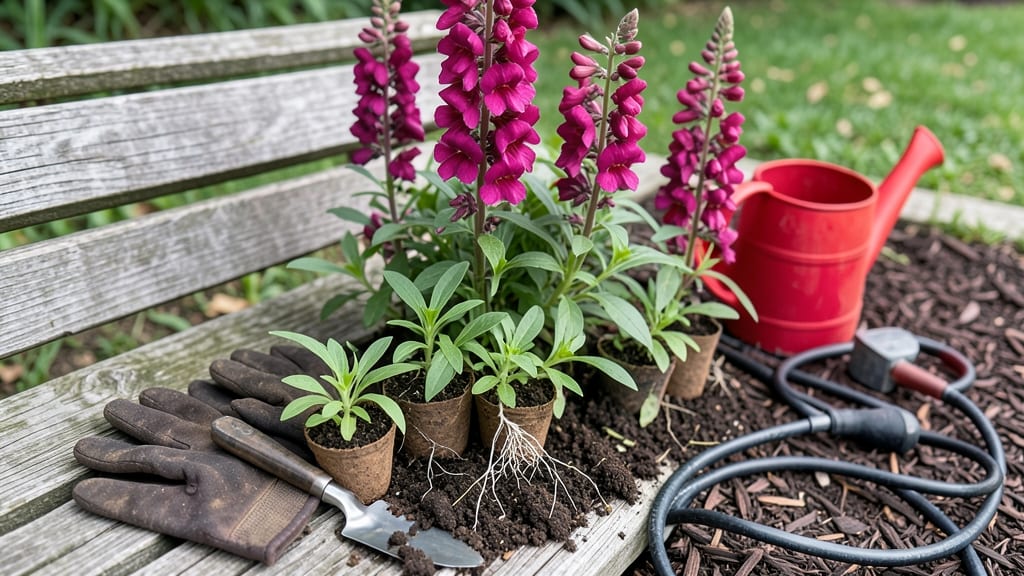
How to grow tall snapdragons reaching for the sky—this is the moment every gardener dreams of. 🌿 I’ve grown these dramatic spikes for years, and the secret to their towering height isn’t just good soil or sunshine—it’s the right spacing and staking technique that keeps them upright without flopping.
Start with seeds or transplants in well-drained soil and full sun, but here’s the game-changer: plant them 12–18 inches apart in rows spaced 18–24 inches apart. This gives their deep roots room to anchor while leaving space for airflow.
Once they hit 12–18 inches tall, add bamboo stakes or tomato cages to support them—before they get top-heavy with blooms. Prune spent flowers to encourage more vertical growth and prevent legginess.
📚 In This Guide
- What you need
- Instructions
- Tips and common mistakes
- Wrapping up and next steps
What you need
- ● Snapdragon seeds: Choose tall varieties like ‘Dragon Wing’ or ‘Rocket’ (1–2 packets, ~50–100 seeds).
- ● Well-draining potting mix: 5–10 gallons (for containers) or enrich garden soil with compost (2–3 inches).
- ● Containers or garden bed: Containers: 12+ inch pots (1–2 per plant) or raised beds (12–18 inches deep).
- ● Garden beds: Full sun (6+ hours/day) with loose, fertile soil.
- ● Watering can or hose: With a gentle spray nozzle for seedlings.
- ● Fertilizer: Balanced 10-10-10 or slow-release organic fertilizer (follow package rates).
- ● Stakes or trellis: 18–24 inch bamboo stakes or tomato cages (1 per plant).
- ● Garden twine: 1–2 feet per stake (for securing plants).
- ● Hand trowel or transplanting tool: For digging and spacing seeds.
- ○ Pruners or scissors: For deadheading and trimming (optional but helpful!).
- ● Mulch (straw or shredded leaves) to retain moisture.
- ● Seedling heat mat (for indoor starts).
- ● Grow lights (if starting seeds early indoors).
- ● Plant markers (to track varieties).
Tips & tricks for growing towering snapdragons
These small tweaks make all the difference between snapdragons that flop and ones that reach for the sky.
Germination Precision: The 60-65°F temperature range for germination is critical—any hotter, and seeds may rot; cooler, and they’ll take longer than the 7-14 days specified. I use a seedling heat mat set to 62°F for consistent results. Once sprouts appear, remove the plastic wrap immediately to prevent fungal growth, even if it means losing a day of humidity.
Harden Off Strategically: During the 7-10 day hardening process, I start with just 1 hour outside on day one, then add 30 minutes each subsequent day. This gradual approach prevents shock—plants that go from shade to full sun too quickly often develop sunburned leaves. Watch for slight wilting as a sign to slow down the exposure increase.
Staking Technique: When installing those 5-foot bamboo stakes, I drive them at a 45-degree angle rather than straight up. This creates a natural cradle that supports the plant's weight better as it grows. The 6-inch depth is non-negotiable—shallow stakes will topple in wind or when heavy with blooms. Use floral tape instead of twine for ties; it's gentler on stems and won't need replacing as often.
Pruning Timing: The 2-3 week window after pinching at 6-8 inches is perfect for side shoots to develop, but don't wait until they're taller than your hand—this reduces flowering potential. I use clean, sharp pruners and make cuts at a 45-degree angle just above a leaf node. This angled cut prevents water from pooling and causing rot at the pruning site.
Pro Tips for Grow Tall Snapdragons
- These small tweaks make all the difference between snapdragons that flop and ones that reach for the sky.
- Germination Precision: The 60-65°F temperature range for germination is critical—any hotter, and seeds may rot; cooler, and they’ll take longer than the 7-14 days specified.
- Harden Off Strategically: During the 7-10 day hardening process, I start with just 1 hour outside on day one, then add 30 minutes each subsequent day.
Frequently asked questions
Got questions about growing tall snapdragons to their full potential? You’re not alone! Here are some of the most common queries—and their straightforward answers—to help you cultivate those towering, show-stopping blooms with confidence.
How close together can I plant snapdragons for tall growth?
Snapdragons need space to stretch! Plant them 10–12 inches apart in rows spaced 18–24 inches apart. Crowding them too closely can lead to leggy, weak stems and fewer blooms. If you’re short on space, opt for dwarf varieties like ‘Tombstone’ or ‘Matrix’—they’re compact but still stunning!
When is the best time to stake snapdragons for height?
Stake them early and often! Insert stakes (bamboo or spiral) at planting time—about 12–18 inches deep—and gently tie the stems with soft plant ties or old fabric strips as they grow. Wait until they’re 6–8 inches tall to avoid damaging the roots. Pro tip: Use two stakes per plant for extra support if your snapdragons are in a windy spot!
Why are my snapdragons growing tall but not flowering?
Tall stems without blooms usually mean one of three things:
- Too much nitrogen—focus on a balanced fertilizer (like 10-10-10) to encourage flowers.
- Not enough sunlight—snapdragons need 6+ hours of direct sun daily to trigger blooming.
- Overcrowding or stress—thin plants or check for pests (like aphids) that sap energy.
Can I grow snapdragons in containers for height?
Choose deep containers (at least 12 inches tall) with drainage holes and a well-draining potting mix. Use a trellis or tomato cage for support, and plant just 3–4 seeds per container to avoid competition. Varieties like ‘Black Knight’ or ‘Rocket’ thrive in pots and reach impressive heights!
What pests should I watch for with tall snapdragons?
Keep an eye out for:
- Aphids (clustered on new growth)—blast them off with water or use insecticidal soap.
- Slugs/snails (chewed leaves)—set beer traps or use diatomaceous earth.
- Spider mites (tiny webs on undersides)—spray with neem oil if you spot them.
Bonus: How can I make my snapdragons bloom longer?
Extend your snapdragon’s show by:
- Deadheading daily to encourage new flowers.
- Watering at the base (not overhead) to prevent fungal issues.
- Fertilizing lightly every 3–4 weeks with a bloom booster (like 5-10-5).
- Planting in cool seasons—snapdragons thrive in spring/fall and often rebloom if cut back after frost.
Wrapping up and next steps
Growing tall snapdragons is all about patience, proper spacing, and a little extra support!
With the right soil, sunlight, and staking techniques, you’ll soon be rewarded with stunning, towering blooms that brighten up your garden. 🌸 Don’t forget to deadhead spent flowers and monitor for pests to keep your plants thriving.
Ready to take the next step? Try experimenting with different varieties or even share your snapdragon-growing tips with fellow gardeners—your green thumb might inspire others! Happy planting! 🌱