
Companion Plants
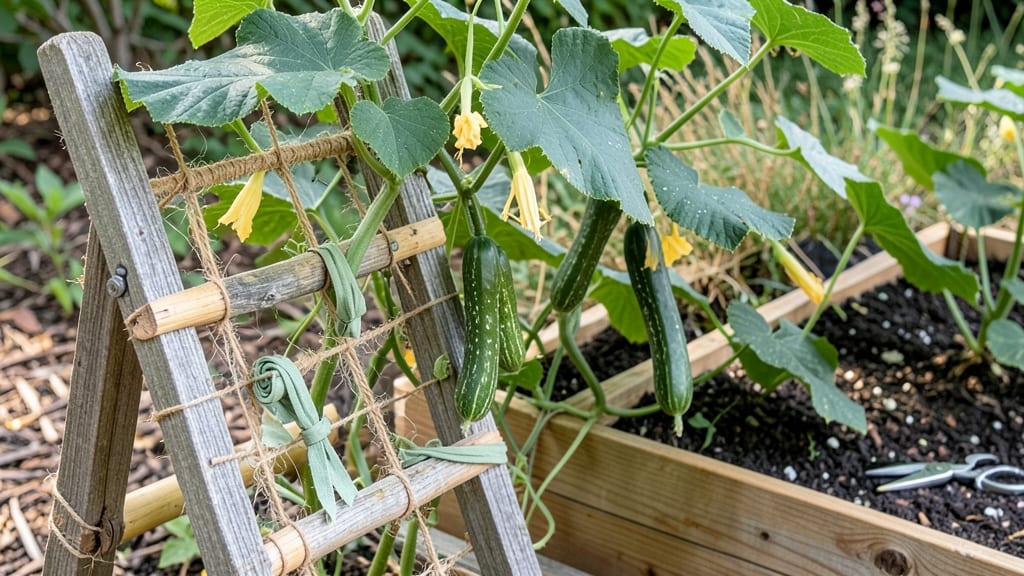
Hanging cucumber plants saved my tiny balcony from looking like a jungle. 🌱 The vines stretch upward instead of sprawling, giving you more space for tomatoes or herbs below—and cucumbers that stay cleaner and healthier too.
You’ll need a sturdy trellis or string system, some strong twine, and cucumber varieties bred for vertical growth like 'Little Leaf' or 'Spacemaster'. The key is planting near the support so vines can climb immediately, and tying them gently as they grow.
Most people forget to prune side shoots, which wastes energy better spent on fruit.
By midseason, your cucumbers will be hanging neatly off the trellis instead of rotting on the ground. Airflow keeps diseases at bay, and harvesting becomes a breeze—no more bending or crawling. The first few cucumbers appear in about 50-60 days, and the plants keep producing all summer long.
Works for containers, balconies, or even small yards. Just avoid heavy varieties like 'Straight Eight'—they’ll break the trellis. Let’s get those vines climbing!
📚 In This Guide
- What you need
- Instructions
- Tips and common mistakes
- Wrapping up and next steps
What you need
- ● Cucumber plants: 1-3 healthy seedlings or seeds (depending on space). Choose bush or vining varieties like 'Straight Eight' or 'Marketmore'.
- ● Trellis or hanging system: Option 1: A freestanding A-frame trellis (4-6 ft tall, sturdy metal or wooden frame).
- ● Option 2: A wall-mounted trellis (use L-brackets or hooks for secure attachment).
- ● Option 3: A hanging basket or sling (12-18 inches deep, with drainage holes).
- ● Option 4: A DIY vertical pallet planter (wooden pallet + chicken wire or netting).
- ● Growing medium: 1-2 bags of lightweight potting mix (or compost + perlite mix for DIY). Avoid heavy garden soil.
- ● Support materials: Soft garden twine or jute twine (10-15 ft, ¼-inch thickness).
- ● Or plant ties (reusable fabric strips, 6-10 pieces).
- ● Containers (if not using trellis): 1-3 5-gallon fabric grow bags or plastic pots with handles (for hanging).
- ● Fertilizer: Balanced liquid fertilizer (e.g., 10-10-10) or compost tea for organic options.
- ● Pruning shears: Small, sharp pair for trimming vines.
- ● Watering can or hose with gentle spray nozzle: For even moisture without damaging vines.
- ● Mulch: Straw or shredded leaves to retain moisture and suppress weeds.
- ● Shade cloth: Lightweight (30-50%) for hot climates to protect young plants.
- ● Drip irrigation kit: Automates watering for consistent growth.
- ● Plant markers: Labels to track varieties if growing multiple types.
- ● Epsom salt: (1 tbsp per gallon of water) for magnesium boost during flowering.
- ● Companion plants: Basil, radishes, or marigolds to deter pests naturally.
Tips & tricks for perfect vertical cucumber growth
Transforming cucumber vines into a vertical garden isn't just about saving space—it's about maximizing yield while preventing common pitfalls that derail even experienced gardeners.
Support System Stability: When securing your 3-foot-tall A-frame trellis or 18-inch hanging baskets, double-check that galvanized hardware is properly tightened before planting. I learned this the hard way when a loose trellis collapsed under a single 1-pound cucumber—now I always test stability by gently shaking the structure before adding plants. For balconies, use heavy-duty hooks rated for 20+ pounds rather than standard curtain hooks, which can't handle the weight. The extra few minutes now prevents potential disaster later.
Light Optimization: The 6+ hours of full sun requirement is non-negotiable, but not all sun is equal. Position your vertical setup to capture morning sun (cooler, less intense) and afternoon sun (warmer, more direct). If using reflective surfaces like white walls or aluminum foil, you can effectively increase sunlight exposure by 20-30%, especially in urban areas with limited space. South-facing walls are ideal, but east-facing works too—just rotate your trellis to follow the sun's arc throughout the day.
Pruning Precision: In Step 2, when pruning side shoots below the first 6-8 inches, use your thumb and forefinger to gently pinch rather than cutting with shears. This prevents unnecessary damage to the main stem. For the 12-inch intervals when securing vines, I recommend using jute twine instead of plastic ties—it's biodegradable and allows the vine to thicken naturally without constriction. The key is to tie loosely enough that you can fit two fingers between the twine and the vine stem.
Season Extension Strategy: When temperatures drop below 50°F, move hanging baskets to sheltered areas during the day if possible—they'll warm up faster in direct sunlight than trellis plants. For frost protection at 32°F, use frost cloth with clips instead of plastic sheeting, which traps too much moisture and can promote fungal growth. I've found that removing covers by 10 AM allows plants to photosynthesize properly while still protecting them overnight.
Pro Tips for Hang Cucumber Plants
- Transforming cucumber vines into a vertical garden isn't just about saving space—it's about maximizing yield while preventing common pitfalls that derail even experienced gardeners.
- Support System Stability: When securing your 3-foot-tall A-frame trellis or 18-inch hanging baskets, double-check that galvanized hardware is properly tightened before planting.
- Light Optimization: The 6+ hours of full sun requirement is non-negotiable, but not all sun is equal.
Frequently asked questions
Got questions about hanging cucumber plants? You’re not alone! Here are answers to the most common concerns—from timing to troubleshooting—to help you grow like a pro.
When is the best time to hang cucumber plants?
Hang cucumbers after they’ve sprouted 2–3 true leaves (about 4–6 weeks post-planting). This ensures roots are established but vines aren’t too heavy yet. For trellises, wait until vines reach 12–18 inches tall to avoid snapping tender stems. Pro tip: Early morning is ideal—plants are hydrated and less stressed!
What if my cucumbers fall off the trellis?
This usually means the vines are overloaded or the support isn’t sturdy enough. Fix it: Prune excess leaves/fruit to lighten the load, or reinforce the trellis with ties (use soft fabric strips, not wire). If vines are too heavy, consider a stronger trellis (e.g., metal cages or A-frame structures) for next time. Bonus: Harvest frequently to encourage more climbing!
Can I hang cucumbers in containers or small spaces?
Use compact varieties like ‘Bush Champion’ or ‘Spacemaster’ and hang them from window boxes, balcony railings, or even a sturdy hook in a 5-gallon bucket. Just ensure the container has drainage and the trellis is secured to the rim. Space hack: Pair with dwarf beans or nasturtiums for a vertical companion-planting combo!
How often should I water hanging cucumber plants?
Hanging cucumbers dry out faster—check soil moisture daily during hot spells. Water at the base (not overhead) to prevent fungal issues, and aim for 1–1.5 inches per week. Morning watering is best to reduce evaporation. Warning: Yellowing leaves? You’re likely underwatering or overwatering—adjust based on soil feel (stick your finger in!).
What if my cucumbers grow but won’t climb?
Lazy vines often mean lack of support, poor training, or weak stems. Try this:
- Guide them gently with twine or your hands onto the trellis.
- Ensure the trellis is within 6–12 inches of the plant.
- Check for pests (like aphids) weakening the vines.
- Use a fan to encourage upward growth if humidity is high.
Wrapping up and next steps
Hanging cucumber plants isn’t just a clever way to save space—it’s a game-changer for maximizing your garden’s potential! 🌱 With the right setup, sturdy trellis, and a little patience, you’ll enjoy a bountiful harvest while keeping your vines healthy and organized.
Whether you’re a seasoned gardener or a beginner, this method makes growing cucumbers easier and more rewarding.
Now that you’re ready to hang those vines, why not take the next step? Try pairing your cucumbers with companion plants like beans or radishes to boost growth and deter pests. Happy gardening!