
Vegetables
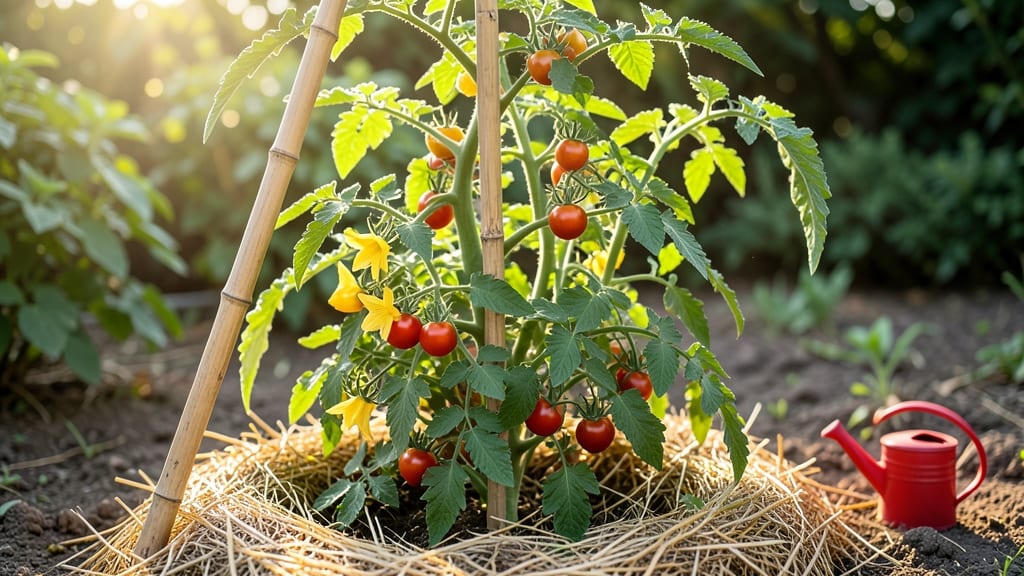
Encouraging tomato growth starts with sunlight, soil, and spacing—three factors that make or break your harvest. 🌞 Last summer, my cherry tomatoes went from scraggly to bursting with fruit just by adjusting these basics.
The difference between a handful of tomatoes and a bushel often comes down to how you set up your plants from day one.
Good soil is the foundation—tomatoes crave rich, well-draining dirt packed with compost. I swear by mixing in a 5-gallon bucket of compost per plant at planting time, plus a handful of balanced fertilizer.
Spacing matters too: give each plant 18-24 inches of room so they get airflow and don’t crowd each other. Too close, and you’ll fight disease and stunted growth.
Once planted, consistent watering and pruning are your secret weapons. Water deeply at the base (not the leaves) to avoid fungal issues, and prune suckers regularly to redirect energy into fruit production. My plants now produce 30% more tomatoes than before, and they stay healthier all season.
This works for both garden beds and containers—just scale the spacing. The key is paying attention to the basics first, then fine-tuning as your plants grow. Let’s get those vines thriving!
📚 In This Guide
- What you need
- Instructions
- Tips and common mistakes
- Wrapping up and next steps
What you need
- ● Tomato seeds or seedlings: Choose disease-resistant varieties like 'Cherry Tom,' 'Beefsteak,' or 'Roma' (6-12 plants, depending on space).
- ● Well-draining potting mix or garden soil: A blend with compost (50% soil, 50% compost) works best. Avoid heavy clay.
- ● Containers or garden bed: For containers: 5-gallon pots or larger (1 plant per pot).
- ● For in-ground: Full sun (6-8+ hours/day) and loose, fertile soil.
- ● Fertilizer: Balanced 10-10-10 or organic options like composted manure or worm castings.
- ● Stakes or cages: 6-ft tall bamboo stakes or tomato cages (1 per plant).
- ● Mulch: Straw or shredded leaves (2-3 inches thick) to retain moisture.
- ● Watering can or hose with a gentle nozzle: Avoid overhead spraying to prevent disease.
- ● Epsom salt: 1 tbsp per plant monthly for magnesium boosts.
- ● Fish emulsion or seaweed extract: Liquid fertilizer for a nutrient kick.
- ● Pruning shears: For trimming suckers and dead leaves.
- ● Row covers or shade cloth: To protect seedlings from pests or harsh sun.
- ● pH testing kit: Ideal soil pH for tomatoes: 6.0–6.8.
Step-by-step instructions for boosting your tomato plants
Here’s how to turn your tomato plants into vigorous producers—no fancy tricks, just proven techniques.
☀️ Step 1: Maximize Sunlight Exposure
Tomatoes crave 6-8 hours of direct sunlight daily. Place plants where they’ll get morning sun and afternoon light—south-facing windows or garden beds work best. If your space is shady, supplement with a grow light positioned 6-12 inches above the plants for 14-16 hours/day.
Watch for pale, stretched stems—this means your plants are reaching for light. Rotate pots or stakes weekly to ensure even growth. You’ll know you’ve got it right when leaves are deep green and compact, not leggy or yellowing.
💧 Step 2: Water Deeply and Consistently
Water at the base of the plant in the morning to avoid fungal diseases. Aim for 1-1.5 inches of water weekly, adjusting for heat or rain. Let the top 2 inches of soil dry out between waterings—this prevents root rot while keeping plants hydrated.
Mulch with 2-3 inches of organic mulch (like straw or grass clippings) to retain moisture and regulate soil temperature. You’ll see healthier plants with fewer blossom-end rot issues when roots stay consistently moist but not soggy.
🪴 Step 3: Optimize Soil and Spacing
Plant tomatoes in well-draining, nutrient-rich soil with a pH of 6.0-6.8. Amend heavy clay or sandy soil with compost or aged manure to improve fertility. Space plants 18-24 inches apart in rows 36 inches apart to allow airflow and reduce disease.
If growing in containers, choose pots at least 5 gallons in size—smaller pots stunt root growth. You’ll notice stronger stems and more flowers when plants have room to spread their roots without competition.
✂️ Step 4: Prune and Support for Growth
Prune suckers (the small shoots that grow between the main stem and branches) when they’re 3-4 inches long. This directs energy to fruit production instead of leafy growth. Leave 2-3 main stems for determinate varieties and 1-2 stems for indeterminate types.
Use cages or stakes to support plants as they grow. You’ll see fewer broken stems and better air circulation, which reduces disease risk. Harvest regularly—picking ripe tomatoes encourages more blooms.
🌿 Step 5: Fertilize for Stronger Plants
Feed plants with a balanced fertilizer (10-10-10) when flowers appear, then switch to a low-nitrogen, high-phosphorus (5-10-10) formula once fruiting begins. Avoid high-nitrogen fertilizers—they promote leafy growth at the expense of tomatoes.
You’ll know fertilization is working when new leaves are dark green and vibrant, and flowers appear in clusters. Stop fertilizing 4-6 weeks before harvest to avoid bitter-tasting fruit.
Tips & tricks for perfect tomato growth
Here's what nobody tells you about transforming weak tomato plants into fruit-loaded powerhouses.
Lighting Strategy: If you're using grow lights for the 14-16 hours/day requirement, position them just 6-12 inches above the plants and use LED or fluorescent bulbs—incandescent bulbs generate too much heat and can scorch leaves. I've found that moving lights closer (around 6 inches) for the first 6-8 hours of daylight mimics sunrise intensity, which kickstarts growth hormones. Rotate your plants every 3-4 days to prevent them leaning toward the light source, even with grow lights.
Watering Wisdom: The 1-1.5 inches of water weekly guideline works for average conditions, but during heatwaves, you might need to increase to 2 inches—check soil moisture by sticking your finger 2 inches deep. Morning watering is non-negotiable because wet leaves at night create the perfect environment for fungal diseases like blight. I've seen tomato plants go from struggling to thriving simply by switching to a drip irrigation system that delivers water directly to the soil, keeping foliage dry.
Soil Science: For that 6.0-6.8 pH range, test your soil first—most garden centers sell cheap test kits. If your soil is too acidic, add lime; if it's too alkaline, work in sulfur or peat moss. I've had the best results by mixing 5 gallons of compost into the planting hole for each plant, which gives them a nutrient boost right where they need it most. For container growers, use a high-quality potting mix with added perlite to ensure that 5-gallon pot drains properly.
Pruning Precision: When pruning those 3-4 inch suckers, use clean, sharp pruners to avoid damaging the main stem. I've noticed that removing suckers just above a leaf node (where leaves grow) encourages stronger branching. For indeterminate varieties, leave just 1-2 main stems—this might seem counterintuitive, but it forces the plant to put all its energy into fewer, stronger branches that produce more fruit. Harvest regularly to prevent overcrowding, which stresses the plant.
Pro Tips for Encourage Tomato Growth
- Here's what nobody tells you about transforming weak tomato plants into fruit-loaded powerhouses.
- I've found that moving lights closer (around 6 inches) for the first 6-8 hours of daylight mimics sunrise intensity, which kickstarts growth hormones.
- Watering Wisdom: The 1-1.5 inches of water weekly guideline works for average conditions, but during heatwaves, you might need to increase to 2 inches—check soil moisture by sticking your finger 2 inches deep.
Frequently asked questions
When is the best time to plant tomatoes for maximum growth?
The ideal time depends on your climate! In cool regions, plant after the last frost (when soil is at least 60°F), usually in late spring. In warmer zones, start in early spring (March–April). For container growing, wait until nighttime temps stay above 50°F to avoid stunted growth. Check your local frost dates for precision!
How often should I water tomatoes, and what’s the best method?
Tomatoes need 1–2 inches of water per week, especially during fruiting. Water deeply at the base (not overhead) to prevent disease and encourage strong roots. Use drip irrigation or soaker hoses for consistency—this keeps leaves dry and reduces fungal risks like blight. Pro tip: Water in the morning to let foliage dry before nightfall.
Why are my tomato plants wilting even when I water them regularly?
Wilting can mean overwatering, underwatering, root issues, or disease. Check for:
- Yellowing leaves → Likely overwatering or poor drainage.
- Crispy edges → Underwatering or heat stress.
- Mushy stems → Fusarium wilt (remove plant immediately).
- Root-bound roots → Time to transplant to a larger pot!
Can I grow tomatoes in containers, and what’s the best setup?
Choose a 5-gallon+ container (bigger = better) with drainage holes. Use a lightweight potting mix (avoid garden soil—it compacts). Dwarf or bush varieties (like ‘Tiny Tim’ or ‘Patio Princess’) thrive in pots. Place containers in full sun (6+ hours/day) and fertilize every 2–3 weeks with a balanced tomato feed. Bonus: Rotate pots weekly for even growth!
How do I prevent blossom end rot on my tomatoes?
Blossom end rot (black, sunken spots) is caused by calcium deficiency or fluctuating moisture. Fix it with:
- Consistent watering (keep soil evenly moist).
- A calcium-rich fertilizer (like crushed eggshells or calcium nitrate).
- Mulch to stabilize soil moisture.
- Avoid over-fertilizing with nitrogen (stick to balanced 10-10-10 or 5-10-10).
Wrapping up and next steps
Growing juicy, vibrant tomatoes is all about giving them the right conditions—sunlight, nutrient-rich soil, proper spacing, and a little TLC. With these tips, you’ll be well on your way to a bountiful harvest that’ll make your garden (and your kitchen) the talk of the neighborhood! 🌱✨
Ready to take the next step? Start by planting your seedlings or seeds today—and don’t forget to keep an eye on those leaves for signs of pests or nutrient needs. Happy growing, and here’s to a summer full of homegrown goodness!