
How To
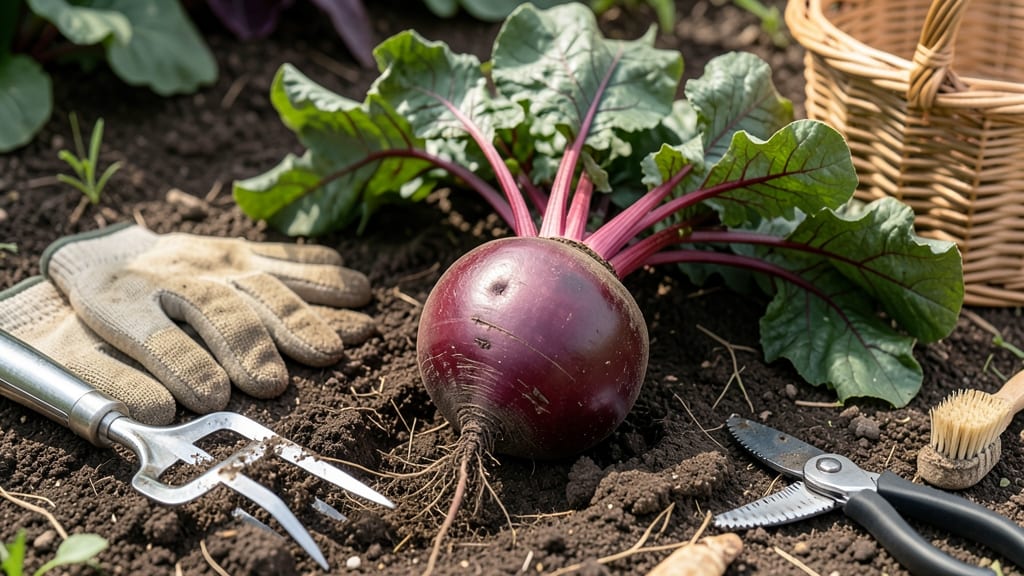
Harvesting and storing beetroot at the perfect time can turn your garden bounty into months of delicious meals—or leave you with sad, shriveled roots. The key lies in knowing exactly when to pull those vibrant 🍠 beauties for maximum sweetness and how to preserve them properly.
If you’ve ever wondered why some beets taste bland or others spoil too quickly, timing is everything. Beetroot sweetness peaks when roots reach 1-3 inches in diameter, but harvesting too early or late throws off the flavor.
I’ll walk you through the ideal harvest window—June to September in USDA Zone 6a—and how to store them for short-term crunch or long-term preservation.
From curing beets to choosing the right containers, small details make a big difference in flavor and freshness. Whether you’re prepping for winter soups or summer salads, these tips will help you keep your harvest tasting fresh for weeks—or even months.
Let’s dive into the secrets of harvesting and storing beetroot like a pro.
You’ll discover when to pull your beets for peak sweetness, how to tell if they’re ready, and the best storage methods to avoid waste. No more guessing—just delicious, homegrown beets whenever you crave them. Ready to master the art of beetroot storage?
When and how to harvest beetroot for maximum sweetness
Timing your beetroot harvest is everything—wait too long, and you’ll get tough, woody roots with bitter flavors. Harvest too early, and you miss out on peak sweetness.
The ideal harvest window is when roots reach 1-3 inches in diameter and the soil is dry, usually 50-70 days after planting depending on the variety.
Look for these visual cues: deep, rich colors (red, purple, or golden), tender skin that pierces easily with your thumb, and leaves that are 4-6 inches tall. Avoid harvesting when the soil is wet—it makes extraction messy and can damage the roots.
Morning is the best time to harvest because the soil is cooler and firmer, reducing stress on the plant. Use a garden fork or spade to loosen the soil around the beet, then gently lift it out. Never pull by the leaves—this can break the root.
Here’s a quick reference for harvest readiness at a glance:
| Sign | Description | Action |
|---|---|---|
| Root Size | 1-3 inches in diameter | Harvest now for sweetness |
| Leaf Color | Deep green, no yellowing | Ideal harvest time |
| Skin Texture | Tender, easy to pierce | Ready for harvest |
| Soil Condition | Dry and crumbly | Easier extraction |
After harvesting, trim the leaves to 1 inch above the root to prevent moisture loss. Leave a small stem to help the beet heal if you plan to store it long-term. Rinse only if the soil is caked on—wet beets store poorly.
For baby beets, harvest when they’re 1 inch in diameter—these are sweeter and more tender. Larger varieties can wait until 3 inches but may develop a slightly tougher texture. Always harvest on a dry day to avoid muddy roots.
Pro tip: If you’re growing multiple varieties, label your rows! Some beets, like Chioggia or Golden Detroit, have distinct colors and flavors, and harvesting them at the right time ensures you enjoy their unique qualities.
Once harvested, your beets are ready for storage—but only if you’ve followed these steps. Next, we’ll cover the best methods to keep them fresh for weeks or even months.
Best beetroot storage methods to keep them fresh for months
Once you’ve harvested your beetroot at peak sweetness, proper storage is key to preserving that flavor. Beets stored correctly can last weeks in the fridge or even months in a root cellar.
The method you choose depends on how long you plan to store them and whether you want to preserve their texture and taste.
For short-term storage, your refrigerator is the easiest option. Simply trim the greens and store the roots in a plastic bag with a paper towel to absorb moisture.
This keeps them fresh for 3-4 weeks while maintaining their crisp texture. If you’re prepping for winter, consider curing and freezing or fermenting for long-term preservation.
Here’s a quick comparison of the best storage methods to help you decide which works best for your harvest:
Root Cellar
- Lasts 4-6 months
- Maintains natural sweetness
- No prep needed
- Requires cool, humid space
- Not ideal for urban gardeners
Refrigerator
- Easy access
- Lasts 3-4 weeks
- No special prep
- Texture softens over time
- Limited shelf life
Freezing
- Lasts up to 1 year
- Preserves nutrients and color
- Great for large harvests
- Texture changes slightly
- Requires blanching
Fermenting
- Adds probiotics and tangy flavor
- Lasts 6+ months
- Unique preservation method
- Requires salt and time
- Not for everyone’s taste
If you’re storing beets in a root cellar, place them in sand or sawdust to prevent drying. For the freezer, blanch whole beets for 2 minutes before freezing to lock in color and texture.
Fermenting is a fun, probiotic-rich option—simply slice beets and pack them in a saltwater brine for 1-2 weeks.
Always check for soft spots or mold before storing, as these are signs of spoilage. With the right method, your beetroot harvest can stay fresh and delicious long after the growing season ends!