
Picking
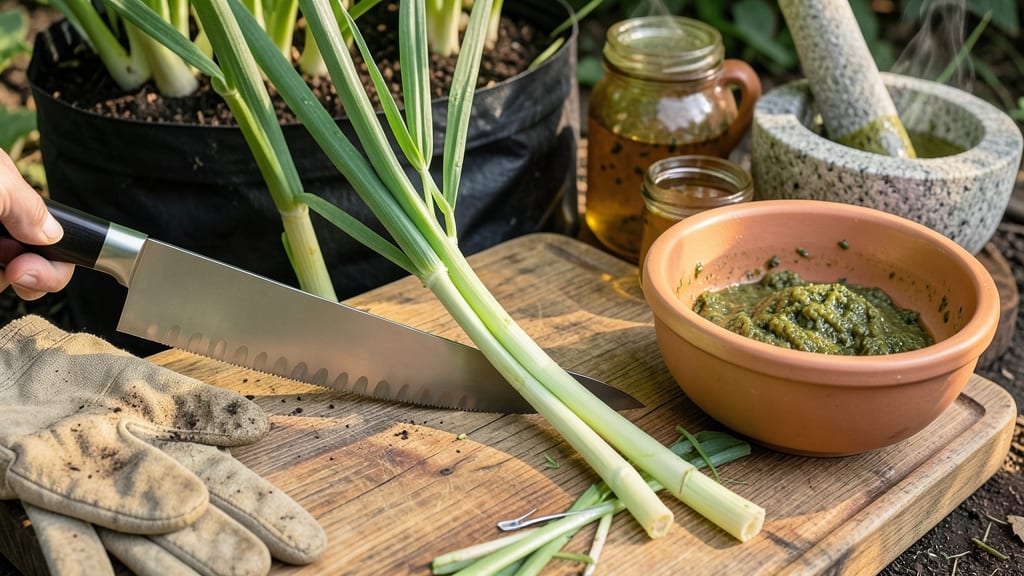
Summer’s bold lemongrass flavor is just a harvest away—here’s how to harvest and use lemongrass for maximum citrusy punch. ✨ The secret lies in timing and technique: pluck the stalks before they turn woody or yellow, ensuring peak freshness in every dish.
Start when your plant is 12-18 inches tall and has at least 5-6 leaves, usually in late spring or early summer. Cut the thickest stalks first, leaving the smaller ones to regrow. A sharp knife just above the base ensures clean cuts and prevents damage to the root system.
After harvesting, store the stalks upright in a jar of water like flowers, or wrap them in a damp paper towel in the fridge for up to 2 weeks. For long-term use, freeze the stalks whole or blend them into oils, teas, or homemade cleaning products.
In warmer climates, you can harvest every 4-6 weeks for continuous flavor, while temperate zones may only get 2-3 harvests per season. The key is timing—harvest when the leaves are still tender and the stalks are firm but not fibrous.
📚 In This Guide
- What you need
- Instructions
- Tips and common mistakes
- Wrapping up and next steps
What you need
- ● Fresh lemongrass stalks: 3–5 mature stalks (about 12–18 inches tall) for optimal flavor and yield.
- ● Sharp kitchen knife or chef’s knife: A 10-inch or 8-inch blade with a serrated or straight edge for clean cuts.
- ● Cutting board: A stable, non-slip surface (preferably wood or bamboo to preserve the knife’s edge).
- ● Measuring tools: Ruler or measuring tape (for trimming to 6–8 inches of usable stalk).
- ○ Kitchen scale (optional but helpful for precise recipes, e.g., 1 oz ≈ 3–4 stalks).
- ● Pestle and mortar (or microplane): For crushing the bottom of the stalk to release oils (or a food processor for larger batches).
- ● Storage containers: Short-term (1–2 weeks): Airtight glass jars or resealable plastic bags (with a paper towel to absorb moisture).
- ● Long-term (freezing): Heavy-duty freezer bags or silicone molds for individual stalks.
- ● Gloves: Thin gardening gloves to protect hands from lemongrass’ sharp edges and potential skin irritation.
- ● Food processor: For quickly mincing lemongrass into pastes (great for curries or marinades!).
- ● Citrus juicer: If you plan to blend lemongrass with lime/lemon for infused drinks or dressings.
- ● Labeling supplies: Masking tape + marker to label jars with dates (lemongrass freezes best for up to 6 months).
- ● Essential oil diffuser: For capturing and reusing lemongrass essential oil (if you’re feeling fancy!).
Step-by-Step instructions for harvesting and using fresh lemongrass
Here's how I extract every drop of flavor from fresh stalks—no waste, just pure citrusy goodness.
✂️ Step 1: Select and Prepare the Stalks
Choose stalks that are firm and green all the way to the base—avoid any that feel woody or have brown spots. I like to harvest when the stalks reach about 12-18 inches tall, as they’re most flavorful then. Cut the stalk at the base with a sharp knife or clean scissors, leaving about 2 inches of the root system in the ground if you plan to keep the plant alive.
Give the stalks a quick rinse under cool water to remove any dirt, then gently pat them dry with a clean towel. This keeps the flavor bright and prevents any grit from ending up in your dishes. If you’re using them immediately, you can skip the drying step entirely.
🌿 Step 2: Extract the Tender Inner Stalk
Peel away the tough outer leaves layer by layer until you expose the pale green inner stalk, which is where all the flavor lives. I like to use my fingers to gently pull the leaves apart—no need for a knife unless the stalk is particularly fibrous. Discard the outer leaves if they’re dry or tough, but save them for compost or tea if they’re still fresh.
Once you’ve exposed the inner stalk, trim off the very top and bottom of the stalk. The top often has a bitter edge, and the bottom can be woody. You should be left with a 6-8 inch section of tender, juicy stalk that’s ready for use. If the stalk feels too fibrous, slice it lengthwise to reveal the softer core.
💧 Step 3: Store or Use Immediately for Peak Flavor
If you’re not using the lemongrass right away, wrap the inner stalks tightly in plastic wrap and store them in the fridge for up to 2 weeks. The plastic helps retain moisture, keeping the stalks fresh and flavorful. Alternatively, you can freeze them by wrapping them in a damp paper towel, placing them in a freezer bag, and storing them for up to 6 months—this preserves the flavor perfectly for later use.
For immediate use, chop the inner stalk into 1-inch pieces and add it directly to soups, stir-fries, or teas. The key is to use the stalk whole or in large pieces—chopping it too finely can make the dish bitter. I often bruise the stalk lightly with the flat side of a knife before adding it to dishes to release more oils and flavor.
☀️ Step 4: Infuse Your Dishes with Lemongrass Flavor
Drop the whole stalk into simmering broths, curries, or marinades and let it steep for 15-20 minutes before removing it. This infuses the liquid with a bright, citrusy aroma without overpowering the dish. For teas, steep the stalk in hot water for 5-10 minutes—the longer it steeps, the stronger the flavor becomes.
Don’t throw away the used stalks! After removing them from soups or teas, you can compost them or even dry them out to make a fragrant potpourri. The stalks retain some flavor even after use, so they’re great for adding subtle citrus notes to compost or garden soil.
Tips & tricks for perfect lemongrass extraction
Here's what I learned after harvesting dozens of stalks—and how to get every drop of flavor without wasting a thing.
Selection Tip: The 12-18 inch height range is ideal because that's when the stalk develops its full citrusy punch. Look for stalks that feel firm when you gently squeeze them—this indicates peak freshness. I've found that stalks with even slight brown spots at the base lose flavor quickly, so harvest when they're uniformly green. The 2-inch root system you leave behind actually helps the plant regrow more flavorful stalks next time!
Peeling Technique: When you're peeling away those tough outer leaves in Step 2, work from the base upward—this prevents the inner stalk from splitting. I've ruined several stalks trying to pull from the top down, which causes the tender center to tear. If you encounter a particularly fibrous stalk, don't force it—slice lengthwise instead to reveal the juicy core. This is where all the aromatic oils live, and you want to preserve that!
Storage Wisdom: The plastic wrap trick in Step 3 works wonders for keeping your lemongrass fresh, but here's the secret: leave a tiny air pocket at the top of the wrap. This prevents condensation buildup that can make the stalks soggy. For freezing, I double-wrap each stalk in both plastic wrap and a damp paper towel—this creates an ice crystal barrier that preserves texture perfectly for those 6 months. When you're ready to use frozen lemongrass, just thaw it in the fridge overnight.
Flavor Infusion: Those 15-20 minutes of steeping in Step 4 are crucial, but don't let the stalk boil—keep it at a gentle simmer. I've seen people overcook their lemongrass, which turns it bitter. For teas, start with the 5-minute mark and taste test—if you want stronger flavor, steep an additional 2-3 minutes. The stalks actually continue releasing oils even after removal, so don't discard them immediately after steeping. Let them cool slightly first to capture those last flavorful drops.
Pro Tips for Harvest And Use Lemongrass
- Here's what I learned after harvesting dozens of stalks—and how to get every drop of flavor without wasting a thing.
- Selection Tip: The 12-18 inch height range is ideal because that's when the stalk develops its full citrusy punch. Lo...
- Peeling Technique: When you're peeling away those tough outer leaves in Step 2, work from the base upward—this preven...
Frequently asked questions
Got questions about harvesting and using lemongrass?
You’re not alone! Here are answers to the most common queries to help you make the most of this fragrant, flavor-packed herb.
How do I know when lemongrass is ready to harvest?
Harvest lemongrass when the stalks are at least 12–18 inches tall and the lower leaves have fully unfurled. The best time is in the morning after the dew has dried—this ensures the most vibrant flavor. Avoid harvesting during frost or extreme heat, as it can dull the citrusy notes.
Can I harvest lemongrass more than once from the same plant?
Lemongrass is a perennial plant that can regrow after cutting. Trim the stalks about 6 inches above the base, leaving the hard, woody core intact. With proper care (water, sunlight, and occasional fertilization), your plant will sprout new shoots in 4–6 weeks.
What’s the best way to store fresh lemongrass if I can’t use it right away?
For short-term storage (1–2 weeks), wrap the stalks in a damp paper towel and place them in a sealed plastic bag in the fridge. For long-term use, freeze the stalks whole or chop them and store in an airtight container. Avoid drying unless you’re making a paste—fresh or frozen works best for cooking!
What can I substitute for lemongrass if I don’t have any?
In a pinch, try these alternatives (though none match lemongrass’s unique flavor!):
- Citrus zest (lemon or lime) + a pinch of ginger (for warmth)
- Vietnamese coriander (raoulia) or citronella (if available)
- A splash of lemon juice + black pepper for a tangy kick
Why does my lemongrass taste bitter or weak after harvesting?
Bitter or weak flavor usually means the plant was overmature (woody stalks) or stressed (drought, pests, or poor soil). Always harvest young, tender stalks and ensure your plant gets 6+ hours of sunlight and well-draining soil. If the taste is off, trim the tough base before using it in recipes.
Wrapping up and next steps
Harvesting and using fresh lemongrass is a rewarding way to elevate your cooking with its bright, citrusy flavor! Whether you’re extracting the stalk for curries, infusing oils, or drying it for later use, the process is simple and versatile.
Now that you’re equipped with the know-how, why not experiment with a new recipe—like a zesty lemongrass tea or a fragrant marinade—this weekend? Your taste buds (and future meals) will thank you! 🌿✨