
How To
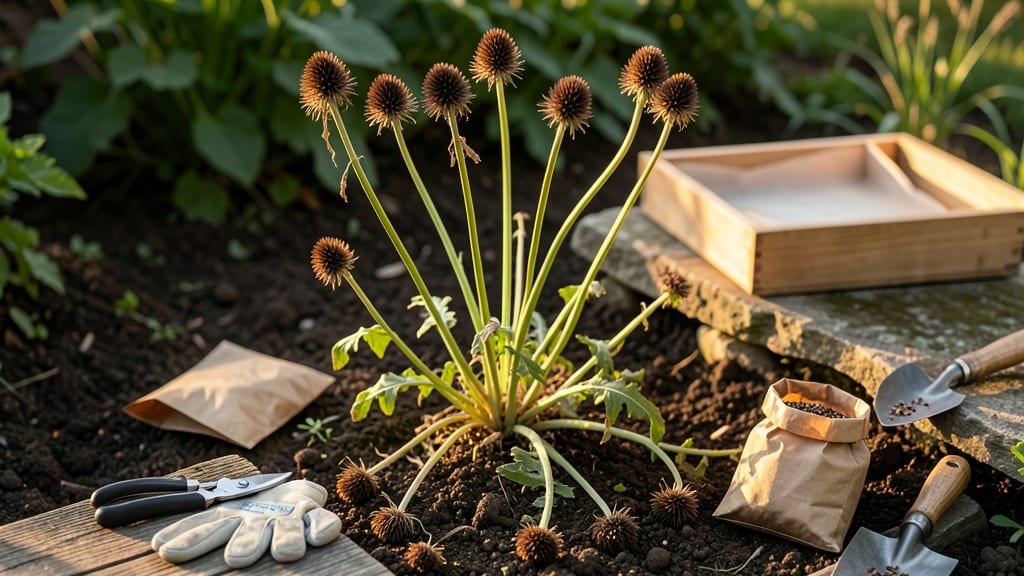
Harvesting chicory seeds at the wrong time means wasting your garden’s hard work—and maybe even losing next year’s crop. That delicate 🌱 chicory you grew from spring could become a seed bank treasure if you nail the timing, but miss it, and those seeds won’t sprout.
The key? Knowing when those browned flower heads are ready to shake for seeds.
Most gardeners overlook the late summer to early fall window when chicory seeds mature, assuming they need to act sooner. But rushing too early means green, unripe pods that won’t store well. Wait too long, and the seeds scatter before you can collect them.
I’ll show you exactly how to spot the perfect moment—when those dried heads rattle like tiny maracas—so you don’t end up with useless fluff.
Beyond timing, the right tools and drying techniques make all the difference. Too much moisture ruins seeds faster than you can say “wasted effort,” while proper storage keeps them viable for years.
Whether you’re a first-timer or a seasoned gardener, these tricks will turn your chicory harvest into a reliable seed source for 2025.
Let’s cut to the chase: I’ll walk you through every step—from picking the right pods to storing seeds like a pro—so you never throw away another potential crop. Ready to save money and grow your own chicory again next year?
Optimal timing for harvesting chicory seeds: when to watch the flowers
Timing is everything when harvesting chicory seeds. The flowering stage lasts about 4-6 weeks, but the seed maturation window is narrow—only about 2-3 weeks. Miss it, and your seeds may not germinate well next season.
I’ve learned the hard way that patience pays off when waiting for the perfect harvest moment.
Chicory flowers open in the morning and close by afternoon, revealing their blue petals for pollinators. After flowering, the petals drop, and seed pods begin forming. This is your cue to start monitoring them closely. The pods start green but gradually turn brown and papery as they dry.
Environmental factors like temperature and humidity play a huge role. Ideal conditions for seed maturation are warm days (70-80°F) and cool nights (50-60°F). High humidity can delay drying, while dry, sunny weather speeds up the process. In my USDA Zone 6a garden, I’ve found seeds mature best in late August to early September.
Here’s what to watch for: flower heads turning brown, seed pods hardening, and a rattling sound when you shake the dried heads. These are your clear signs of readiness.
If you harvest too early, the seeds won’t be viable; too late, and they may scatter or sprout in the pod.
| Stage | Visual Cues | Action |
|---|---|---|
| Flowering | Blue petals open daily | Monitor for petal drop |
| Early Pod Formation | Green, soft seed pods | Wait 2-3 weeks |
| Maturation | Brown, papery pods; seeds rattle | Harvest immediately |
| Overripe | Pods split open; seeds scatter | Too late; discard |
One common mistake I’ve seen is harvesting when the pods are still slightly green. These seeds often fail to germinate. Always wait until the pods are completely dry and brown.
Pro tip: Cut open a pod to check for dark brown seeds—if they’re plump and firm, you’re ready to harvest!
Morning is the best time to harvest because dew can make pods damp, slowing drying. After harvesting, lay the flower heads on a breathable surface (like a mesh screen) in a dry, shaded area for 1-2 weeks. This mimics natural drying conditions and prevents mold.
If you’re in a humid climate, consider harvesting earlier and using a dehydrator set to 95°F (35°C) for 2-3 hours to speed up drying. Just avoid high heat, which can damage seeds. I’ve had great success with this method in my Zone 7 garden during muggy summers.
Finally, keep an eye on pests like aphids, which can infest drying flower heads. A quick spray of neem oil before harvest can prevent issues. Once dry, store seeds in a cool, dark place to maintain viability for up to 3 years.
🌾
Step-by-step chicory seed harvesting process: tools and techniques
Harvesting chicory seeds requires patience and precision. Once your plants reach the late summer to early fall stage with fully mature flower heads, it’s time to act.
I’ve found that using the right tools and techniques makes all the difference in preserving seed viability and avoiding common pitfalls like moisture damage or premature seed loss.
Start by gathering your essential tools: a pair of sharp pruning shears, breathable paper bags (or mesh bags), and a small paper envelope for storage. Avoid plastic bags—they trap moisture and can ruin your seeds before they’re even dried.
I prefer using kraft paper bags because they allow airflow while keeping seeds contained.
- Select mature flower heads: Choose heads that are completely brown and dry, with seeds rattling inside when shaken.
- Cut stems cleanly: Use pruners to snip 1-2 inches below the flower head to avoid damaging the plant.
- Place in paper bags: Immediately transfer harvested heads into breathable bags to prevent moisture buildup.
- Dry indoors: Hang bags in a dry, shaded area (60-70°F) for 1-2 weeks until seeds are crisp and dry.
- Thresh seeds gently: Rub dried heads between your hands or use a clean cloth to separate seeds from chaff.
- Store in envelopes: Label with the harvest year and store in a cool, dark place for up to 3 years.
One common mistake I’ve seen is harvesting seeds too early—when flower heads are still partially green. This results in low germination rates because the seeds aren’t fully mature.
Always wait until the entire head turns brown and seeds rattle inside before harvesting. Another tip: avoid harvesting on humid days to prevent mold growth during drying.
After drying, I like to test a few seeds by placing them in a small glass of water. If they sink, they’re viable and ready for storage.
If they float, they’re likely non-viable and should be discarded. This simple test saves time and ensures you’re only storing the best seeds for next season’s garden.
For large-scale harvesting, consider using mesh bags to contain multiple flower heads at once. This speeds up the process while still allowing airflow. Just be sure to shake them occasionally to prevent seeds from clumping together.
With these techniques, you’ll maximize your seed yield and set yourself up for a successful chicory crop next year.
Pro tip: If you’re growing chicory for both leaf and seed production, prioritize seed harvesting from the strongest plants first. This ensures you’re saving the best genetic material for future seasons while still enjoying fresh leaves from other plants.