
Picking
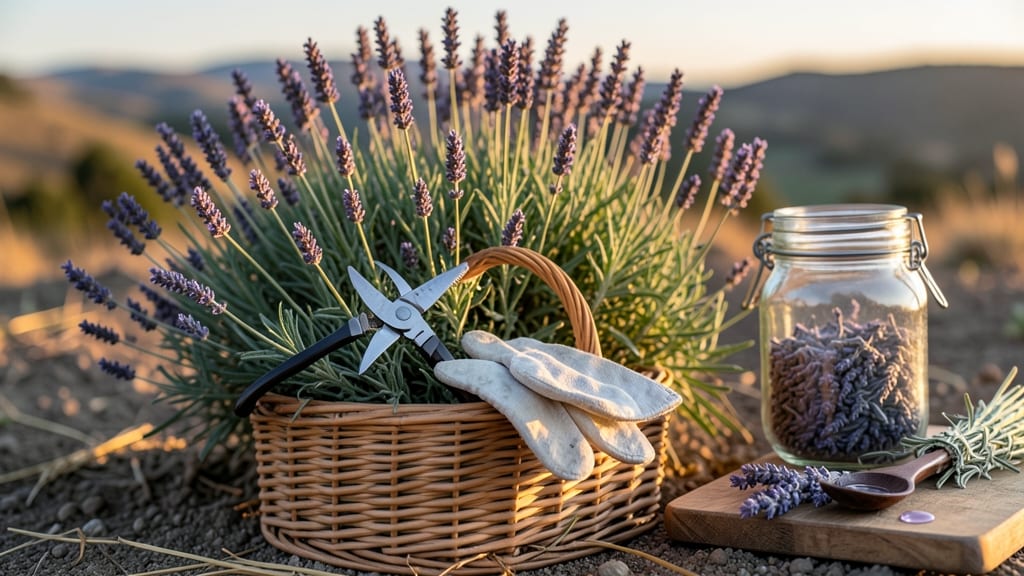
The best lavender oil yield starts with harvesting at peak bloom—when buds are just opening but before they fully unfurl. ✨ I learned this after my first harvest turned out weak-tasting because I waited too long. Timing matters more than you’d think, especially if you’re growing lavender for oil.
English lavender (Lavandula angustifolia) is your best bet for oil production—it’s the variety most commonly used in commercial essential oil extraction. Harvest in the morning after the dew dries but before the sun peaks, when the oils are at their strongest.
Avoid rain for 24 hours before cutting, or your buds will dilute and lose potency. Cut stems just above a leaf node with clean shears, leaving at least 3-4 inches of growth.
Bundle them in small bunches and hang upside down in a dry, dark, well-ventilated space for 2-3 weeks until fully dried. The drying process is crucial—rush it, and the oil yield suffers. Store dried lavender in airtight containers away from light until you’re ready to distill.
If you’re not distilling immediately, freeze the dried buds to preserve their oil content. Mistakes like harvesting too early or late, or drying too quickly, can slash your yield by 50% or more—don’t let that happen to you.
📚 In This Guide
- What you need
- Instructions
- Tips and common mistakes
- Wrapping up and next steps
What you need
- ● Fresh lavender flowers: Harvest only when the buds are fully open but before they turn brown (typically mid-to-late summer, depending on your climate). Aim for 10-20 pounds of flowers for every 1 pound of essential oil (a good starting batch is 5-10 lbs of flowers).
- ● Sharp pruning shears or scissors: Use clean, sterilized tools (rubbing alcohol works great) to avoid damaging the plants or introducing pests.
- ● Large breathable mesh bags or baskets: Choose lightweight, well-ventilated containers (like harvesting bags or wire baskets) to hold 5-10 lbs of flowers at a time. Avoid plastic to prevent moisture buildup.
- ● Glass or stainless steel containers: For storage, use airtight, food-grade jars or containers (e.g., quart-sized mason jars) to hold 2-3 lbs of flowers per container.
- ● Newspaper or brown paper bags: Line containers with these to absorb excess moisture during drying.
- ● Drying rack or screen: A mesh drying screen or hanging rack in a dark, well-ventilated space (like a garage or shed) to dry flowers for 1-2 weeks.
- ● Food-grade olive oil or carrier oil: 1 cup per 2 lbs of dried lavender buds (e.g., sweet almond oil, jojoba oil, or grapeseed oil for infusion).
- ● Fine-mesh strainer or cheesecloth: For filtering oil after infusion.
- ● Dark glass bottles: 4-8 oz amber or cobalt bottles to store your finished lavender oil (protects from light degradation).
- ● Harvesting gloves: Protect your hands from prickly lavender stems.
- ● Digital scale: For precise measurements of flowers and oil.
- ● Food dehydrator: Speeds up drying time (set to 95°F for 2-4 hours).
- ● Essential oil testing strips: To check oil potency before bottling.
- ● Labeling supplies: Mark bottles with dates and oil types for tracking.
Step-by-step instructions for harvesting lavender for oil
Timing and technique make all the difference when harvesting for essential oil—here's how to maximize your yield.
🌿 Step 1: Identify Peak Bloom for Harvesting
Harvest lavender when 70-80% of the buds are open but before they fully bloom. This is when the essential oil content peaks—typically in late spring to early summer depending on your climate. I check my plants daily during peak season, looking for clusters where most buds have just begun to unfurl but still have some closed buds remaining.
If you wait until flowers are fully open, the oil content drops significantly. You'll know it's time when the plant's fragrance is strongest—take a sniff! The scent should be rich and sweet, not fading. Morning harvests work best because the dew has dried but the sun hasn't yet weakened the plant's oils.
✂️ Step 2: Cut Stems Properly for Oil Extraction
Use clean, sharp pruning shears to cut stems about 6-8 inches long, leaving 2-3 inches of growth above the previous year's wood. This encourages bushier growth next season. I always cut just above a leaf node or bud to promote new branching.
Harvest only the flowering tops—never cut into the woody stems. The buds and flowers contain the highest concentration of essential oils. Bundle stems together and hang them upside down in a dry, dark, well-ventilated space for 2-3 weeks to dry completely. You'll know they're ready when the stems snap easily and the buds crumble when touched.
☀️ Step 3: Process Dried Lavender for Oil Extraction
Once fully dried, remove the flowers from the stems and place them in a clean glass jar. Fill the jar no more than halfway to allow room for oil infusion. Add food-grade olive oil (enough to cover the flowers completely) and let it sit in a sunny windowsill for 4-6 weeks, stirring gently every few days.
The sun's warmth helps extract the oils naturally. You'll notice the oil turning a pale golden color as it infuses. After 6 weeks, strain through a fine mesh sieve or cheesecloth into a dark glass bottle. Store in a cool, dark place—sunlight degrades the oil quality over time.
🌱 Step 4: Maintain Your Lavender Plants for Future Harvests
After harvesting, trim any remaining stems back by one-third to encourage new growth. Lavender thrives with full sun (6+ hours daily) and well-draining soil. Water deeply once a week during dry spells—lavender hates soggy roots.
Fertilize lightly in early spring with a balanced organic fertilizer (like 10-10-10) to support next year's growth. Avoid heavy-handed pruning—lavender responds best to gentle shaping. With proper care, you'll get 3-4 harvests per season, each yielding more oil than the last.
Tips & tricks for perfect lavender oil infusion
Timing and technique are everything when it comes to lavender oil—here's how to avoid common pitfalls and maximize your harvest.
Harvesting Timing: The 70-80% bloom rule is critical—this is when essential oils are at their peak concentration. I've learned the hard way that waiting until flowers fully open can reduce oil yield by up to 40%. Check your plants in the morning when the scent is strongest, as this is your best indicator of peak oil content. The scent should be rich and sweet, not fading.
Drying Conditions: Proper drying is where most people go wrong. The 2-3 week drying period in a dry, dark, well-ventilated space is non-negotiable. I hang my bundles from a hook in my garage where there's good airflow but no direct sunlight. If you notice mold or dampness during this time, your drying conditions aren't right—move to a drier location immediately.
Oil Infusion Technique: When it comes to the 4-6 week infusion period, sunlight is your friend—but only in moderation. Place your jar on a sunny windowsill, but rotate it daily to ensure even exposure. I've found that the oil develops a richer golden hue when exposed to consistent, indirect sunlight. Stir gently every few days to prevent the flowers from sinking and to ensure even oil distribution throughout the petals.
Storage Wisdom: Once you've strained your infused oil, store it in a dark glass bottle to protect it from light degradation. I keep mine in a cool pantry away from windows, and I've noticed the color remains vibrant for months longer than when stored in clear containers. Remember, sunlight is what helps with infusion, but it's also what degrades your finished product.
Pro Tips for Harvest Lavender For Oil
- Timing and technique are everything when it comes to lavender oil—here's how to avoid common pitfalls and maximize yo...
- Harvesting Timing: The 70-80% bloom rule is critical—this is when essential oils are at their peak concentration. I'v...
- Drying Conditions: Proper drying is where most people go wrong. The 2-3 week drying period in a dry, dark, well-venti...
Frequently asked questions
When is the best time of day to harvest lavender for oil?
The ideal time is early morning after the dew has dried but before the sun gets too intense (around 7–9 AM). This ensures the buds are fully open, and the oils are at their peak potency. Avoid harvesting after rain or late in the day, as moisture can dilute the essential oils.
How long does it take for lavender to regrow after harvesting?
Lavender is hardy and resilient! With proper care, it typically regrows within 4–6 weeks. To encourage faster regrowth, trim just above a leaf node (not bare wood) and avoid over-harvesting in one season. Consistent pruning actually strengthens the plant over time.
Can I use dried lavender stems for oil extraction at home?
Not effectively—fresh lavender buds yield the highest oil concentration. Dried stems lose potency, and home oil extraction requires fresh, fully bloomed flowers for optimal results. If you’re drying lavender, save it for potpourri, sachets, or teas instead.
What do I do if my lavender smells weak or has low oil content?
Weak scent often means poor timing, over-harvesting, or stress. Check your harvest time (peak bloom is key!) and avoid cutting more than one-third of the plant at once. If soil or water issues are suspected, amend with well-draining soil and reduce watering—lavender hates soggy roots!
Are there alternatives to lavender for essential oil harvesting?
Other beginner-friendly options include rosemary, mint, or citrus peels (like lemon or orange). Each has unique extraction methods—rosemary works well with steam distillation, while citrus peels require a solvent-free cold-press approach. Always research the plant’s specific needs first!
Wrapping up and next steps
Harvesting lavender at its peak bloom—when buds are just opening—is the secret to unlocking the richest, most fragrant oil for your DIY projects. With the right tools, timing, and care, you can transform your garden into a treasure trove of aromatic goodness.
Now that you’re armed with knowledge, why not take the next step? Try experimenting with small batches of lavender oil, or gift handmade lavender-infused products to friends and family. The possibilities are as endless as the scent itself—happy harvesting! 🌿✨