
How To
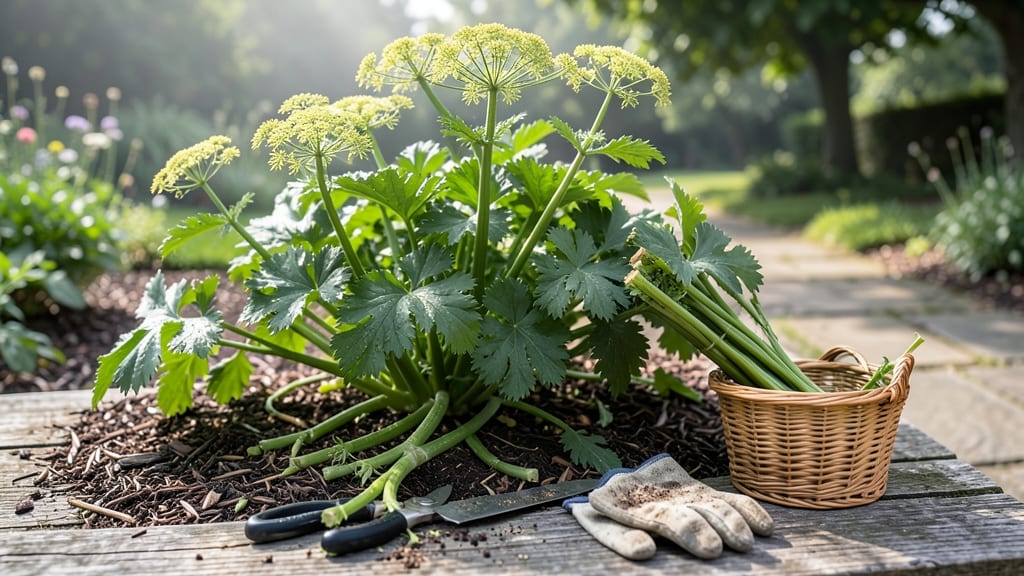
If you’ve ever wondered how to harvest lovage at its absolute peak—when those towering 18-inch stems are packed with the most intense, celery-like flavor—you’re in the right place.
This hardy perennial isn’t just a pretty face in your garden; it’s a culinary powerhouse that rewards patience with bold, aromatic leaves and stems.
The secret lies in timing: harvest lovage stems when they reach 18 inches, but before they flower, to preserve that vibrant taste and encourage regrowth.
Whether you’re a seasoned gardener or just starting with lovage 🌿, mastering this simple technique means you’ll enjoy fresh harvests from June through October—no fancy tools required.
I’ll walk you through the exact steps to cut stems without harming your plant, plus how to store your harvest for months. No more guessing when to pluck those lush green stalks or worrying about over-harvesting—just a foolproof method to keep your lovage thriving all season.
Ready to unlock the full potential of your lovage patch? Let’s dive into the easy, no-fuss way to harvest stems, leaves, and even roots like a pro—so you can savor this versatile herb in soups, teas, and beyond.
When and how to harvest lovage stems for maximum flavor
Harvesting lovage at the right time transforms its bold celery-like flavor into a garden staple. The key is waiting until stems reach 18 inches tall—this ensures both peak taste and robust regrowth for future harvests.
Unlike many herbs, lovage thrives on being cut back, so timing matters more than frequency.
Lovage’s harvest window spans June through October, aligning with its rapid growth after spring planting. Early harvests focus on leaves and tender stems, while later cuts target thicker stems for cooking.
The plant’s ability to regrow aggressively means you can harvest multiple times per season without stressing it.
Identifying the perfect harvest moment starts with stem thickness and leaf maturity. Mature stems feel firm when squeezed gently—think of celery stalks. Immature stems bend easily and taste milder. Deep green, glossy leaves (not pale or yellowing) signal readiness, while small, tender leaves mean waiting.
Seasonal cues also guide harvest timing. In late summer, focus on harvesting flowering stems first—they develop seeds for propagation while still allowing leaf regrowth. By fall, prioritize cutting back woody stems to encourage next year’s growth before frost.
| Harvest Stage | Key Features | Best For | Season |
|---|---|---|---|
| Early Growth | Stems 12-18", tender leaves | Salads, garnishes | June-July |
| Mature Stems | Stems 18"+, woody texture | Soups, stocks, drying | July-August |
| Seed Stems | Flowering stems, brown seeds | Propagation, teas | Late August-Sept |
| Fall Cutback | Woody stems, yellowing leaves | Encourage regrowth | October |
Harvesting lovage correctly preserves its aromatic oils, which concentrate as stems mature. For leaf-only harvests, snip individual stems just above a leaf node—this encourages bushier growth. For stem harvests, cut stems at the base using clean pruners or sharp scissors to avoid tearing.
Avoid harvesting more than one-third of the plant at once, especially in early season. Over-harvesting stresses lovage and reduces next year’s yield. Space out cuts by 2-3 weeks to maintain vigor. Even in fall, leave some stems standing to protect the crown from frost.
Lovage’s regrowth resilience makes it ideal for continuous harvesting. After cutting, new shoots emerge from the base within 3-4 weeks if the plant receives consistent moisture and nutrients. This cycle ensures a steady supply from June through October, with proper care.
Pro tip: Harvest in the morning when essential oils are most concentrated. Rinse stems immediately in cool water to remove dirt, then store in a perforated plastic bag in the fridge for up to 5 days.
For long-term storage, dry stems or freeze chopped leaves—both methods preserve lovage’s signature flavor.
🌿
When and how to harvest lovage stems for maximum flavor
Harvesting lovage at the right time transforms its bold, celery-like flavor from good to extraordinary. The 18-inch stem rule is your golden ticket—this is when the plant’s energy is perfectly balanced between growth and flavor development.
If you wait too long, the stems become woody and less palatable, while harvesting too early means missing out on that peak taste.
Lovage thrives in late spring through early fall, but the best harvest window is between June and August. This aligns with its natural growth cycle, ensuring you get the most flavorful stems before the plant shifts focus to seed production.
Pay attention to the leaf size and stem firmness—these are your best indicators of readiness.
| Harvest Stage | Key Characteristics | Best Time to Harvest |
|---|---|---|
| Early Growth | Stems <12 inches, soft leaves | Avoid—low flavor |
| Ideal Harvest | Stems 18-24 inches, firm, deep green leaves | June-August (peak flavor) |
| Late Season | Stems woody, leaves yellowing | Harvest seeds or roots instead |
To identify the perfect stem, look for deep green, glossy leaves and stems that feel firm but not brittle. Run your fingers along the stem—if it’s slightly fibrous but still flexible, it’s ready.
Avoid harvesting stems that are hollow or yellowing, as these indicate the plant is past its prime. Pro tip: Harvest in the morning after dew has dried but before the sun intensifies, ensuring the highest flavor concentration.
When harvesting, always cut stems 2-3 inches above the ground using a sharp pair of pruning shears or a clean knife. This encourages the plant to send up new shoots from the base, giving you a second harvest in 4-6 weeks.
Never pull stems out by hand—this damages the root system and can kill your plant. For a continuous supply, space your harvests every 2-3 weeks during the growing season.
If you’re growing lovage in USDA zones 6-9, you can extend your harvest into early fall, but stop cutting by mid-October to allow the plant to harden off for winter. In colder climates, harvest all remaining stems before the first frost and store them for later use.
Lovage’s hardiness means it often regrows the following spring, but a late-season harvest ensures you have fresh stems for winter cooking.
For the most flavorful lovage, prioritize younger stems—older ones become bitter. If you notice your plant flowering, focus on harvesting the leaves and lower stems first, as the plant’s energy shifts to seed production.
Save the seeds for next year’s planting if you want to propagate your lovage patch naturally. With the right timing, you’ll enjoy a bountiful harvest of this versatile herb all season long. 🌿