
How To
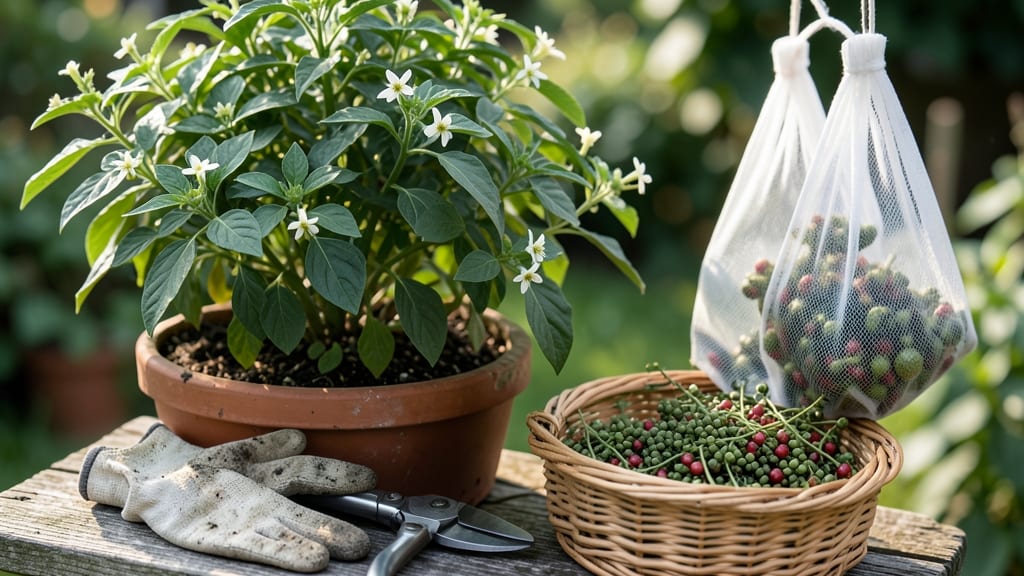
Harvesting peppercorns at the wrong time can turn your 🌶️ Peppercorn plant’s hard work into bitter disappointment—but getting it right means bold, complex flavor straight from your garden.
If you’ve spent months nurturing your pepper plant in zones 10-12, you’ll want to know exactly when those tiny berries are ready to pick for maximum yield and taste.
The key to a successful harvest lies in timing and technique. Whether you’re growing black, white, or green peppercorns, recognizing the perfect moment—when berries turn uniformly colored and detach easily—is the difference between a flavorful bounty and a disappointing batch.
I’ll walk you through the exact steps to identify maturity, harvest properly, and preserve that fresh-picked taste.
From late winter to early spring planting, your peppercorn shrub will take 180-240 days to reach harvest season, but knowing when to act is everything. Miss the window, and you risk underripe or overripe berries that ruin the flavor.
Let’s break down how to spot readiness, harvest like a pro, and dry your peppercorns for long-term use—so you can enjoy the fruits of your labor all year.
Ready to unlock the full potential of your peppercorn harvest? You’ll learn how to handle each step—from picking to storing—to ensure your homegrown spice shines in every dish. Let’s get started.
When and how to identify mature peppercorns for harvesting
Harvesting peppercorns at the right time ensures bold, complex flavor and maximum yield. The key is recognizing maturity cues in the berries, which vary depending on whether you're growing green, black, or white peppercorns.
Each type requires a different approach, so let's break down the signs of readiness and common mistakes to avoid.
For green peppercorns, harvest when the berries are fully grown but still green and firm.
These should be picked before they ripen to black. Black peppercorns, on the other hand, are harvested when they turn uniformly black and slightly wrinkled. White peppercorns are a bit different—they're actually black peppercorns that have been fermented and dried to remove the outer shell, but we'll cover that later.
One of the biggest mistakes gardeners make is harvesting too late. Overripe peppercorns lose flavor and can become bitter or even moldy. Always check for firmness and color consistency—if the berries are soft or discolored, they're past their prime.
Another red flag is uneven ripening on the same vine, which can indicate poor growing conditions like inconsistent watering or sunlight.
Seasonal timing also plays a role. In tropical climates, peppercorns can be harvested year-round, but in subtropical zones, the best time is typically late winter to early spring. This aligns with the plant's natural fruiting cycle and ensures you're getting the most flavorful berries.
If you're growing in containers, keep an eye on the plant's growth stage—peppercorn vines can take 180-240 days to reach maturity, depending on the variety.
To test for readiness, gently twist a berry from the vine. If it comes off easily with a slight popping sound, it's ready to harvest. If it resists or the vine tears, it's not mature yet.
Pro tip: Harvest on a dry morning to avoid spreading moisture, which can encourage mold during drying.
Here’s a quick visual guide to help you compare the maturity stages of peppercorns:
| Type | Color | Texture | Detachment | Best Time to Harvest |
|---|---|---|---|---|
| Green Peppercorns | Uniform green | Firm and plump | Twists off easily | Before ripening to black |
| Black Peppercorns | Uniform black | Slightly wrinkled | Twists off easily | Fully ripe and black |
| White Peppercorns | Black (fermented) | Dry and hard | After fermentation | Post-harvest processing |
When harvesting, use sharp pruning shears or scissors to avoid damaging the vine. Cut the berries along with a small stem to make drying easier. If you're harvesting a large quantity, work in stages—don't strip the entire vine at once, as this can stress the plant and reduce future yields.
After harvesting, sort the berries to remove any that are overripe, damaged, or underdeveloped.
If you're unsure about maturity, it's always better to harvest a little early. Peppercorns continue to ripen slightly after picking, but they won’t improve if they're already overripe.
For green peppercorns, slightly underripe berries can still be used—just blanch them in boiling water for 30 seconds before drying to enhance flavor.
Finally, keep an eye on the plant’s overall health. Vibrant leaves and new growth indicate a healthy vine, while yellowing leaves or wilting can signal stress or disease. A stressed plant may produce lower-quality peppercorns, so address any issues before harvesting.
Once you’ve identified the perfect peppercorns, the next step is harvesting and drying them properly. This ensures the flavor and aroma are preserved for months to come. Stay tuned for our next section on the step-by-step drying process!
Step-by-step peppercorn harvesting and drying process
Now that you’ve identified your peppercorns as ready for harvest, the next step is the actual harvesting process. Use clean, sharp pruning shears or your fingers to avoid damaging the vines. Gently twist each berry to detach it cleanly—this preserves the plant’s health for future harvests.
Harvest peppercorns in the morning when humidity is lowest. This prevents mold growth and ensures your berries stay fresh. Collect them in a paper bag or mesh container to allow airflow, which is critical for preventing spoilage.
Once harvested, you’ll need to clean and dry the peppercorns properly. Rinse them gently under cool water to remove debris, then pat them dry with a clean towel. Avoid soaking, as excess moisture can lead to mold during drying.
Step-by-Step Peppercorn Drying Process
- 1. Spread berries in a single layer on a clean, dry tray or screen. Use a well-ventilated area away from direct sunlight to avoid overheating.
- 2. Air-dry for 2-4 weeks at 60-70°F (15-21°C). Stir gently every few days to ensure even drying.
- 3. Test for dryness by pressing a berry—it should feel light and brittle with no moisture inside.
- 4. Oven-dry (optional) at 170°F (77°C) for 1-2 hours if you’re short on time. Monitor closely to prevent burning.
- 5. Store immediately in an airtight container in a cool, dark place to preserve flavor for up to 1 year.
For black peppercorns, allow the berries to dry fully on the vine until they turn black before harvesting. This natural drying process deepens their flavor and gives them that iconic dark hue.
For green peppercorns, harvest when fully green and dry them quickly to lock in their fresh, peppery taste.
Pro tip: If you’re drying peppercorns in bulk, consider using a dehydrator set to 135°F (57°C) for consistent results. Just ensure they’re spread out evenly to avoid clumping. Once fully dried, store them in small batches to maintain freshness.
With proper drying, your homegrown peppercorns will rival store-bought in flavor—ready to elevate any dish with that unmistakable bold, aromatic punch! 🌱