
How To
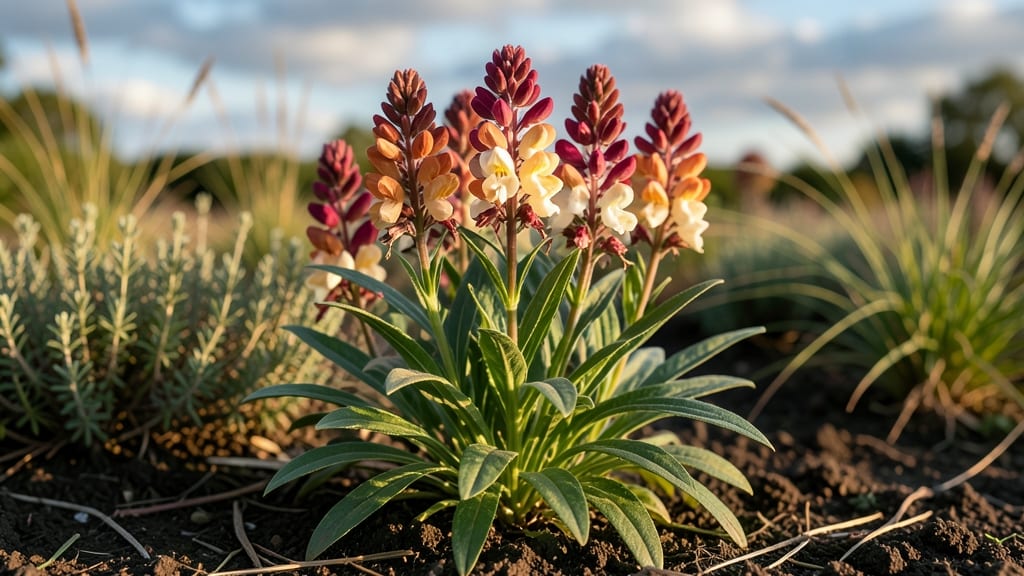
Harvesting snapdragons 🌸 at the perfect moment means the difference between bouquets that last days and flowers that wilt within hours. The key isn’t just cutting—it’s knowing when to reach for those stems and how to handle them afterward to keep their vibrant colors and fresh scent alive.
If you’ve ever wondered why some snapdragons droop after just a day in water, you’re not alone. The secret lies in timing: harvesting too early or too late can ruin everything.
I’ll show you exactly when those buds are ready—from their first colorful peek to the ideal moment for cutting—and how to do it without damaging your plants.
From morning harvests to proper stem trimming, we’ll cover every step to maximize vase life. Whether you’re growing snapdragons in zone 6a or just love their cheerful blooms, these techniques will help you enjoy their beauty for weeks. Let’s get started!
You’ll also discover how to encourage more blooms after harvesting and simple post-cut care that keeps your flowers looking fresh. Ready to turn your garden into a cut-flower powerhouse? The best time to harvest snapdragons is coming up—let’s make it count.
When to harvest snapdragons for maximum bloom longevity
Harvesting snapdragons at the right stage ensures longer vase life and encourages continuous blooming. Unlike some flowers, snapdragons thrive when harvested at specific maturity levels. Cutting too early or too late can reduce their visual appeal and lifespan in arrangements.
The ideal harvest time is when the bud begins to open but hasn’t fully bloomed. This stage guarantees vibrant color and maximum fragrance. Fully opened flowers last shorter in bouquets, while unopened buds may not reach their full potential.
Timing also matters—morning harvests yield the best results. Flowers picked in the cool morning hours stay fresher longer. Avoid harvesting after midday heat or before sunrise, as this can stress the plant and reduce bloom quality.
Seasonal variations play a role too. In warmer climates, snapdragons bloom earlier and may need frequent harvesting to maintain production. In cooler regions, focus on late spring to early summer harvests for peak performance.
🌸 Snapdragon Harvest Readiness Guide
| Stage | Visual Cues | Action |
|---|---|---|
| Bud Stage | Closed but showing color (🌸) | Avoid harvesting—wait for full openness |
| Early Bloom | Partially open with vibrant hues (🌺) | Harvest for longest vase life |
| Full Bloom | Fully open but drooping slightly (✨) | Harvest if needed, but reduce frequency |
| Late Bloom | Wilted or pale petals (🌱) | Remove to encourage new buds |
Harvesting too aggressively can stress your plants. Aim to remove no more than 1/3 of blooms at a time. This balance ensures your snapdragons keep producing fresh flowers while maintaining their overall health.
Weather conditions also impact harvest timing. After heavy rain, wait until the morning sun dries the petals to avoid waterlogged stems. Similarly, hot afternoons can cause flowers to wilt quickly, so prioritize early morning cuts during summer months.
Pro tip: Use a sharp pair of pruners or clean scissors to make clean cuts. Avoid tearing stems, as this shortens the flower’s lifespan in arrangements. Always cut at a 45-degree angle to maximize water absorption.
If you’re harvesting for long-term storage, focus on younger blooms in the early bloom stage. These hold up best when dried or preserved for winter arrangements. For immediate use, prioritize fully open flowers with firm stems.
Regular harvesting not only yields beautiful bouquets but also stimulates new growth. Snapdragons respond well to consistent care, so integrate harvesting into your weekly garden routine for continuous season-long blooms.
Step-by-step snapdragon harvesting techniques to avoid common mistakes
Harvesting snapdragons at the right time is just the first step—using the proper cutting techniques ensures your blooms stay vibrant for days. The way you cut can even encourage your plants to produce more flowers instead of wasting energy on fading blooms.
Let’s break down the exact steps I follow to harvest snapdragons without damaging the plant or shortening their vase life.
First, always use clean, sharp pruning shears or garden scissors. Dull blades crush stems, causing flowers to wilt faster. I keep a small spray bottle of rubbing alcohol nearby to disinfect my tools between cuts—this prevents spreading disease from plant to plant.
A 45-degree angle cut just above a leaf node (where the leaf meets the stem) is ideal because it allows water to better absorb into the stem and promotes new growth.
🌸 Step-by-Step Snapdragon Harvesting Guide
- Step 1: Wait until morning when blooms are fully open and dew has dried.
- Step 2: Use sharp shears to cut stems at a 45-degree angle.
- Step 3: Leave 2-3 inches of stem for water absorption.
- Step 4: Remove lower leaves to prevent bacterial growth in water.
- Step 5: Immediately place stems in cool water to hydrate.
One of the most common mistakes I see is harvesting flowers that are too mature. Overripe snapdragons develop brown edges and wilt quickly, even in a vase. Look for buds that are just beginning to open—these will last 5-7 days longer than fully opened blooms.
I also avoid cutting flowers in the afternoon heat, as the stems can become limp and less able to absorb water.
After cutting, strip the lower leaves from the stem and place the flowers in a bucket of lukewarm water for at least 30 minutes. This rehydrates the stems and extends their vase life.
I’ve found that adding a splash of bleach (1/4 teaspoon per quart of water) keeps the water clean and prevents bacterial growth, which is especially important if you’re harvesting multiple batches throughout the day.
Pro tip: If you’re harvesting for arrangements, group stems by size and maturity. Mixing fully open flowers with buds just beginning to bloom creates a dynamic, long-lasting display. I also like to harvest every 2-3 days during peak bloom season (June-September) to encourage continuous flowering.
This prevents the plant from becoming overburdened and ensures a steady supply of fresh blooms.
Finally, never harvest more than one-third of the blooms at once. Snapdragons are generous producers, but over-harvesting can stress the plant and reduce future yields. By following these steps, you’ll enjoy longer-lasting blooms and a healthier, more productive snapdragon plant all season long. ✂️🌸