
Tools
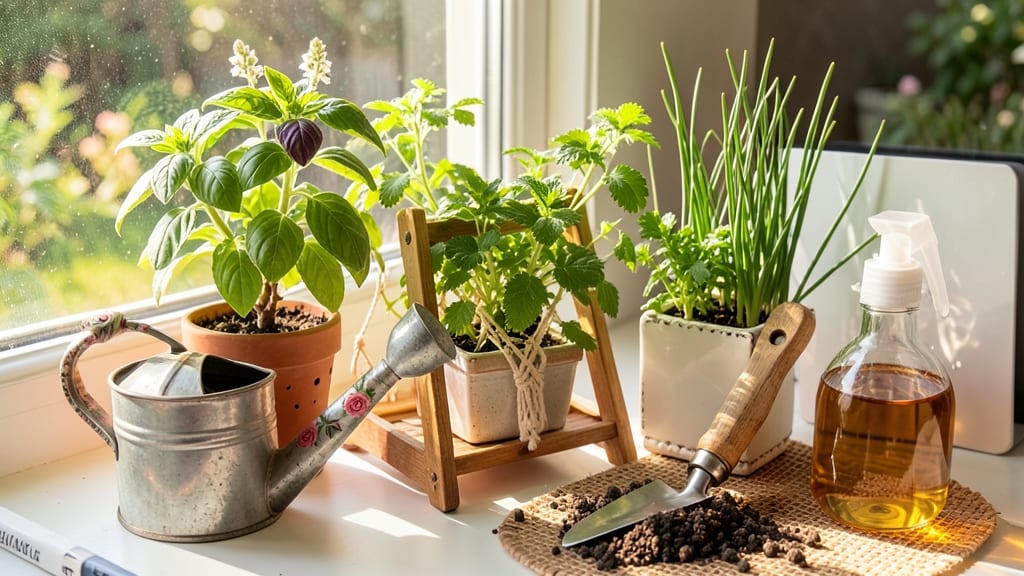
You don’t need a sprawling backyard to enjoy the joys of gardening—how to have a garden in an apartment is all about clever space solutions and the right plant choices. Imagine plucking fresh basil for your pasta or harvesting crisp lettuce for salads, all from your balcony or windowsill.
With the right setup, even the tiniest urban space can become a thriving green oasis.
Let’s be honest: apartment living often means limited square footage, but that shouldn’t stop you from growing your own 🌿 General Apartment Plants. Whether you’re working with a cozy windowsill or a small balcony, vertical gardens, hanging planters, and compact containers can transform your space into a productive garden.
The key is choosing plants that thrive in small pots and don’t demand constant attention.
In this guide, I’ll walk you through space-saving layouts that maximize your growing potential, from wall-mounted herb gardens to tiered planters that fit snugly on patios. You’ll also discover the top 5 easiest herbs and greens to grow indoors—no green thumb required.
Plus, I’ll share pro tips for optimizing light and water, so your plants stay happy without taking over your living room.
Ready to turn your apartment into a mini farm? By the end of this, you’ll have a clear plan to start growing fresh, homegrown produce—no matter how small your space. Let’s get those plants flourishing!
Best space-saving garden layouts for small apartments
Transforming your apartment into a lush garden starts with smart space-saving layouts. Even a tiny balcony or sunlit windowsill can become a productive growing area with the right approach. The key is maximizing vertical space and choosing compact, high-yield containers that fit your available light and airflow.
For renters or those with limited square footage, vertical gardening is a game-changer. Wall-mounted planters, hanging pockets, and tiered shelves can triple your growing space without taking up floor room. I’ve seen herb spirals on balconies that produce enough basil for an entire summer—no yard required!
Another clever trick is using underutilized spaces like above doorways, along staircases, or even inside closets with grow lights. Even a single south-facing window can support a microgreen setup or a row of cherry tomatoes in fabric grow bags. The goal? Make every inch work for you.
🌱
| Layout Type | Best For | Space Needed | Light Needs |
|---|---|---|---|
| Window Sill Planters | Herbs, lettuce, microgreens | 1–3 sq ft | Bright indirect (4+ hrs) |
| Vertical Wall Planters | Trailing plants, strawberries, succulents | 2–4 ft wall height | Partial to full sun (6+ hrs) |
| Tiered Shelf System | Mixed herbs, peppers, small veggies | 3–5 shelves (compact) | Bright indirect to direct |
| Hanging Pocket Planters | Cherry tomatoes, peppers, trailing herbs | Ceiling height clearance | Full sun (6–8 hrs) |
| Foldable Fabric Grow Bags | Root veggies, bush beans, carrots | 1–2 sq ft per bag | Full sun (8+ hrs) |
All layouts require drainage holes and well-draining soil.
Start with a window sill setup if you have limited space. Place shallow trays (4–6 inches deep) under south- or west-facing windows for fast-growing herbs like basil, parsley, and cilantro. These thrive in bright indirect light and can be harvested continuously all season long.
For larger yields, invest in a vertical planter system. Modular panels with pockets let you grow everything from leafy greens to compact tomatoes. I’ve used these on my balcony to grow enough cherry tomatoes for salads—no greenhouse needed!
Don’t overlook under-cabinet lighting for kitchens with poor natural light. LED grow lights (like the Spectrum 96000) can extend your growing season year-round. Pair them with self-watering planters to simplify care while you’re at work.
Pro tip: Rotate your plants weekly to ensure even light exposure. This prevents leggy growth and keeps your garden compact and productive. Even a 10-minute adjustment makes a big difference in plant health!
🪴
How to optimize light and water for indoor gardens
Even the smallest apartment can become a lush indoor garden with the right approach to light exposure and watering habits. Many plants thrive in bright indirect light, making them perfect for windowsills or shelves near natural light sources.
If your space lacks sunlight, grow lights can bridge the gap without breaking the bank.
Start by assessing your light conditions—south- or west-facing windows offer the most sunlight hours, while north-facing windows provide gentler, indirect light. For low-light areas, opt for light-loving plants like basil or leafy greens that tolerate partial shade.
Rotate your plants weekly to ensure even growth and prevent them from leaning toward the light.
When it comes to watering, consistency is key. Most container plants prefer deep but infrequent watering—allow the top inch of soil to dry out between sessions. Overwatering is a common pitfall in small spaces, so always use pots with drainage holes to prevent root rot.
In warmer months, you may need to water daily, while cooler seasons might require watering every 2–3 days.
Use a self-watering planter or wicking system to simplify care, especially if you travel often. These systems maintain even moisture levels without the risk of overwatering. For herbs like basil or mint, a spray bottle can help keep leaves hydrated without disturbing the soil.
Monitor your plants closely—wilting leaves or yellowing edges often signal over- or under-watering. Adjust your routine based on the season and plant type. For example, succulents need far less water than lettuce, so tailor your approach to each variety in your collection.
With the right balance of light optimization and smart watering, even a tiny balcony or windowsill can yield a bountiful harvest of fresh herbs and greens. Start small, observe your plants’ needs, and soon you’ll have a thriving apartment garden that rivals any backyard! 🌱