
Aphids
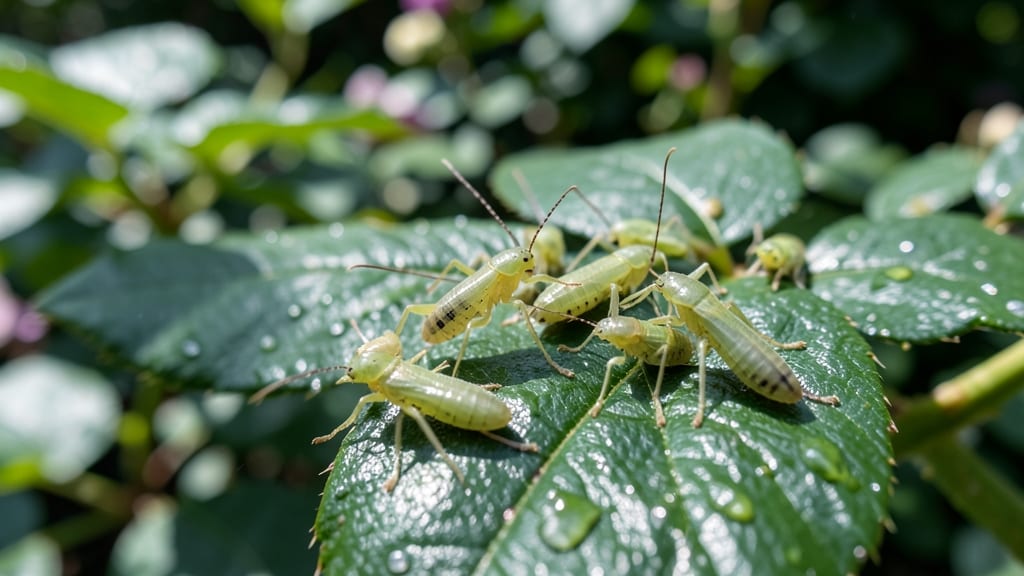
Those tiny green bugs on your plants aren't just annoying—they're stealing nutrients and spreading disease. 🌱 How to identify aphids on plants before they wreck your garden is key, and I've spent years watching them turn lush leaves into curled, sticky messes.
Aphids are usually 1/16-inch long, soft-bodied, and come in green, black, or white. Look for them clustered on new growth, under leaves, or along stems where they suck sap. Their telltale sign? A shiny, sticky residue called honeydew that attracts ants and sooty mold.
You'll notice leaves curling, wilting, or turning yellow faster than usual. Sometimes the whole plant looks stressed, even when watered properly. Catching them early means you can save your plants with simple solutions like spraying water or introducing ladybugs. This works for tomatoes, roses, or even houseplants.
The key is acting fast—aphids multiply in days. Let's get your garden back to healthy!
Root Causes Of Aphid Infestations
Aphids may seem like a minor annoyance, but their rapid multiplication and plant-sapping habits make them one of the most common garden pests. Understanding why they strike—and how to prevent it—is key to keeping your plants healthy.
Here’s a breakdown of the science behind aphid invasions, from environmental triggers to plant vulnerabilities.
Aphids thrive where plants are already struggling. When a plant’s natural defenses are compromised—whether from stress, poor nutrition, or disease—aphids detect these weaknesses and move in like uninvited guests at a buffet.
- Nutrient Deficiencies: Plants low in nitrogen, phosphorus, or potassium produce softer, more palatable leaves that aphids adore. A quick soil test can reveal if your plants are starving for essential nutrients.
- Overwatering or Drought Stress: Both extremes weaken plants. Overwatering creates soggy roots, while drought forces plants to divert energy away from defenses. Aphids exploit this by latching onto stressed foliage.
- Disease or Pest Damage: If your plants are already battling fungal infections, viral diseases, or other insects (like spider mites), aphids will follow. They’re opportunistic feeders, targeting plants that can’t fight back.
💡 Pro Tip: Boost plant resilience with compost tea or a balanced fertilizer (like 10-10-10) to strengthen cell walls and deter aphids before they arrive.
Aphids are cold-blooded creatures, meaning their activity levels skyrocket when temperatures and humidity align with their preferences. While they can survive in various climates, they explode in numbers under these conditions:
| Factor | Perfect Aphid Conditions | Avoid These Traps |
|---|---|---|
| Temperature | 60–80°F (15–27°C) | Extreme heat (>90°F) or frost slows them down |
| Humidity | Moderate to high (50–70%+) | Dry conditions (below 40%) dehydrate them |
| Shelter | Undersides of leaves, dense foliage, or greenhouses | Prune for airflow; avoid overcrowding plants |
✨ Key Insight: Greenhouses and indoor plants are aphid magnets because they provide consistent warmth and humidity. Use yellow sticky traps near vents to monitor and reduce populations early.
Aphids have a sweet tooth—literally. They’re drawn to the sugary sap of new shoots, buds, and tender leaves because these areas are rich in simple sugars and thin-skinned, making them easy to penetrate.
- Why New Growth? Young plant tissue has higher water content and fewer defensive compounds (like tannins), so aphids can feed without triggering a chemical alarm.
- Seasonal Patterns: Spring and early summer trigger rapid plant growth, which coincides with aphid hatching. This is why outbreaks often peak in May and June.
- Ant Farm Effect: Some aphid species (like Myzus persicae) produce honeydew, a sticky sugar waste that attracts ants. Ants, in turn, protect aphids by herding them to the most nutritious parts of the plant.
🎯 Prevention Hack: Pinch off tender new growth regularly to remove aphid hotspots. If you see ants trailing up your plants, act fast—they’re aphid bodyguards.
Sometimes, we accidentally create the perfect aphid paradise. Poor gardening practices or unintentional introductions can turn your backyard into an aphid buffet. Here’s how:
- Over-Fertilizing with Nitrogen: Too much nitrogen = soft, fast-growing leaves = aphid heaven. Use a balanced fertilizer (e.g., 5-5-5) to avoid overfeeding.
- Bringing Infested Plants Indoors: New houseplants, garden center purchases, or even wildflowers can carry hidden aphids. Quarantine new plants for 2 weeks before introducing them to your garden.
- Ignoring Beneficial Insects: Ladybugs, lacewings, and parasitic wasps eat aphids. Pesticides (even organic ones) can kill these predators, leaving aphids unchecked.
- Poor Sanitation: Dead leaves, plant debris, and weedy areas provide hibernation spots for aphid eggs. Clean up thoroughly in fall and winter to starve them out.
🔥 Quick Fix: If you suspect a recent purchase is the culprit, isolate it and treat it with neem oil before it spreads. Aphids can’t jump—only wind or insects carry them, so containment works!
How to Treat and Prevent Aphid Infestations
Once you’ve spotted those pesky aphids wreaking havoc on your plants, it’s time to act! The good news? There are effective, eco-friendly, and easy-to-follow solutions to kick them out for good.
Below, we’ll break down the best fixes based on the cause of the infestation, plus prevention tips to keep your garden aphid-free long-term.
If your plants are lightly infested (early stages), a homemade spray can work wonders without harsh chemicals.
🍳 DIY Soap Spray (Best for Small Infestations)
What you’ll need:
- 1 tbsp mild liquid soap (like Castile soap or dish soap—avoid detergent)
- 1 quart (32 oz) water
- Optional: 1 tsp neem oil (for extra power)
How to make it:
- Mix the soap and water in a spray bottle.
- Add neem oil if using, then shake well.
- Spray directly on aphids (both tops and undersides of leaves) until leaves are glistening wet.
- Reapply every 3–5 days until aphids disappear.
✅ Why it works: Soap disrupts aphids’ waxy outer layer, dehydrating them. Neem oil also repels future pests.
💡 Pro Tip: Test the spray on a small leaf first—some plants (like tomatoes) are sensitive to soap.
🌿 Neem Oil Solution (Long-Term Prevention & Treatment)
What you’ll need:
- 1 tbsp neem oil
- 1 tsp honey or dish soap (as an emulsifier)
- 1 quart water
How to use:
- Mix ingredients in a spray bottle.
- Spray evenly on leaves (focus on aphid hotspots).
- Apply in the evening (neem oil can burn leaves in direct sunlight).
- Reapply weekly for prevention or every 2–3 days during an outbreak.
✅ Why it works: Neem oil disrupts aphid life cycles, making it harder for them to reproduce.
🌡️ Pro Tip: Store neem oil in a cool, dark place—it degrades in sunlight.
Instead of chemicals, invite aphid predators to your garden! These creatures eat aphids faster than you can say “pest control.”
| Predator | What It Eats | How to Attract It |
|---|---|---|
| Ladybugs | Aphids, mites | Plant dill, fennel, or marigolds; avoid pesticides. |
| Lacewings | Aphids, eggs | Use lacewing egg cartons (available online) or plant cosmos, dandelions. |
| Parasitic Wasps | Aphid larvae | Plant clover, yarrow, or alyssum—they love these flowers. |
| Birds (like chickadees) | Adult aphids | Add a bird feeder or birdbath near your garden. |
💡 Pro Tip: Release ladybugs in the early morning or late evening—they’ll stick around longer if it’s cooler.
For small, isolated infestations, sometimes the best solution is manual removal.
👨🌾 How to Squish Aphids (Yes, Really!)
- Wear gloves (aphids can irritate skin).
- Rub your fingers over leaves—aphids will cling to your skin.
- Wipe them off on a paper towel or flush them down the toilet.
- Repeat daily until no more are visible.
✅ Best for: Houseplants, small gardens, or early-stage outbreaks.
💡 Pro Tip: If you have many plants, use a strong stream of water to knock aphids off leaves.
The key to aphid-free plants? Prevention. Here’s how to stop them before they start:
🌱 Strengthen Your Plants
- Healthy plants = less aphid appeal. Ensure your plants get:
- Enough sunlight (most plants need 6+ hours/day).
- Proper watering (don’t overwater—aphids love stressed plants).
- Balanced fertilizer (too much nitrogen = soft, aphid-loving growth).
🌿 Plant Smart: Aphid-Repellent Companions
Some plants naturally deter aphids. Interplant these with your vulnerable crops:
- Garlic & onions (strong scent confuses aphids).
- Chives & mint (aphids avoid their smell).
- Marigolds & nasturtiums (trap aphids away from your veggies).
🧼 Cleanliness Is Key
- Remove debris (aphids hide in dead leaves and weeds).
- Prune regularly (overcrowded plants attract pests).
- Inspect new plants before bringing them indoors or into the garden.
🛡️ Barrier Methods
- Row covers (fine mesh) can physically block aphids from reaching plants.
- Sticky traps (yellow or blue) catch flying aphids before they land.
If your plants are severely infested (leaves curled, black sooty mold, or aphids everywhere), it’s time for stronger measures:
- Insecticidal soap (harsher than DIY versions—follow label instructions).
- Horticultural oil (works like neem oil but kills faster).
- Systemic insecticides (like imidacloprid)—use as a last resort (they can harm beneficial insects).
💡 Pro Tip: If using chemicals, apply in the evening to protect bees and other pollinators.
Aphids may be tiny and annoying, but with the right mix of organic sprays, beneficial insects, and prevention, you can regain control of your garden—without toxic chemicals. Start with one or two methods, monitor progress, and adjust as needed.
Your plants will thank you! 🌿💚
Frequently asked questions
What do aphids look like under a magnifying glass?
Aphids are tiny, soft-bodied insects (about 1/16-inch long) with pear-shaped bodies. They come in colors like green, black, white, or brown, and often have long antennae and two tube-like structures called cornicles at their rear. Their waxy coating makes them feel slightly sticky to the touch.
How can I tell if sticky residue on my plants is from aphids?
The shiny, sticky substance is called honeydew, and it’s a dead giveaway. If you see it on leaves or along stems, aphids are likely feeding nearby. Over time, honeydew can attract ants and promote sooty mold (a black fungal growth), which blocks sunlight and weakens plants.
Are all tiny green bugs on plants aphids?
Not always! Other pests like whiteflies, spider mites, or psyllids can look similar. Check for key differences: aphids have cornicles (tail pipes), while whiteflies are smaller and flutter when disturbed. Spider mites leave fine webbing and cause yellow stippling on leaves.
Can aphids survive winter?
Yes, aphids have survival strategies! Many species lay eggs on plant stems or in soil that hatch in spring. Others produce winged adults to seek shelter in greenhouses, homes, or under bark. Cold snaps can kill them, but mild winters often mean they return stronger in spring.
Why do aphids cluster on new plant growth?
New shoots and buds are aphids’ favorite buffet! These areas have thin, tender skin and high sugar content, making them easy to pierce and nutrient-rich. Plus, young leaves lack the tough defenses of mature foliage, so aphids can feed without triggering strong plant responses.