
Blooming
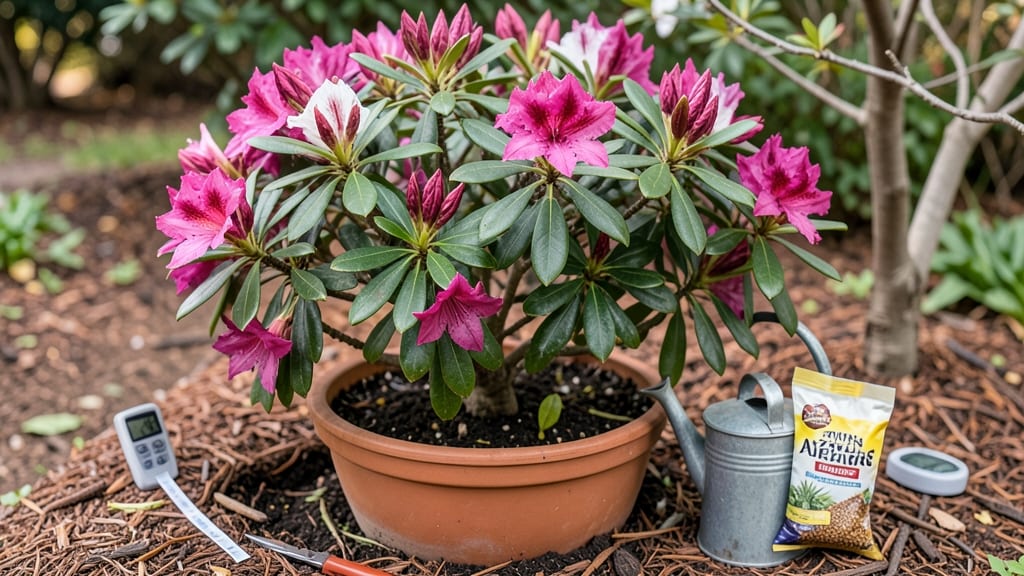
How to keep azaleas blooming year after year—but they’re probably not. 🌸 The secret isn’t just water or fertilizer; it’s timing, soil, and a few simple pruning tricks most gardeners miss. I’ve revived struggling azaleas by fixing just these three things, and the difference is night-and-day color.
Most people prune at the wrong time, feed with the wrong stuff, or ignore the soil’s acidity. Azaleas hate alkaline soil—they need pH between 4.5 and 6.0, like a rainforest floor.
And pruning right after blooms (not in spring!) tells the plant, “Go ahead, make more flowers.” One wrong cut, and you’ll wait a year for buds.
By summer’s end, you’ll see fat, healthy buds forming for next spring. The flowers stay vibrant longer, the branches fill out, and you’ll finally have that showstopping display you’ve been dreaming of. No more sparse, sad blooms—just lush, repeat performances.
Works for both container azaleas and in-ground shrubs. Let’s get your bushes back on track—starting with the soil test you’ve been putting off.
📚 In This Guide
- What you need
- Instructions
- Tips and common mistakes
- Wrapping up and next steps
What you need
- ● Pruning shears – Sharp, bypass-style (1 pair; clean with rubbing alcohol after use).
- ● Garden gloves – Durable, cut-resistant (1 pair; protects hands from thorns).
- ● Balanced fertilizer – 10-10-10 or 8-8-8 NPK ratio (1–2 lbs, depending on plant size).
- ● Slow-release granules – 13-14-5 or azalea-specific (1 bag, ~10 lbs).
- ● Organic mulch – Pine bark or pine needles (2–3 inches, enough to cover root zone).
- ● Watering can or hose – With adjustable nozzle (for deep, even watering).
- ● pH test kit – For soil acidity check (1 kit; azaleas love pH 4.5–6.0).
- ○ Aluminum sulfate or sulfur – For acidifying soil if needed (1 lb; optional but helpful for alkaline soil).
- ● Epsom salt – Magnesium boost (½ cup per plant, mixed into soil).
- ● Compost or worm castings – For natural soil enrichment (1–2 gallons).
- ● Reflective mulch – White or silver (to deter pests like slugs).
- ● Plant supports – For large or leggy azaleas (1–2 stakes or cages).
- ● Fungicide spray – Copper-based (for powdery mildew prevention; 1 bottle).
Step-by-Step instructions for year-round azalea bloom success
Here’s the method I’ve used to keep my azaleas flowering like clockwork—no deadheading drama or guesswork.
✂️ Step 1: Prune After Blooming (But Not Too Late!)
Azaleas bloom on last year’s growth, so timing matters. Once flowers fade completely, trim back spent blooms to the first set of healthy leaves below the flower cluster. I use clean, sharp pruners to avoid tearing stems—this prevents disease and keeps the plant focused on next year’s buds.
Don’t cut into old wood (the brown, woody stems). You’ll know you’ve gone too far if you see bare, leafless branches. Aim to shape the shrub while removing only about 1/3 of the oldest growth. This keeps the plant compact and encourages new flower buds to form along this year’s stems.
☀️ Step 2: Position for Morning Sun and Afternoon Shade
Azaleas thrive in morning sunlight and afternoon shade, especially in hot climates. I place mine where they get 3-4 hours of direct sun in the morning, then shelter them from the harsh afternoon rays. Too much sun causes leaf scorch, and too little sun means fewer blooms.
Watch for leaves turning yellow or crispy edges—that’s your cue to move the plant to a shadier spot. If you’re growing in containers, rotate the pot quarter-turn weekly so all sides get even light exposure. This prevents lopsided growth and ensures blooms appear uniformly.
💧 Step 3: Water Deeply and Keep Soil Acidic
Azaleas hate soggy soil but also can’t tolerate drought. Water deeply once a week (more in extreme heat) until water runs out the drainage holes. I water at the base, not overhead, to avoid fungal issues. Mulch with 2-3 inches of pine bark or pine needles to retain moisture and slowly acidify the soil.
Test soil pH every 6 months—azaleas need 4.5-6.0. If your soil is alkaline, amend it with sulfur or peat moss. Yellow leaves with green veins? That’s classic alkaline soil stress. A simple soil test kit solves the mystery.
🌿 Step 4: Feed with Acidic Fertilizer in Early Spring
Azaleas bloom best with a balanced, acidic fertilizer (like 8-8-8 or 10-10-10 with iron). Apply it in early spring, just as new growth appears, and again in late summer. I sprinkle granules around the drip line and water them in immediately—this prevents root burn.
Avoid high-nitrogen fertilizers in fall or winter. Too much nitrogen then delays bud formation. If your azaleas bloom sparsely, they might need a boost of iron chelate—yellow leaves with green veins often signal iron deficiency.
⏰ Step 5: Protect from Late Freezes and Winter Stress
Azaleas are tender in winter. If your area gets below 10°F, wrap young plants in burlap or use frost blankets. I also avoid pruning in late fall—wait until after the last frost to let the plant set buds for next year’s blooms.
Watch for bud drop in winter. If buds swell but then fall off, it’s usually due to temperature swings. Mulch heavily in late fall to insulate roots, and water occasionally if winter is dry. A deep soak in late winter (before buds swell) gives roots a hydration boost for the blooming season ahead.
Tips & tricks for perfect azalea bloom maintenance
These little details make all the difference between azaleas that put on a show and ones that barely bloom.
Pruning Precision: When you're shaping in Step 1, look for the first set of healthy leaves just below the flower cluster—this is your stopping point. I learned this the hard way after accidentally cutting into old wood, which left my azaleas looking bare and stressed. The goal is to remove only about one-third of the oldest growth, so don't overthink it—just follow the natural shape of the plant.
Sunlight Strategy: That 3-4 hours of morning sun in Step 2 is non-negotiable for vibrant blooms. I've found that azaleas in containers need extra attention—rotate them quarter-turn weekly to prevent lopsided growth. Watch for crispy leaf edges as your early warning sign for too much afternoon sun. If you notice this, move the plant to a shadier spot immediately.
Soil Science: The 2-3 inches of pine bark mulch in Step 3 isn't just for looks—it slowly acidifies the soil while retaining moisture. I test my soil pH every 6 months because azaleas are particular about their environment. If you see yellow leaves with green veins, that's your signal to amend with sulfur or peat moss. A simple soil test kit makes this easy to diagnose.
Winter Protection: When temperatures drop below 10°F in Step 5, young azaleas need extra care. I wrap mine in burlap and avoid pruning until after the last frost—this lets the plant set buds for next year's blooms. That deep soak in late winter before buds swell gives roots the hydration boost they need to perform their best.
Pro Tips for Keep Azaleas Blooming
- These little details make all the difference between azaleas that put on a show and ones that barely bloom.
- Pruning Precision: When you're shaping in Step 1, look for the first set of healthy leaves just below the flower cluster—this is your stopping point.
- Sunlight Strategy: That 3-4 hours of morning sun in Step 2 is non-negotiable for vibrant blooms.
Frequently asked questions
about keeping azaleas blooming—because even the pros need a little extra guidance!Why are my azaleas blooming less this year?
Azaleas may skip blooms due to over-fertilizing with high-nitrogen feeds, poor sunlight, or stress from extreme temps. Check your pruning habits too—cutting back after blooming (not before) is key. If buds form but drop, it could signal pests, disease, or root shock.
When should I fertilize azaleas for next year’s blooms?
Feed azaleas twice a year: once in early spring (March) with an acid-loving fertilizer (8-4-8 or 10-10-10), and again in late summer (August) to encourage bud formation. Avoid fall/winter feeding—it can spur tender new growth that won’t survive frost.
Can I prune azaleas after they bloom?
Yes! Prune right after blooming (April–May) to shape the shrub and remove spent flowers. Never prune in fall or winter—you’ll cut off next year’s buds. Use clean, sharp shears and avoid “topping” (cutting the top flat), which stresses the plant. Pro tip: Thin out crowded branches for better airflow.
Do azaleas need full sun to bloom?
Nope! Azaleas thrive in partial shade (morning sun + afternoon shade). Too much direct sun (especially in hot climates) can scorch leaves and reduce blooms. If your azaleas are in full sun, consider light afternoon shade or a reflective mulch to protect roots.
What’s the best mulch for azaleas to keep them blooming?
Use 2–4 inches of organic mulch like pine bark, wood chips, or pine straw to retain moisture and acidify the soil. Avoid dyed mulch or cedar chips—they can harm roots. Refresh mulch annually, keeping it 2–3 inches away from the trunk to prevent rot. Bonus: Mulch also deters weeds!
Why do my azaleas have holes in the leaves?
Holes in leaves? Likely azalea lace bugs or Japanese beetles! Spray leaves with neem oil or insecticidal soap for mild infestations. For severe damage, use a systemic insecticide (like imidacloprid) early in the season. Prevention tip: Keep your garden clean and attract beneficial predators like ladybugs!
Wrapping up and next steps
Keeping your azaleas blooming year after year is all about consistent care—pruning at the right time, feeding with the proper nutrients, and giving them the sunlight they crave. With these simple yet powerful steps, you’ll transform your garden into a vibrant, ever-blooming paradise. 🌸
Ready to see your azaleas thrive? Start today—pick one tip from this guide and put it into action! Whether it’s trimming those spent blooms or adjusting their sunlight spot, every small effort adds up to stunning results. Happy gardening! 🌿