
Blooming
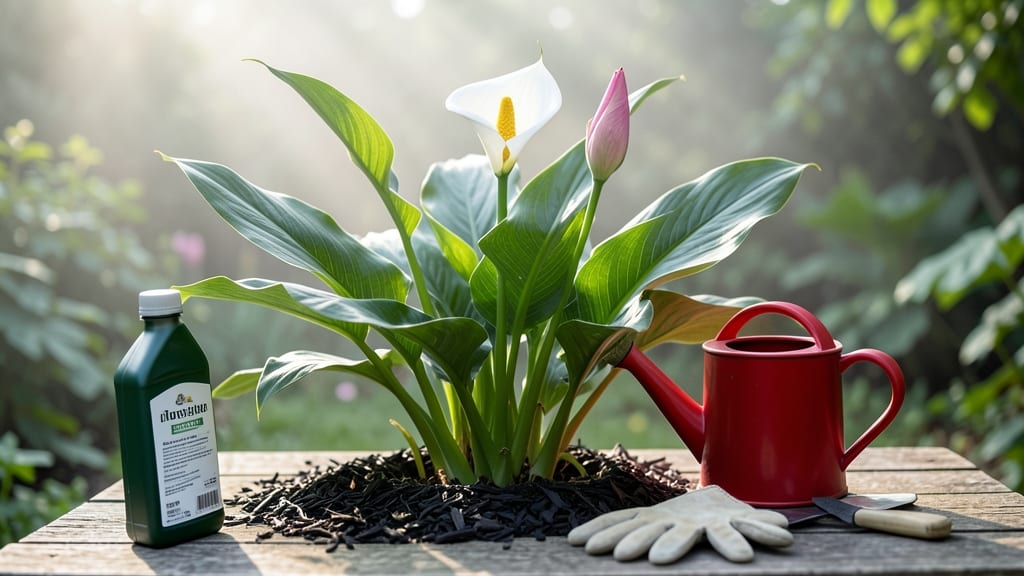
How to keep calla lilies blooming is all about mastering the balance of light, timing, and patience—not just soil or water. 🌿 I’ve watched these dramatic blooms fade mid-season because of one overlooked habit: ignoring their dormancy needs or over-fertilizing. The fix is simpler than you’d think, and it starts with pruning at the right moment. Most gardeners prune too late or too aggressively, sending the plant into shock. Instead, trim spent foliage after blooming ends but before dormancy kicks in—usually late summer. Feed them every 4-6 weeks with balanced fertilizer (10-10-10), but cut back in fall to let them rest. Indoor callas? Move them near a south-facing window or under grow lights for 12+ hours daily. By next spring, you’ll see bold, healthy spikes instead of sparse blooms. The secret isn’t just feeding—it’s matching their natural cycle. Even outdoor callas in Zone 8+ need a cool winter break to rebound. Skip this, and you’ll end up with lush leaves but no flowers. For stubborn non-bloomers, check for pests (aphids, spider mites) or root-bound pots—both steal energy from flowers. A quick soil check and repotting in fresh mix can work wonders. Let’s get those blooms back!
📚 In This Guide
- What you need
- Instructions
- Tips and common mistakes
- Wrapping up and next steps
What you need
- ● Well-draining potting mix: 5–10 gallons (depending on pot size), with a focus on organic matter (e.g., peat moss, coconut coir, or compost). Avoid heavy clay soils.
- ● Balanced liquid fertilizer: 10-10-10 or 20-20-20 NPK ratio, diluted to half-strength (1 tbsp per gallon of water). Use every 2–4 weeks during the growing season.
- ○ Slow-release fertilizer (optional but helpful): 1–2 cups of osmocote or similar mixed into the soil at planting for steady nutrients.
- ● Pruning shears: Sharp, sterilized shears (or clean scissors) to trim spent blooms and foliage.
- ● Watering can or hose with a gentle nozzle: For deep but not soggy watering (aim for 1–1.5 inches per week, adjusting for climate).
- ● Containers with drainage holes: Pots 12+ inches deep (for mature plants) or nursery pots for younger lilies. Terracotta or fabric pots work best.
- ○ Mulch (optional but recommended): 1–2 inches of organic mulch (e.g., shredded bark or straw) to retain moisture and regulate soil temp.
- ● Epsom salt: 1 tbsp dissolved in 1 gallon of water (monthly) for magnesium boost, especially if leaves yellow.
- ● Grow lights or LED bulbs: For indoor lilies—provide 12–14 hours of light daily if natural light is insufficient.
- ● Soil pH test kit: Calla lilies prefer acidic to neutral soil (pH 6.0–7.0). Adjust with lime or sulfur if needed.
- ● Compost tea or fish emulsion: For a natural nutrient kick during blooming season.
- ● Support stakes or cages: If your lilies grow tall (e.g., Zantedeschia aethiopica), lightweight stakes can prevent flopping.
Step-by-Step instructions for season-long calla lily blooms
Here’s my foolproof method for keeping calla lilies flowering like clockwork—no more sad, bare stems midseason.
🌱 Step 1: Prune Strategically After Each Flowering Cycle
Once a calla lily’s flower stalk fades and wilts, snip it off at the base with clean, sharp scissors. I always cut just above the first healthy leaf node—this prevents disease from lingering in dead tissue. Don’t wait until the stalk turns brown; prune when the bloom starts drooping, usually 3-5 days after opening.
Here’s the thing—calla lilies store energy in their rhizomes. If you leave dead stalks, the plant diverts nutrients to seed production instead of new blooms. After pruning, water deeply to help the rhizome recover. You’ll see new flower stalks emerging from the center within 4-6 weeks if conditions are right.
💧 Step 2: Feed with the Right Balance of Fertilizer
Calla lilies are heavy feeders but hate excess nitrogen—it gives you lush leaves and zero flowers. I use a balanced 10-10-10 fertilizer (or a bloom-boosting 5-10-10) every 4-6 weeks during active growth. Apply it when the soil is moist to avoid burning roots, and always follow the label for dosage.
In late summer, switch to a low-nitrogen, high-phosphorus fertilizer (like 2-10-10) to encourage root development and next year’s blooms. Overfeeding in fall can lead to weak growth and fewer flowers the following season. Water thoroughly after each feeding to help nutrients penetrate the soil.
☀️ Step 3: Adjust Light Exposure for Continuous Blooming
Calla lilies need bright, indirect light for 6-8 hours daily. Too much direct sun scorches leaves, while too little light stretches stalks and reduces blooms. If your lilies are indoors, place them near an east-facing window or under a grow light for 12-14 hours daily.
Outdoor calla lilies thrive in partial shade—think dappled sunlight under trees. If you notice leaves turning yellow or stems elongating, move them to a slightly brighter spot. The goal is compact, sturdy stalks with tight buds, not leggy, sparse growth. A little afternoon shade in hot climates prevents heat stress and keeps flowers vibrant.
✂️ Step 4: Divide and Refresh Rhizomes Every 2-3 Years
Overcrowded rhizomes lead to fewer blooms because energy is split between too many plants. In early spring, carefully dig up clumps and separate them into sections with 2-3 healthy rhizomes each. Trim any damaged or soft spots with sterilized scissors, then replant the divisions in fresh soil.
This is the moment that matters: fresh divisions in well-draining soil with a handful of compost will reward you with more blooms next season. Water lightly after replanting and avoid fertilizing for 4-6 weeks to let roots establish. You’ll see new growth within 3-4 weeks, signaling the plant is settling in for another flowering cycle.
🌿 Step 5: Protect from Pests and Disease
Slugs and snails are calla lilies’ worst enemies—they’ll devour leaves and flower buds overnight. I use copper tape barriers around pots or apply beer traps (a shallow dish of beer buried at soil level) to keep them away. Check plants daily after rain, when slugs are most active.
For fungal issues like leaf spot, remove affected foliage immediately and treat with a copper fungicide or neem oil spray. Preventative care is key—water at the base (not overhead) and avoid letting leaves stay wet for long periods. Healthy calla lilies with strong stems resist pests better than stressed ones.
Tips & tricks for perfect season-long calla lily blooms
These simple but game-changing tricks will help your calla lilies put on a nonstop floral show all season.
Timing is Everything: In Step 1, when pruning faded blooms, don't wait until they're completely brown—act when they start drooping (usually 3-5 days after opening). This prevents the plant from wasting energy on seed production. I've seen calla lilies produce new blooms in just 4-6 weeks when pruned at the right moment. The key is to stay ahead of the plant's natural cycle rather than reacting to decline.
Lighting Secrets: For indoor calla lilies, I recommend using a grow light for 12-14 hours daily if natural light is insufficient. Position it 6-12 inches above the plants and use a timer to maintain consistency. The 6-8 hours of bright indirect light mentioned in Step 3 is crucial—if your lilies start stretching toward the light, they're not getting enough. A little afternoon shade outdoors prevents heat stress that can cause buds to drop before opening.
Fertilizer Strategy: When switching to low-nitrogen fertilizer in late summer (Step 2), I like to mix it with a handful of compost into the top inch of soil. This gives roots a gentle nutrient boost without overwhelming the plant. The 4-6 week feeding schedule works best when paired with deep watering—this helps nutrients penetrate to the rhizomes where they're needed most for next season's blooms.
Pest Prevention: After dealing with slug damage twice, I now create a double barrier defense: copper tape around pots AND a shallow dish of beer buried at soil level. Check these traps daily after rain—slugs are most active then. For fungal issues, I've found neem oil spray works better than copper fungicide for preventing leaf spot, especially in humid conditions. The secret is prevention: water at the base and avoid overhead watering completely.
Pro Tips for Keep Calla Lilies Blooming
- These simple but game-changing tricks will help your calla lilies put on a nonstop floral show all season.
- Timing is Everything: In Step 1, when pruning faded blooms, don't wait until they're completely brown—act when they start drooping (usually 3-5 days after opening).
- Lighting Secrets: For indoor calla lilies, I recommend using a grow light for 12-14 hours daily if natural light is insufficient.
Frequently asked questions
Got questions about keeping your calla lilies in full bloom? You’re not alone!
Here are answers to the most common queries—from pruning puzzles to light struggles—so you can enjoy those stunning blooms all season long.
Why are my calla lilies only blooming once and then stopping?
Calla lilies often bloom in cycles, but if they’re only flowering once, it’s usually due to lack of care after the first flush. Deadhead spent blooms promptly, and ensure they’re getting bright, indirect light (6+ hours daily). Overcrowded roots or nutrient depletion can also stunt reblooming—try repotting every 2–3 years or fertilizing with a balanced bloom booster every 4–6 weeks.
How long does it take for calla lilies to rebloom after pruning?
With proper pruning (cutting back yellow leaves and spent stalks to the base), calla lilies typically rebloom in 6–8 weeks. If you prune too late in the season (after late summer), they may go dormant instead. For year-round blooms, prune in early spring after the last frost and keep them in warmth (65–75°F) with consistent moisture.
Can I keep calla lilies blooming indoors year-round?
Indoors, calla lilies thrive with bright, filtered light near a east- or west-facing window. Supplement with a grow light (12–14 hours/day) if natural light is lacking. Keep humidity high (use a pebble tray or humidifier) and avoid drafts. Pro tip: Rotate the pot weekly for even growth, and fertilize lightly every 2 weeks in spring/summer.
My calla lily leaves are yellowing—will it still bloom?
Yellow leaves usually signal overwatering, root rot, or nutrient deficiency. First, check the soil—it should be moist but not soggy. If roots smell foul or are mushy, trim the bad ones and repot in fresh, well-draining mix. Adjust watering (let the top inch dry out between waterings) and feed with a low-nitrogen fertilizer (like 5-10-10). With care, it can still bloom, but severe rot may require replacing the plant.
Are there calla lily varieties that bloom more easily than others?
Yes! ‘Black Star’ and ‘Pink Fantasy’ are known for prolific reblooming with minimal fuss. For longer stems and bigger blooms, try ‘Etienne’ or ‘Captain Crawley’. Black calla lilies (Zantedeschia aethiopica) are hardier and often bloom more reliably than exotic hybrids. Choose based on your climate—tropical varieties need warmth, while hardy types tolerate cooler temps.
| Quick Fixes for Common Issues | Solution |
|---|---|
| No blooms after months of growth | Increase light or fertilize with phosphorus-rich food (like 10-20-10). |
| Drooping leaves | Check soil moisture—underwatering causes wilting, while overwatering causes yellowing. |
| Small or sparse blooms | Repot in fresh, nutrient-rich soil and prune crowded roots. |
Wrapping up and next steps
Keeping your calla lilies blooming is all about consistent care—pruning spent blooms, feeding them right, and giving them the perfect light and water balance. With these simple tricks, you’ll enjoy stunning, long-lasting flowers season after season! 🌸
Ready to show off your thriving calla lilies? Start by revisiting your care routine—adjust as needed and watch those blooms shine brighter than ever! 🌟