
Pests
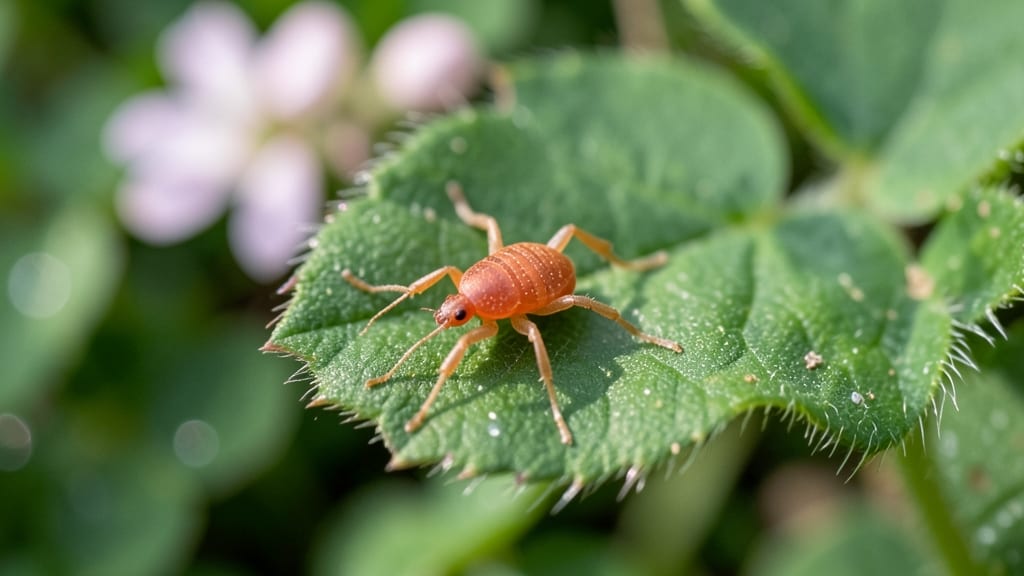
How to keep clover mites away from turning your patio into a red, crawling nightmare. 🌿 I’ve battled these tiny invaders for years, and I’ve finally found a foolproof barrier spray that keeps them out—no harsh chemicals required. These pests thrive where grass meets concrete, and once they move inside, they’re nearly impossible to eliminate. The key is stopping them before they cross that invisible line. A simple spray mix of soapy water and neem oil creates a natural barrier they’ll avoid, while proper lawn care removes their favorite hiding spots. By next week, your outdoor furniture will stay clean, and those tiny red specks won’t ruin your summer. The spray is easy to mix, lasts for weeks, and works for decks, patios, and even garden edges. Best part? It’s a one-time fix that prevents future invasions. Let’s make your outdoor space yours to enjoy—not theirs to infest.
The Hidden Triggers Behind Clover Mites
Clover mites may seem like a sudden nuisance, but they’re actually drawn to your home by a mix of environmental and behavioral factors. Understanding these triggers is the first step to stopping them before they invade.
Here’s why these tiny red pests show up uninvited—and how they exploit your outdoor space.
Clover mites thrive in grassy areas, especially where clover, alfalfa, or other low-growing plants dominate. Here’s why your yard becomes their buffet:
- Host Plant Availability: Clover mites feed on the sap of leguminous plants (like clover, alfalfa, and vetch).
If your lawn has patches of these plants—or if neighboring properties do—they’ll migrate toward your home in search of a meal. - Moisture Retention: Overwatered or poorly drained lawns create the perfect humid microclimate for clover mites.
They prefer 60–80% humidity, which is common in damp grass after rain or irrigation. - Lack of Predators: Healthy lawns with diverse plant life attract natural predators (like ladybugs, spiders, and birds) that keep mite populations in check. A monoculture lawn (mostly grass) offers little resistance.
Actionable Insight: Regular mowing, aeration, and reducing clover patches can disrupt their food source. 🌱
Clover mites don’t just wander randomly—they’re drawn to specific features of your house that make it an ideal hiding spot:
- Dark, Sheltered Entry Points: They seek cracks in foundations, gaps under doors, and spaces around windows where they can escape predators and temperature swings.
A single 1/16-inch gap is enough for them to squeeze in! - Heat and Light Attraction: During warm, sunny days, clover mites climb surfaces (like walls, fences, and even your car) to absorb heat.
When temperatures drop in the evening, they scurry indoors in search of warmth. - Prey on Other Pests: Clover mites often hitchhike on ants, spiders, or even wind currents to reach new locations. If your home already has a pest problem, they’re more likely to follow.
Actionable Insight: Seal entry points with caulk or weatherstripping, and consider outdoor lighting that doesn’t attract insects (like yellow bug lights). 🔦
Clover mites are highly sensitive to seasonal changes, and certain weather conditions turn your yard into a mite magnet:
- Spring and Fall Migrations: These are their peak activity seasons because: - Spring: Warmth triggers their reproductive cycle, and they seek new feeding grounds. - Fall: Cooling temperatures push them indoors to survive winter. - Wind and Rain: Strong winds can blow them long distances, while rain washes them off plants and toward sheltered areas—like your home’s foundation. - Drought Followed by Rain: A dry spell weakens plants, making them more vulnerable to mite infestations.
When rain returns, mites multiply rapidly on stressed vegetation.
Actionable Insight: Monitor local weather forecasts and take preventive measures (like spraying barriers) before seasonal migrations peak. 🌧️
Many homeowners unknowingly encourage clover mites by mistaking them for harmless (or even helpful) insects:
- Mistaking Them for Spiders or Ticks: Their tiny size (1/32-inch) and red color can make them look like harmless arachnids.
But unlike spiders, they don’t spin webs—they just cluster in large numbers. - Ignoring Early Signs: Small red dots on windowsills or tiny webs in corners are often dismissed as dust or spider activity.
By the time you notice thousands of mites, they’ve already established a foothold.
Actionable Insight: Learn their distinctive signs (tiny red specks, rust-colored stains, and no webs) to catch infestations early. 🔍
Even if your lawn is well-maintained, clover mites can travel from nearby properties through:
- Shared Fences or Walls: Mites can crawl along structures to reach your home.
- Public Parks or Green Spaces: If a nearby clover field, golf course, or agricultural area is infested, mites will drift toward residential zones.
- Wildlife Activity: Birds, squirrels, and even domestic pets can unintentionally transport them on fur or feathers.
Actionable Insight: Coordinate with neighbors to treat large outdoor areas simultaneously for maximum effect. 🏡🤝
Certain human activities accelerate clover mite populations by altering their natural ecosystem:
- Overuse of Pesticides: While pesticides target other pests, they can disrupt predator-prey balances, leaving clover mites with fewer natural enemies.
- Artificial Fertilizers: Excess nitrogen in lawns can stress plants, making them more susceptible to mite infestations.
- Plastic or Treated Surfaces: Mites avoid rough, untreated wood but thrive on smooth surfaces (like vinyl siding or plastic mulch), which provide easy climbing paths to your home.
Actionable Insight: Use organic lawn treatments and natural barriers (like diatomaceous earth) to maintain balance. 🌿🚫
Beat Clover Mites Naturally
Clover mites may be tiny, but their presence can feel like a full-blown invasion. The good news? With the right strategies, you can stop them in their tracks without harsh chemicals. Below, we’ve mapped out practical solutions for each common cause—plus prevention tips to keep them from returning.
Clover mites thrive in unkempt yards where they can hide and multiply. If your lawn is their buffet, it’s time to cut off their food source.
- 🔪 Mow regularly: Keep grass at 3–4 inches tall to reduce hiding spots. Tall grass = clover mite paradise.
- 🌱 Remove weeds and clover patches: Use a hoe or pull them by hand (wear gloves!). Focus on white clover, their favorite snack.
- 💡 Pro tip: Mulch or cover bare soil with wood chips or gravel to deter mites from nesting.
Clover mites hitch rides on pets, shoes, and outdoor furniture. A few simple barriers can block their entry.
- 🧦 Inspect pets after walks: Wipe down fur with a damp cloth, especially legs and belly. Consider a fine-mesh pet door to keep mites out.
- 👟 Shake out shoes and clothes: Before entering, give them a quick outdoor shake or store them in a sealed bin.
- 🪟 Seal gaps around doors/windows: Use weather stripping or door sweeps to close cracks where mites sneak in.
Patio furniture, grills, and play structures collect mites like a magnet. A deep clean can remove them before they invade your home.
- 🧼 Spray furniture with soapy water: Mix 1 gallon warm water + 1 tbsp dish soap. Scrub brushes, cushions, and frames.
- 🔥 Heat treatment for stubborn spots: Place plastic-wrapped items (like grills) in the sun for a few hours—mites can’t survive extreme heat.
- 🌡️ Pro tip: Store outdoor gear indoors in a garage or shed during peak mite season (spring/fall).
When prevention isn’t enough, targeted sprays can disrupt their life cycle. Choose non-toxic options first:
- 💦 Horticultural oil spray: Mix 1 tbsp oil per quart of water and spray directly on mites (reapply after rain).
- 🌿 Neem oil solution: Combine 2 tbsp neem oil + 1 tsp dish soap + 1 quart water. Spray on plants, lawn edges, and entry points.
- ⚠️ Last resort: Insecticidal soap: Follow label instructions for outdoor use only—avoid spraying near pets or kids.
🎯 Prevention
Frequently asked questions
Why do clover mites suddenly appear in spring?
Spring triggers their reproductive cycle—warmer temperatures and increased plant sap make your lawn their ideal breeding ground. They also migrate from nearby clover fields or gardens when humidity rises. Regular mowing and removing clover patches can disrupt this cycle early.
Will my pets bring clover mites inside?
Mites often hitch rides on pet fur, especially after walks. Wipe down your pets with a damp cloth after outdoor time and consider a fine-mesh pet door to block entry. Store pet beds outside during peak seasons (spring/fall) for extra protection.
How long does it take for natural sprays to work?
Neem oil or soapy water sprays typically show results within 24-48 hours for active infestations. For prevention, reapply every 7-10 days during peak seasons. Consistency is key—mites return quickly if barriers aren't maintained.
Can I use vinegar to repel clover mites?
Vinegar alone won't kill mites but can help as a repellent barrier. Mix equal parts water and white vinegar in a spray bottle and apply to entry points (foundation cracks, window sills). Reapply after rain, as it loses effectiveness quickly.
Why do clover mites cluster near windows?
They're drawn to heat and light—windows act as solar panels, warming their tiny bodies. During cooler evenings, they seek shelter indoors through gaps. Seal cracks with caulk or weatherstripping and use yellow bug lights outside to deter them.