
Propagation
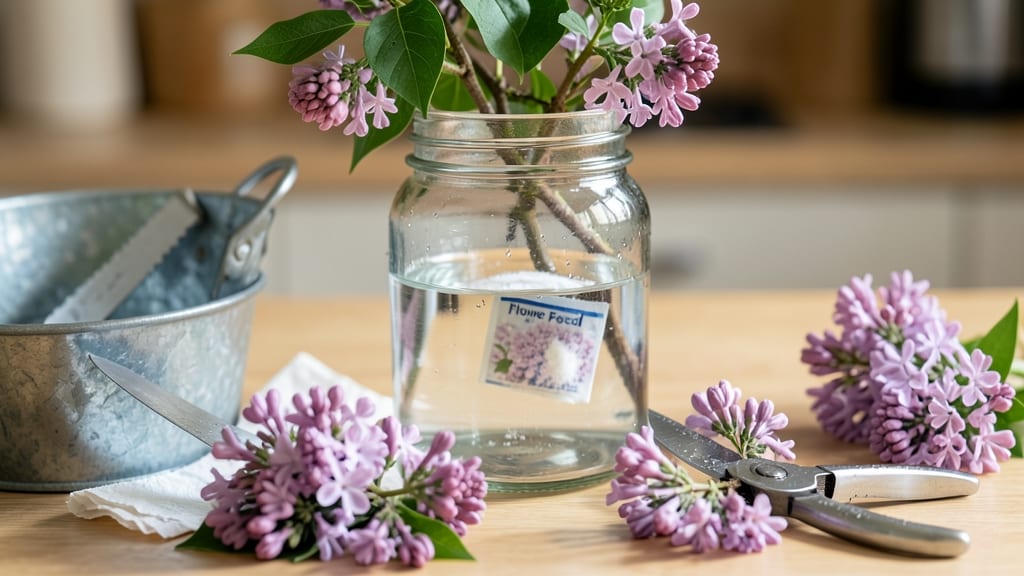
Cut lilacs wilt faster than you’d think—unless you know this one trick. ✨ I’ve saved dozens of bouquets from drooping by using a simple sugar water mix that keeps stems hydrated and bacteria at bay.
The secret isn’t just the water, though—it’s how you prep the stems before they even hit the vase.
The first step is cutting stems at an angle right after harvest—this exposes more surface area for water absorption. Then, strip the lower leaves (they rot in water) and place stems in lukewarm water for 30 minutes to remove air bubbles that block hydration.
This alone can add 2-3 extra days of vase life.
Once you add the sugar water (1 teaspoon sugar per quart of water), your lilacs will last up to 10 days—that’s nearly double the usual lifespan.
The sugar feeds the stems while the water stays fresh, and changing it every 2-3 days keeps things crisp. No more sad, drooping blooms mid-week!
This method works for any spring bouquet, not just lilacs. The key is acting fast after cutting—don’t let those stems sit around, or you’ll lose the battle before it begins. Trust me, your vase will thank you.
📚 In This Guide
- What you need
- Instructions
- Tips and common mistakes
- Wrapping up and next steps
What you need
- ● Freshly cut lilacs: Choose stems with at least 3-4 inches of stem and open buds (not fully bloomed). Aim for 3-5 stems per vase for a balanced look.
- ● Clean, sharp pruning shears or floral scissors: Dull blades crush stems, so invest in a pair with a 4-6 inch blade for precision cuts.
- ● Distilled or boiled-and-cooled water: 1-2 quarts (32-64 oz) per vase. Tap water can contain chlorine or chemicals that harm flowers.
- ● White granulated sugar: 1-2 tablespoons per quart of water. No substitutes like honey or brown sugar—lilacs need simple sugars!
- ○ Floral preservative (optional but recommended): 1 packet (or 1 tsp) of a commercial floral food like Floralife or Flowertone. Boosts nutrient absorption!
- ● Clean vase or container: Wide-mouth preferred (e.g., mason jar, glass vase, or even a repurposed soda bottle). Size should hold 1-2 stems per inch of vase height.
- ● Aluminum foil or plastic wrap: 1 sheet (for prepping stems).
- ● Floral foam or hydrating gel: For long-term arrangements (e.g., Oasis floral foam).
- ● Bleach (unscented): 1-2 drops per quart of water to prevent bacterial growth in the vase.
- ● Aspirin or ibuprofen: ½ crushed tablet per quart of water. Acts as a natural preservative!
- ● Floral tape or rubber bands: To secure stems if using foam.
- ● Scissors for trimming: A small pair (3-4 inch) for post-cut adjustments.
Step-by-Step instructions for reviving cut lilacs
Here's the foolproof method I use to keep lilacs fresh for up to a week—no special supplies needed.
💧 Step 1: Recut Stems Immediately After Harvesting
As soon as you bring lilacs indoors, trim the stems at a 45-degree angle about 1 inch above the previous cut. This fresh cut opens up the stem's vascular system, allowing it to drink up water more efficiently. I like to do this under running water—it helps remove any air bubbles that might block water uptake.
Use sharp scissors or pruners, not dull knives. A clean cut prevents crushing the stem tissues, which would otherwise seal off and starve the flowers of water. If you're working with a bouquet, snip each stem individually rather than cutting them all at once—this keeps the water intake steady for each flower.
🍯 Step 2: Prepare the Sugar Water Solution
Fill a clean vase with lukewarm water (not cold) and add 1 tablespoon of granulated white sugar per quart of water. Stir gently until the sugar dissolves completely. The sugar acts as a food source, feeding the flowers and helping them stay hydrated longer.
I always use lukewarm water because cold water can shock the stems, while hot water might kill the delicate tissues. If you're in a hurry, room-temperature water works fine—just let it sit for a few minutes to reach a comfortable temperature. Avoid tap water that's been sitting in pipes overnight, as it can contain chlorine or other chemicals that harm the flowers.
🌿 Step 3: Clean the Vase and Arrange the Lilacs
Rinse the vase thoroughly with hot, soapy water to remove any residue from previous flowers or dirt. A clean vase prevents bacterial growth, which can clog the stems and cause wilting. Once rinsed, fill it with the sugar water solution you prepared earlier.
Arrange the lilacs in the vase, trimming any leaves that would sit below the waterline. Submerged leaves rot quickly and create bacteria that spread to the stems. Place the bouquet in a spot away from direct sunlight, drafts, or heating vents—these can all accelerate wilting. A cool, shaded area, like a countertop near a window but out of direct light, is ideal.
⏰ Step 4: Change the Water and Refresh the Cuts Daily
Every 24 hours, recut the stems at a 45-degree angle again and replace the water with a fresh batch of sugar water. This daily ritual ensures the flowers stay hydrated and fed. I set a reminder on my phone so I don’t forget—wilting lilacs can happen quickly if you skip this step.
While you're refreshing the water, take a moment to check the vase for any signs of mold or bacteria. If you see a slimy film or cloudy water, it's time to clean the vase more thoroughly with a mix of water and vinegar before refilling it. This keeps the environment clean and extends the life of your lilacs even further.
☀️ Step 5: Monitor Light and Temperature
Keep the lilacs in an area with indirect light. Too much direct sunlight can cause the flowers to wilt faster by increasing their water loss through transpiration. If you notice the petals starting to droop or the edges curling, move the vase to a cooler, shadier spot immediately.
Also, avoid placing the lilacs near fruits like apples or bananas. These fruits release ethylene gas, which speeds up the aging process of flowers. If you must keep them in the same room, remove the lilacs from the area when you're not around to monitor them. A little attention to their environment goes a long way in keeping them fresh and beautiful.
Tips & tricks for reviving cut lilacs
These little adjustments make all the difference between wilting lilacs and a stunning bouquet that lasts.
Cutting Technique Matters: When you recut the stems at a 45-degree angle in Step 1, make sure to do it under running water. This isn't just about aesthetics—it removes any air bubbles that could block water uptake. I've found that using a sharp pair of pruners makes all the difference. A dull knife crushes the stem tissues, sealing off the water pathways and starving the flowers before they even have a chance. Think of it like opening a clogged pipe—you want maximum water flow!
Sugar Solution Science: The 1 tablespoon of sugar per quart of water in Step 2 isn't arbitrary—it provides just the right amount of food for the flowers without making the water too concentrated. If you're worried about the sugar attracting pests, don't be. The lilacs will absorb what they need, and any excess will just dissolve harmlessly. For an extra boost, you can add a few drops of bleach (1/8 teaspoon) to the water to help prevent bacterial growth, though this is completely optional.
Daily Refresh Ritual: That 24-hour water change in Step 4 is critical, but here's what nobody tells you—timing matters. I've learned the hard way that doing this first thing in the morning gives your lilacs the best chance to drink up fresh water before the heat of the day. Also, when you recut the stems each time, rotate the flowers in the vase so all stems get equal access to water. This prevents some flowers from getting "shortchanged" while others get all the hydration.
Environmental Watch: The indirect light recommendation in Step 5 is key, but here's the secret—different lilac varieties have different light needs. Some purple lilacs can handle slightly more light than the pale pink varieties. If you notice the edges of the petals starting to brown, that's your cue to move them to an even shadier spot. And yes, that includes artificial light—keep them away from heat lamps or any light source that generates warmth.
Pro Tips for Keep Cut Lilacs From Wilting
- These little adjustments make all the difference between wilting lilacs and a stunning bouquet that lasts.
- Cutting Technique Matters: When you recut the stems at a 45-degree angle in Step 1, make sure to do it under running water.
- Sugar Solution Science: The 1 tablespoon of sugar per quart of water in Step 2 isn't arbitrary—it provides just the right amount of food for the flowers without making the water too concentrated.
Frequently asked questions
Got questions about keeping your cut lilacs fresh? You’re not alone—here are the most common concerns and quick fixes to keep those fragrant blooms looking their best!
How long will cut lilacs last with the sugar water trick?
With the right sugar water solution (1 tsp sugar + 1 cup warm water), your lilacs can stay vibrant for 7–10 days—sometimes even longer if you refresh the water every 2–3 days. Change the water daily for best results!
Can I use plain water instead of sugar water?
Plain water works, but lilacs thrive better with sugar water because it mimics their natural nectar and slows bacterial growth. For a budget-friendly alternative, try a drop of bleach (1/8 tsp per gallon) or a flower preservative packet to extend freshness.
Why are my lilacs wilting even with sugar water?
Wilting can happen if the stems aren’t cut cleanly (use sharp scissors!) or if the water is too cold. Also, avoid direct sunlight or heat sources—place them in a cool, shaded spot. If leaves turn yellow, trim them to reduce stress on the blooms.
Do I need to recut the stems before placing them in water?
Absolutely!
Trim the stems at a 45-degree angle under water to maximize water absorption. Do this every 2–3 days to keep the lilacs hydrated and prevent clogging from air bubbles.
What if I don’t have sugar? Are there other preservatives?
No sugar? No problem! Try these DIY fixes:
- Apple cider vinegar (1 tsp per gallon) – Acts as a natural preservative.
- Honey (1 tsp per cup) – A gentle sugar substitute.
- Commercial flower food packets – Convenient and effective.
Pro Tip:
For extra-long-lasting lilacs, add a few drops of bleach or hydrogen peroxide to the water (1/8 tsp per gallon) to kill bacteria. Change the water daily, and your lilacs will stay fresh and fragrant!
Wrapping up and next steps
Keeping your cut lilacs fresh and vibrant is easier than you think!
With just a few simple steps—like trimming stems, using the sugar water trick, and storing them properly—you can extend their beauty for days. 🌸 Don’t let wilting ruin the magic: put these tips into action and enjoy your fragrant blooms longer.
Ready to try? Grab a vase, mix your solution, and get creative! Whether you’re gifting them or admiring them at home, your lilacs will stay stunning—no stress required.