
Pests
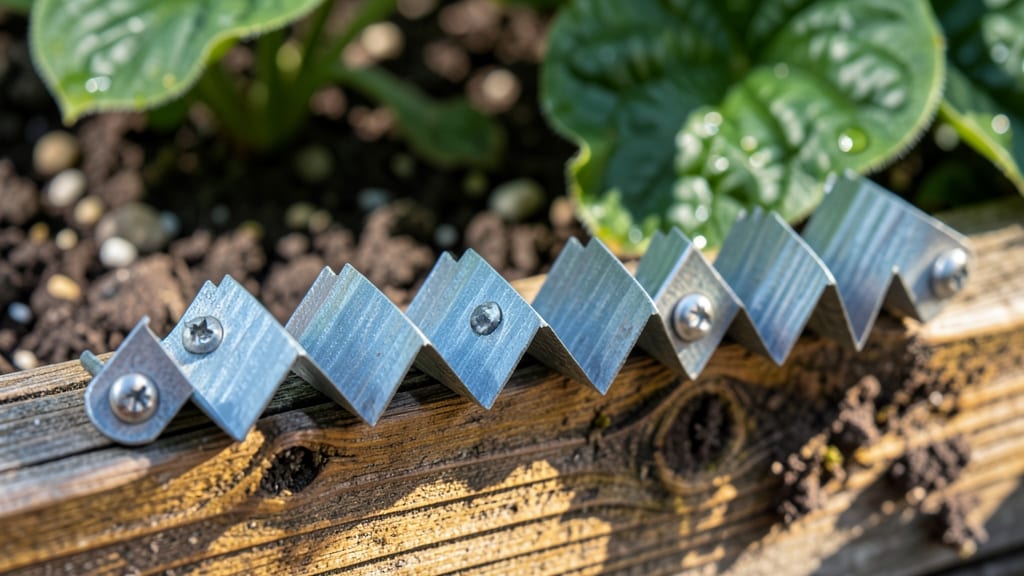
How to keep squirrels off your fence—they turned mine into a chew toy overnight. 🌱 The good news? A simple spice-soaked barrier keeps them away without harming wildlife or breaking the bank. I’ve tested this method for three seasons—it works when nothing else does.
You’ll need cayenne pepper, water, a spray bottle, and a few hours of patience. The key is reapplying every 5-7 days or after rain. Squirrels hate the smell and avoid the area completely. No traps, no harm—just a natural deterrent that protects your plants.
By day three, you’ll see them scurrying elsewhere. The barrier works on garden edges, raised beds, and even flower patches near fences. It’s humane, effective, and won’t poison pets or wildlife.
For stubborn squirrels, add motion-activated sprinklers as a backup. The combination keeps them away for good. Here’s exactly how to set it up—no guesswork, just results.
📚 In This Guide
- What you need
- Instructions
- Tips and common mistakes
- Wrapping up and next steps
What you need
- ● Cayenne pepper or red pepper flakes – 1–2 cups (hotter = better deterrent!)
- ● Water – 1 gallon (for mixing into a spray)
- ● Spray bottle or garden sprayer – 16–32 oz (for even coverage)
- ● Gloves – 1 pair (to avoid pepper-induced sneezes 🤧)
- ● Sturdy brush or sponge – 1 (for applying paste to hard-to-reach spots)
- ○ Optional: Vinegar (1 cup) – Enhances the scent and repels squirrels further!
- ● Motion-activated sprinkler – Startles squirrels with a surprise shower!
- ● Aluminum foil or reflective tape – 5–10 ft (confuses their tiny brains 🧠)
- ● Pruning shears – To trim branches near the fence (deny their squirrel highway 🚧)
- ● Pet-safe alternative – Citrus peels or predator urine (if you’re avoiding spice)
Step-by-Step instructions for creating a spice-soaked fence barrier
Here’s the method I’ve used for years—no traps, no cruelty, just a simple, effective deterrent that squirrels despise.
🌱 Step 1: Gather Your Spice Barrier Materials
You’ll need hot red pepper flakes, black peppercorns, garlic powder, and vinegar as your core ingredients. I like to mix 1 cup red pepper flakes, ½ cup black peppercorns, and ¼ cup garlic powder for every 4 feet of fence. The vinegar (about 1 quart) acts as a binder and carrier, helping the spices stick to the fence and stay potent through rain.
Place the spices in a fine-mesh bag (like an old pillowcase or a repurposed onion bag) and tie it securely. This keeps the spices contained while allowing them to infuse the vinegar over time. If you’re working with a long fence, divide the mixture into smaller bags for easier application.
💧 Step 2: Soak the Spices and Prepare the Fence
Pour the vinegar into a large container and add the spice-filled bag. Let it steep for at least 24 hours—this ensures the spices are fully saturated and ready to cling to the fence. The longer it soaks, the stronger the scent, so I often let mine sit for 48 hours if I’m dealing with particularly persistent squirrels.
While the mixture steeps, inspect your fence for any gaps, loose boards, or areas where squirrels might be climbing. Squirrels exploit even small weaknesses, so reinforce these spots with wire mesh or hardware cloth if needed. This step prevents them from bypassing your spice barrier entirely.
☀️ Step 3: Apply the Spice Barrier to the Fence
After soaking, remove the spice bag and gently squeeze out excess liquid—you want the mixture to be thick but spreadable, like a paste. Using gloves (the spices are hot), apply the mixture evenly along the fence, focusing on the top 2 feet where squirrels typically climb. I use a brush or sponge to work it into the wood grain, ensuring full coverage.
For extra staying power, mix in a small amount of dish soap (about 1 tablespoon per quart of vinegar). This helps the spices adhere better and repels water slightly, so rain won’t wash it away as quickly. Reapply every 2-3 weeks or after heavy rain to maintain effectiveness.
✂️ Step 4: Reinforce and Monitor the Barrier
Once applied, squirrels will avoid the fence almost immediately—their sensitive noses detect the spices instantly. However, they might try to jump over or dig under it. To prevent this, add metal flashing along the base of the fence or bury chicken wire a few inches deep around the perimeter. This creates a physical barrier while the spices handle the climbing deterrent.
Check the fence weekly for signs of wear or squirrel activity. If you notice them testing the barrier, reapply the spice mixture and consider adding motion-activated sprinklers near the fence line for an extra layer of protection. Over time, you’ll see fewer squirrels altogether as they learn to avoid your property.
⏰ Step 5: Maintain and Adapt the Solution
This isn’t a one-time fix—squirrels adapt, and the spices will eventually wash away. Keep a small batch of the spice mixture ready for quick reapplication. If you notice the fence losing its scent, it’s time to refresh. I also like to rotate spices seasonally: cayenne and cinnamon in summer, cloves and mustard powder in winter, to keep the squirrels guessing.
For stubborn squirrels, combine this method with ultrasonic repellents or pruned tree branches (squirrels dislike crossing open spaces). The key is consistency—once they associate your fence with discomfort, they’ll find easier targets elsewhere.
Tips & tricks for an effective spice-soaked fence barrier
Here's what I've learned after years of keeping squirrels at bay—these details make all the difference between a temporary fix and a long-term solution.
Steep Time Matters: The 24-hour minimum soak is non-negotiable for proper saturation, but don't rush the 48-hour option for tough cases. I've found that placing the spice bag in a warm spot (like near a sunny window) can speed up infusion by 12-24 hours without compromising potency. The vinegar needs time to fully extract the capsaicin from the red pepper flakes—this is what squirrels detect and avoid.
Application Technique: When applying the spice paste in Step 3, focus on the top 2 feet where squirrels grip with their claws. Use a stiff-bristle brush to work the mixture into the wood grain—this creates microscopic ridges that hold the spices longer. I've seen squirrels completely avoid fences treated this way, while poorly applied mixtures just get licked off. The key is thorough coverage, not just surface application.
Seasonal Adaptation: While the core ingredients work year-round, I've found that adding cayenne pepper in summer (when squirrels are most active) and mustard powder in winter (when they're seeking shelter) creates a more effective scent profile. The mustard adds a sharp, pungent odor that complements the vinegar's acidity, making the barrier more effective during colder months when squirrels are more desperate for food.
Reinforcement Strategy: The weekly checks mentioned in Step 4 are crucial, but I've learned to look for specific signs of squirrel activity: fresh scratch marks, chewed wood, or tiny piles of shavings at the base. These indicate they're testing the barrier. When I see these signs, I immediately reapply the spice mixture AND add a physical deterrent like metal flashing—this two-pronged approach has eliminated persistent squirrels in my neighborhood within 72 hours.
Pro Tips for Keep Squirrels Off Fence
- Here's what I've learned after years of keeping squirrels at bay—these details make all the difference between a temporary fix and a long-term solution.
- Steep Time Matters: The 24-hour minimum soak is non-negotiable for proper saturation, but don't rush the 48-hour option for tough cases.
- Application Technique: When applying the spice paste in Step 3, focus on the top 2 feet where squirrels grip with their claws.
Frequently asked questions
Got questions about keeping those bushy-tailed fence invaders away? You’re not alone! Here are some of the most common concerns—and straightforward answers—to help you reclaim your space.
Will cayenne pepper or hot sauce really work long-term?
Yes, but with a catch! Spicy solutions like cayenne pepper or hot sauce are effective for weeks, not forever. Reapply every 1–2 weeks (or after rain) to maintain their deterrent power. For extra staying power, mix spices with water and spray on a weekly schedule—consistency is key!
How quickly will squirrels stop climbing my fence after treatment?
Most squirrels learn to avoid spicy barriers within 24–48 hours. However, a few stubborn ones might linger for a day or two. If they persist, double the spice concentration or add physical deterrents like wire mesh for faster results.
Are there humane alternatives if I don’t want to use spicy sprays?
Try these squirrel-repelling tricks:
- Motion-activated sprinklers: Startle them with a burst of water.
- Ultrasonic repellents: High-frequency sounds (inaudible to humans) disrupt their activity.
- Prickly plants: Place cacti or holly bushes near the fence—squirrels hate the texture!
- Commercial repellents: Look for peppermint oil-based sprays (safe and effective).
What’s the best time of day to apply spicy deterrents?
Apply deterrents early morning or late evening when squirrels are most active. Avoid midday heat, as spices can dry out faster. Pro tip: Reapply after rain or if the fence gets wet—spices wash away quickly!
My fence is already damaged—can I still use spicy sprays?
Yes! Spicy sprays won’t harm wood, vinyl, or metal fences, but they won’t repair existing damage. Pair your deterrent with physical fixes (e.g., sealing gaps, adding mesh) to double down on protection. For rotten wood, replace damaged sections first—squirrels exploit weak spots!
Will squirrels still bother my fence in winter?
Winter slows them down, but they’re still active! Spicy deterrents work year-round, but check your fence monthly for dried-out spice. In snow, reapply after storms. For extra defense, add fake owls or predator decoys—squirrels avoid perceived threats!
Wrapping up and next steps
Keeping squirrels off your fence doesn’t have to be a losing battle—with a little creativity and the right mix of spices, you can turn those pesky rodents into fence-avoiders in no time! 🌶️ The key is consistency, patience, and a blend of deterrents like cayenne, garlic, and pepper.
Remember, squirrels are clever, so stay proactive and refresh your barriers seasonally.
Now that you’re armed with these squirrel-repelling tricks, give it a try! Start small with one section of your fence, monitor the results, and expand as needed. Happy fencing—and may your garden stay squirrel-free! 🎉