
Pests
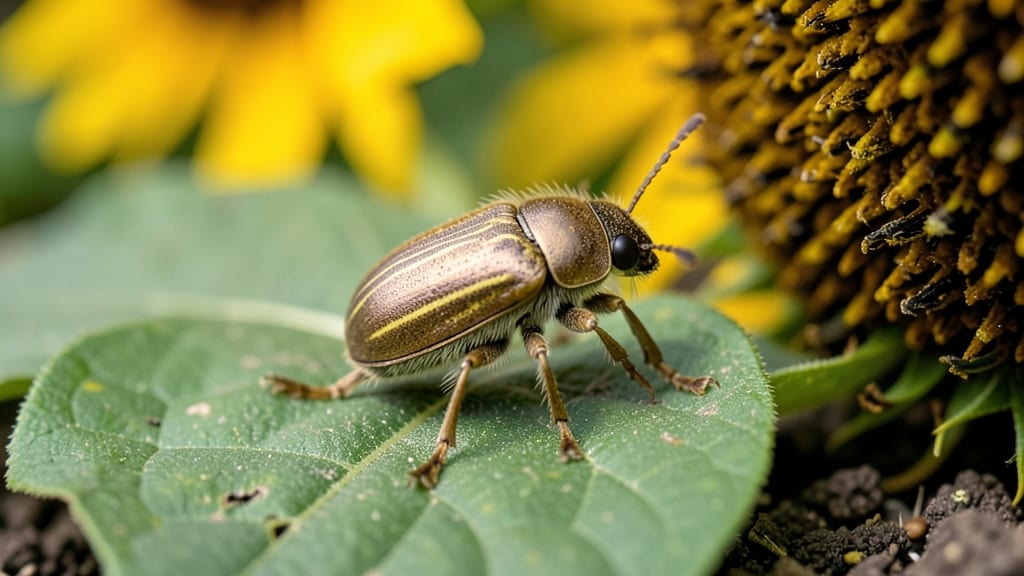
How to keep deer away from sunflowers—those towering giants in your garden—starts with a simple but powerful trick: a spice-infused barrier that works within days. I’ve lost count of the times I’ve planted sunflowers just to wake up to chewed stems—until I discovered this layered approach that confuses deer’s sensitive noses and tastes while protecting your plants from the ground up.
Deer avoid sunflowers when they can’t see, smell, or taste them—and that’s exactly what this method does. You’ll need cayenne pepper, garlic powder, and a few other pantry staples mixed with water, plus some physical barriers like fencing or plant guards for the tallest varieties.
The best part? It’s non-toxic, budget-friendly, and works even on mature plants that deer usually ignore.
By the end of the first week, you’ll notice deer wandering away from your sunflower patch, leaving your plants to grow tall and unharmed. The spice mix lingers on leaves and stems, while the barriers create a physical boundary deer avoid.
This isn’t a temporary fix—it’s a long-term strategy that keeps your sunflowers thriving season after season.
Whether you’re dealing with a small backyard plot or a larger garden, this method scales easily. The secret is consistency: reapply the spice mix every 2-3 weeks and adjust barriers as your sunflowers grow. Deer give up faster than you’d think—once they taste the cayenne, they’ll avoid your garden entirely.
📚 In This Guide
- What you need
- Instructions
- Tips and common mistakes
- Wrapping up and next steps
What you need
- ● Hot peppers: 1 lb of cayenne, habanero, or jalapeño peppers (fresh or dried)
- ● Garlic: 1 head (or 1/2 cup garlic powder as an alternative)
- ● Spices: 1 cup of black peppercorns, red pepper flakes, or cayenne powder
- ● Water: 2 gallons (for mixing the solution)
- ● Spray bottles or a garden sprayer: 2-4 (16 oz each) for easy application
- ● Cheesecloth or old pantyhose: 1-2 pieces (for straining the mixture)
- ● Gloves: 1 pair (to protect your hands while handling peppers)
- ● Gardening shears or scissors: 1 pair (for trimming plants if needed)
- ● Eggs: 4-6 (for making a homemade deer-repellent spray)
- ● Soap: 1 bar of castile soap (to help the spray stick to plants)
- ● Fencing or mesh: 1 roll of deer-proof netting (8 ft tall, if physical barriers are needed)
- ● Plant-based repellents: 1 bottle of commercial deer repellent (like Liquid Fence)
- ● Motion-activated sprinklers: 1-2 units (for extra deterrence at night)
Step-by-step instructions for creating a deer-repellent sunflower barrier
Here's the simple, all-natural method I use to protect sunflowers without harming wildlife.
Choose the Right Plant Placement Strategy
Sunflowers need full sun, but deer love their tender young shoots. Start by planting sunflowers in a small, raised bed or contained pot area—deer are less likely to browse when plants aren’t easily accessible. If planting directly in the ground, create a 3-foot-wide perimeter around your sunflower patch where you’ll place your repellent barrier.
I always plant sunflowers in clusters of 4-5 plants per location—this makes the barrier more effective since deer tend to focus on isolated plants. Space them 12-18 inches apart so they can support each other’s growth while still allowing airflow to deter pests.
Create a Spice-Infused Barrier
Deer have an extremely sensitive sense of smell, and strong scents like garlic, pepper, and cayenne make them avoid areas. Mix 1 part cayenne pepper with 2 parts garlic powder and 1 part black pepper in a small container. For a 4-foot perimeter, you’ll need about 1 cup of the blend—this covers a small garden easily.
Sprinkle the spice blend along the outer edge of your sunflower patch, creating a 3-inch-wide ring around the plants. Be generous—deer can detect faint scents, so you want a strong, consistent barrier. Reapply every 7-10 days or after heavy rain, as the scent will wash away.
Add Physical Deterrents for Extra Protection
While spices work well, deer are persistent. Place chicken wire or hardware cloth around the perimeter of your sunflower patch, burying it 6 inches deep to prevent digging. This creates a physical barrier that deters deer while still allowing sunlight, water, and air to reach your plants.
For a more natural look, use tall plants like rosemary or lavender as a living barrier around the sunflowers. Deer dislike these scents too, and they add beauty to your garden. Just make sure they’re planted at least 2 feet away from the sunflowers to avoid competition for nutrients.
Monitor and Refresh as Needed
Check your sunflower patch every 3-4 days for signs of deer activity, such as chewed leaves or broken stems. If you notice any damage, reapply the spice blend immediately and reinforce the physical barrier if needed. Deer are creatures of habit, so consistency is key.
If deer continue to bother your sunflowers, try adding motion-activated sprinklers near the perimeter. The sudden burst of water startles them and reinforces the message that this area is off-limits. With this combination of scents, physical barriers, and occasional surprises, your sunflowers should thrive without becoming a deer buffet.
Tips & tricks for creating an effective deer-repellent sunflower barrier
This method works best when you combine smart planting strategies with consistent maintenance—here's how to make it foolproof.
Plant Placement Strategy: Deer are less likely to jump into raised beds or containers, so if you don't have a garden bed, use large pots or window boxes for your sunflowers. For in-ground planting, create that 3-foot perimeter barrier right from the start—don't wait until deer become a problem. I've found that planting sunflowers in clusters of 4-5 creates a "pack mentality" that deer avoid, almost like they sense the collective energy of the plants working together.
Spice Blend Consistency: The 1:2:1 ratio of cayenne to garlic powder to black pepper is crucial—this balance creates a strong scent without overwhelming your garden. For a 4-foot perimeter, that 1 cup of blend covers surprisingly well, but don't skimp. I like to double the cayenne in damp areas where deer might linger, as moisture can dilute the scent. Store your blend in an airtight container away from sunlight to preserve potency between uses.
Physical Barrier Installation: When burying chicken wire or hardware cloth 6 inches deep, use a garden spade to create clean trenches first. This prevents the wire from shifting and creating gaps that deer could exploit. For a more decorative approach, interplant rosemary or lavender along the perimeter—their natural deer-repelling properties enhance your spice barrier while adding beauty to your garden.
Monitoring and Maintenance: Those 3-4 day checks are non-negotiable if you want this to work long-term. I keep a small notebook near my garden where I mark each inspection date and note any deer activity. This helps me track patterns—like whether deer are more active at dawn or dusk. If you notice consistent damage despite your barriers, it might be time to add those motion-activated sprinklers as a final deterrent.
Pro Tips for Keep Deer Away From Sunflowers
- This method works best when you combine smart planting strategies with consistent maintenance—here's how to make it foolproof.
- Plant Placement Strategy: Deer are less likely to jump into raised beds or containers, so if you don't have a garden bed, use large pots or window boxes for your sunflowers.
- Spice Blend Consistency: The 1:2:1 ratio of cayenne to garlic powder to black pepper is crucial—this balance creates a strong scent without overwhelming your garden.
Frequently asked questions
Got questions about keeping deer away from your sunflowers? You’re not alone! Here are some of the most common concerns—and practical answers to help you protect your garden without stress.
Will deer eventually ignore spicy barriers like cayenne pepper or hot sauce?
Deer have a strong sense of smell and taste, so spicy barriers can deter them—but they may return if the scent fades too quickly. Reapply every 3–5 days or after heavy rain to maintain effectiveness. For long-term results, combine spicy solutions with physical barriers like fencing or repellent sprays.
How soon after applying spicy repellents will I see results?
Most gardeners notice a difference within 24–48 hours, as deer avoid the area due to the strong scent and taste. However, consistency is key! If deer linger, try a hotter blend (like cayenne + garlic) or add a physical deterrent like motion-activated sprinklers for extra protection.
Are there non-spicy alternatives if I have pets or kids around?
Try these pet-friendly options:
- Soap or vinegar sprays: Mix castile soap or white vinegar with water and spray around plants.
- Plant-based repellents: Deer dislike lavender, marigolds, or rosemary—plant these near sunflowers.
- Ultrasonic devices: These emit high-frequency sounds deer can’t stand (safe for humans and pets).
What if deer keep coming back even after using repellents?
If deer persist, they may be desperate for food or your barrier isn’t strong enough. Try these troubleshooting steps:
- Increase the concentration of your spicy mix (e.g., add red pepper flakes to hot sauce).
- Apply repellents directly to sunflower leaves (deer avoid bitter tastes).
- Use a combination approach: Spicy barriers + fencing + motion-activated lights.
- Check for alternative food sources—remove other plants deer might prefer nearby.
Do I need to reapply spicy repellents after rain?
Yes! Rain washes away the scent, making your sunflowers vulnerable again. Keep a spray bottle handy and reapply within 24 hours of rain. For extra staying power, mix your repellent with vegetable oil (1 tbsp per cup of solution) to help it cling longer.
Wrapping up and next steps
Keeping deer away from your sunflowers doesn’t have to be a challenge—with the right spice-infused barriers, you can protect your garden in just a few days! 🌱 Whether you opt for cayenne pepper, garlic, or commercial repellents, consistency is key.
Test a few methods to find what works best for your space, and don’t forget to reapply after rain.
Now that you’re armed with these tips, take action today! Start small with a single patch of sunflowers, monitor the results, and expand as needed. Your blooming, deer-free garden is just a few steps away—go get it! 🌻✨