
Pests
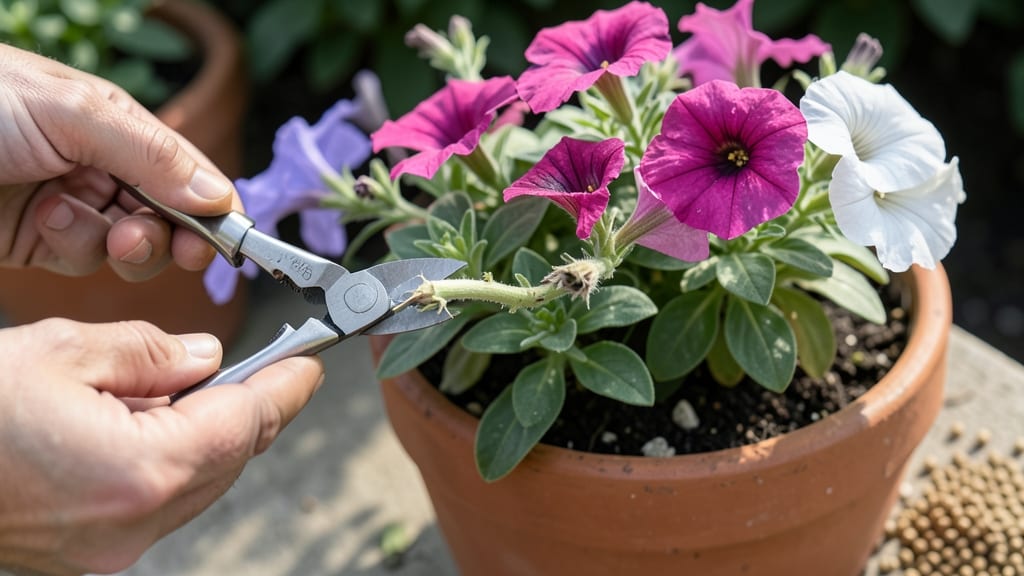
How to keep petunias bushy starts with a simple trick: pinching their stems early to turn leggy plants into bushy, bloom-covered powerhouses. 🌸 I’ve turned my once-skinny petunias into thick, vibrant mounds by mastering just two techniques—pinching and strategic pruning—both of which encourage more flowers and fuller growth.
The secret isn’t complicated: when petunias get 6-8 inches tall, pinch off the top set of leaves with your fingers (no tools needed). This forces the plant to branch out, creating more stems and flowers.
Repeat every 4-6 weeks for continuous blooms, and deadhead spent flowers to keep energy focused on new growth.
By summer’s end, you’ll have petunias so dense they’ll spill over containers like a waterfall of color. The key is consistency—water deeply but not too often, give them 6+ hours of sunlight, and feed them every 2-3 weeks with a balanced fertilizer.
Skip the heavy hand with pruning, though; over-trimming stresses the plant.
Works for trailing, bush, and grandiflora types alike. Even my blackest thumb can’t kill these once I started pinching early. Let’s get those stems branching out!
📚 In This Guide
- What you need
- Instructions
- Tips and common mistakes
- Wrapping up and next steps
What you need
- ● Petunias: Healthy, established plants (1-5 per container or garden bed, depending on desired fullness).
- ● Pruning shears or clean scissors: Sharp, sterilized tools (avoid dull blades to prevent tearing stems).
- ○ Gloves (optional but recommended): Lightweight gardening gloves to protect hands from thorns or rough stems.
- ● Watering can or hose with a gentle spray nozzle: For post-pruning hydration (1-2 gallons per plant if heavily trimmed).
- ● Balanced fertilizer (10-10-10 or 20-20-20): 1-2 tablespoons per plant after pruning to encourage regrowth.
- ○ Compost or mulch: 1-2 inches to retain moisture and nourish roots (optional but helpful).
- ● Plant food spikes: Slow-release nutrients for continuous blooming.
- ● Garden twine or stakes: For support if petunias grow leggy (especially for trailing varieties).
- ● Disinfectant (rubbing alcohol or bleach solution): To sterilize tools between cuts (1 part bleach to 9 parts water).
- ○ Pruning hormone (optional): Speeds up healing for larger cuts (follow label instructions).
Step-by-step instructions for pinching and pruning petunias
Here's the method I rely on to turn leggy petunias into full, bushy plants that bloom nonstop.
🌿 Step 1: Identify and Pinch New Growth Early
Start pinching when your petunias are about 4-6 inches tall and have developed their first set of true leaves. Look for the topmost set of leaves—they mark where the plant will branch. Using your thumb and forefinger, gently pinch off the top ½ inch of growth just above a set of leaves.
This might seem aggressive, but it forces the plant to redirect energy into side shoots rather than growing taller. You'll see new growth emerging from the leaf axils within 7-10 days. I always pinch on a dry morning so the wound can heal quickly and reduce the risk of disease.
✂️ Step 2: Prune Regularly to Encourage Fullness
Once your petunias have filled out, switch to regular pruning every 2-3 weeks during the growing season. Cut back stems just above a set of leaves to encourage branching. Avoid cutting into old wood—the stems should still feel green and flexible. Use clean, sharp pruners to make clean cuts that heal faster.
Real talk: Don't be afraid to prune hard. Petunias are forgiving and will bounce back with even more vigor. After pruning, you'll notice new shoots forming within 1-2 weeks. This is your plant's way of saying, "Thanks for the haircut—I'll grow twice as bushy now!"
☀️ Step 3: Maintain Light and Fertilizer for Bushy Growth
Petunias need 6-8 hours of direct sunlight daily to stay compact and bushy. If they start stretching toward the light, rotate the pot or move it to a sunnier spot. In containers, I use a balanced, water-soluble fertilizer every 2 weeks to support continuous blooming and full growth.
Here's the thing—petunias bloom best when they're slightly root-bound. If you notice roots circling the bottom of the pot, it's time to repot into a container just 1-2 inches larger. This encourages the plant to focus on filling out rather than growing taller in search of more space.
🌱 Step 4: Deadhead and Prune Spent Blooms
Deadheading isn't just about looks—it's essential for keeping petunias bushy and productive. As soon as a flower fades, pinch or snip the stem back to the nearest set of leaves. This prevents the plant from wasting energy on seed production and redirects it toward new blooms.
I like to deadhead in the early morning when the blooms are still damp with dew. This reduces stress on the plant and gives it time to recover before the heat of the day. Within 5-7 days, you'll see fresh buds forming in place of the spent blooms—a sure sign your pruning is working.
⏰ Step 5: Adjust Pruning for Seasonal Changes
In early spring, focus on light pinching to encourage bushy growth before the main blooming season. As summer progresses, increase pruning frequency to every 2 weeks to maintain shape and encourage continuous flowering. In fall, reduce pruning as the plant prepares for dormancy.
Don't skip this step—petunias grow faster in warm weather, and unchecked growth leads to leggy, sparse plants. Watch for new growth after each pruning session; that's your cue to keep the momentum going. By late summer, your petunias should be dense, full, and covered in blooms from top to bottom.
Tips & tricks for perfect petunia pruning
Transforming leggy petunias into vibrant bushes takes precision—and these insider tips will help you nail it every time.
Timing Secret: The 4-6 week window for your first pinch is critical, but don't stress about exact dates. Instead, focus on these visual cues: look for stems that have developed 4-5 sets of true leaves and are 4-6 inches tall with a sturdy base. These plants are ready to branch out—literally! I've found that pinching at this stage gives the best response, as the plant's growth hormones are most active. If you wait too long, you'll end up with woody stems that don't respond well.
Pruning Precision: When you're cutting back those leggy stems in Step 2, remember the 45-degree angle rule—this prevents water from pooling on the cut, which could lead to rot. I like to make my cuts just above a leaf node where new shoots will emerge. For the first few times, count the nodes from the base: aim to leave 3-4 nodes below your cut. This ensures you're not removing too much growth at once, which can stress the plant.
Recovery Strategy: That 24-hour watering window after pruning is your plant's chance to recover. I've learned the hard way that skipping this step can lead to wilting or even death of new shoots. Use a watering can with a narrow spout to direct water right at the base—this keeps the foliage dry and prevents fungal issues. After watering, I always give the soil a gentle squeeze: if it feels dry an inch below the surface, it's time to water again. The goal is consistent moisture without soggy soil.
Light Management: Petunias need their 6-8 hours of full sun daily to thrive, but there's a sweet spot for supplemental light. If you're using grow lights for 14-16 hours daily, position them about 6-12 inches above the plants and use full-spectrum bulbs. I've noticed that plants under grow lights develop a deeper green color and bloom more prolifically. Just be careful not to let the lights get too close—they can generate heat that stresses the plants. A simple fan placed nearby helps circulate air and prevents overheating.
Pro Tips for Keep Petunias Bushy
- Transforming leggy petunias into vibrant bushes takes precision—and these insider tips will help you nail it every time.
- Timing Secret: The 4-6 week window for your first pinch is critical, but don't stress about exact dates.
- Pruning Precision: When you're cutting back those leggy stems in Step 2, remember the 45-degree angle rule—this prevents water from pooling on the cut, which could lead to rot.
Frequently asked questions
Got questions about keeping your petunias lush and bushy? Here are answers to the most common ones—so you can enjoy those vibrant blooms all season long!
How often should I pinch back petunias for bushiness?
Pinch back petunias every 2–3 weeks during the growing season (spring to early fall). Start when plants are 6–8 inches tall, removing the top set of leaves just above a leaf node. This encourages branching and denser growth. Pro tip: Avoid pinching after late summer to prevent late-season blooms from being cut off!
Can I prune petunias too much?
Yes! Over-pruning can stress plants, leading to leggy growth or fewer blooms. Stick to light trims—never remove more than 1/3 of the plant at once. If you’ve already pruned heavily, focus on watering and fertilizing to help them recover. Think of it like a haircut: small, regular adjustments work best!
Do petunias need full sun to stay bushy?
Petunias thrive in full sun (6+ hours daily), but too much intense heat can cause them to bolt (produce seed stalks) or grow leggy. If your climate is scorching, provide afternoon shade or use shade cloth (30–50%). Well-bushy petunias also benefit from consistent moisture—let the soil dry slightly between waterings.
What should I do if my petunias get pests after pruning?
Pests like aphids or spider mites often target stressed plants. After pruning, inspect leaves and treat gently with:
- Neem oil (spray on undersides of leaves)
- Insecticidal soap (for soft-bodied pests)
- Water spray (to dislodge aphids)
Are there petunia varieties that stay bushy without much pruning?
Yes! Some compact or mounding varieties require less pinching, like:
- ‘Wave’ petunias (spreading, heat-tolerant)
- ‘Tumbling’ or ‘trailing’ types (great for hanging baskets)
- ‘Grandiflora’ or ‘Multiflora’ hybrids (naturally bushier)
Wrapping up and next steps
With a little patience and regular care, your petunias can thrive into lush, bushy plants bursting with vibrant blooms! 🌸 Remember, pinching, pruning, and proper spacing are your secret weapons—combined with good sunlight and balanced watering, they’ll reward you with nonstop color all season.
Ready to see the transformation? Start with just one bush this week, and soon your garden will be the envy of the neighborhood!
👉 Next step: Grab your shears and give those petunias a little love—your future blooms will thank you!