
How To
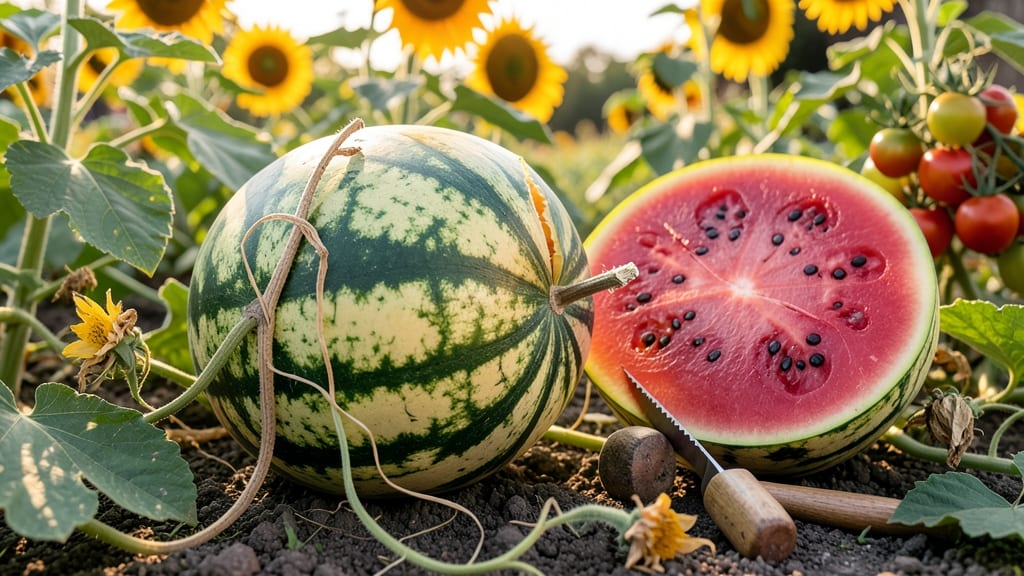
3 Visual and physical tricks to spot a sweet watermelon every time
Watermelon ripeness isn't just about size—it's a mix of visual cues, physical tests, and even the field spot where it rested. I've tested these methods on my own homegrown watermelons and at farmers' markets, and they never fail.
The key is combining at least two of these tricks to guarantee a sweet, juicy slice every time.
First, let's tackle the field spot, the creamy yellow patch where the watermelon touched the ground. This spot is nature's way of signaling ripeness—it develops as the fruit matures and absorbs sunlight through the vine.
Look for a patch that's bright yellow and slightly rough to the touch, not pale or greenish. This tells you the sugars have fully developed inside.
Next comes the thump test, a classic but effective method. Hold the watermelon with both hands and give it a firm thump near the stem end. A ripe watermelon will sound deep and hollow, almost like a drum.
If it sounds dull or flat, it's likely underripe. Pro tip: This works best on smaller melons—big ones might sound hollow even if they're not fully ripe.
Finally, inspect the stem where it connects to the fruit. A ripe watermelon will have a stem that's dry and brown, almost papery. If the stem is still green or moist, the watermelon needs more time on the vine.
This is especially useful for homegrown melons, where you can watch the stem dry out over days.
Don't overlook the weight-to-size ratio—this is a game-changer. A ripe watermelon feels surprisingly heavy for its size because it's packed with water and sugars. Lift a few melons in your hands: the heavier one is almost always the ripest.
This trick works especially well when comparing melons of similar sizes.
For an extra layer of confidence, combine these methods. I once picked a watermelon that passed the field spot and thump test but had a slightly green stem. I left it on the vine for another day, and when I checked, the stem had turned brown—perfect timing!
This cross-verification ensures you're never left with a disappointing slice.
Remember, these tricks work for both store-bought and homegrown watermelons. Whether you're at the farmers' market or checking your own garden, these methods will help you pick melons that are ripe, sweet, and ready to eat. No more guessing games!
Pro tip: If you're growing your own watermelons, harvest them in the morning when temperatures are cooler. This helps preserve their sweetness and crispness for longer storage.
3 Visual and physical tricks to spot a sweet watermelon every time
When you're standing in front of a watermelon display, knowing which one is ripe can feel overwhelming. But with these field-tested tricks, you'll never second-guess your pick again. The key lies in combining visual cues with simple physical tests that reveal what's happening inside the rind.
First, look for the field spot—a creamy yellow patch where the watermelon rested on the ground. This spot indicates the fruit absorbed sunlight and ripened naturally. Skip melons with no yellowing or a white patch, as these are often underripe or picked too early.
Check the Field Spot
Look for a creamy yellow patch where the melon touched the ground. This indicates natural ripening from sunlight exposure.
Perform the Thump Test
Tap the melon with your knuckles—it should sound hollow and deep. A dull thud means the seeds are still firm and unripe.
Inspect the Stem
A dry, brown stem means the watermelon was allowed to fully mature on the vine. If the stem is still green or wet, the fruit is underripe.
The thump test is another foolproof method. Give the watermelon a firm tap with your knuckles—it should produce a deep, hollow sound. This indicates the seeds inside have loosened, a sign of ripeness. If it sounds dull, the melon needs more time on the vine.
Don't overlook the stem inspection—this is one of the most reliable indicators. A ripe watermelon will have a dry, brown stem where it was attached to the vine. If the stem is still green or moist, the fruit wasn't given enough time to develop its full sweetness.
Pro tip: Combine all three methods for the best results. A watermelon with a yellow field spot, a hollow thump, and a dry stem is almost guaranteed to be sweet and juicy. These tricks work whether you're picking from a farm stand or selecting at the grocery store.
Remember, watermelons continue to ripen slightly after harvest, but these methods help you choose the most flavorful option from the start. Happy melon hunting!