
How To
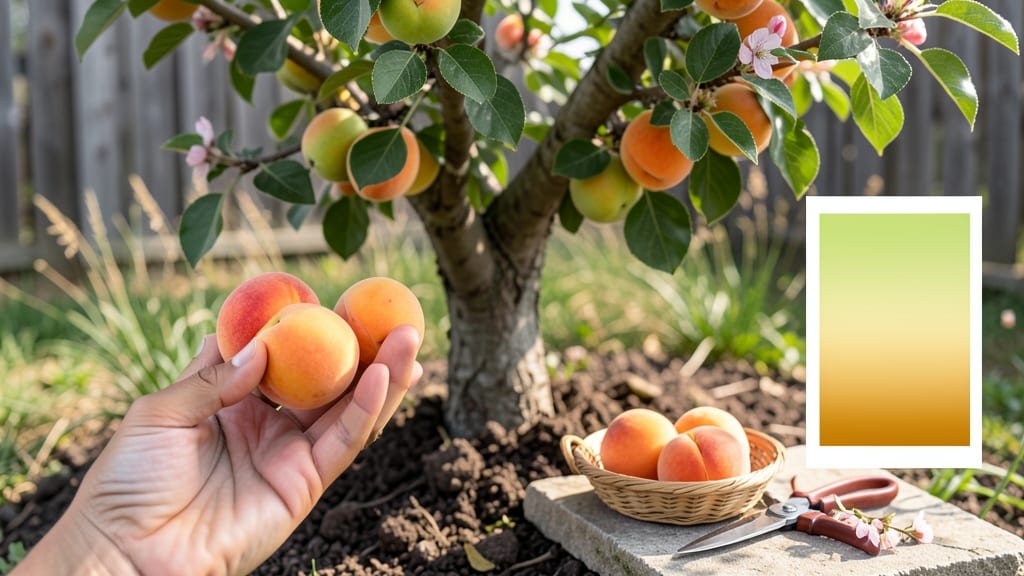
There’s nothing quite like biting into a perfectly ripe apricot—how to know when apricots are ripe is the secret to unlocking that sweet, juicy burst of flavor.
But figuring out the exact moment can be tricky, especially if you’ve ever picked one too soon (or too late) and ended up with mealy, bland fruit.
The good news? You don’t need a degree in horticulture to master this skill. With just a few simple tests—color, touch, and even scent—you’ll never second-guess your harvest again.
Whether you’re a backyard gardener or a fruit lover waiting for that first juicy bite, these tricks will help you time it perfectly.
Let’s start with the easiest clues: color and texture. A ripe apricot changes from green to a vibrant orange-yellow, and its skin should give just slightly when you press it.
But there’s more to it than meets the eye—like the stem’s flexibility and that irresistible sweet aroma that signals peak ripeness.
By the end of this guide, you’ll know exactly when to pluck those apricots for the sweetest, most flavorful experience. No more guessing—just delicious, tree-ripened perfection every time.
Apricot ripeness by color: what shades mean for sweetness
Apricots go through three distinct color phases as they ripen, each signaling different stages of sweetness and texture. The green stage means your fruit is still developing, while the orange-yellow phase is prime for picking. Understanding these shifts helps you avoid bitter, underripe apricots or mealy, overripe ones.
Start by examining the base color of the apricot. Early in the season, apricots often appear greenish-yellow with hints of blush. This phase can last 2-3 weeks depending on your climate. These fruits are hard and tart, best left on the tree to develop their signature sweetness.
As temperatures rise in late spring, apricots begin turning peach-orange along their sun-exposed sides. This is the "breaker" stage, where sugar content starts increasing rapidly. Many gardeners mistake this phase for ripeness, but these apricots still need 5-7 more days to reach peak flavor.
🌱 Pro Tip: In cooler climates (USDA zones 5-7), apricots may ripen more slowly, taking up to 3 weeks longer to reach full color. Warmer zones (8-10) often see ripening accelerate by 10-14 days.
🍑 Apricot Ripeness by Color Guide
| Color Stage | Sweetness Level | Texture | Best For |
|---|---|---|---|
| Green-Yellow | Low (tart) | Hard, firm | Leave on tree |
| Peach-Orange (Breaker) | Moderate | Slightly softening | Wait 5-7 days |
| Deep Orange-Gold | High (peak) | Slightly soft, smooth | Harvest now! |
| Brownish-Orange | Low (overripe) | Mushy, wrinkled | Use immediately |
The final ripeness color is a rich, deep orange-gold that often has a slight blush or red tint on sun-exposed sides. This hue indicates peak sugar content and optimal texture.
In my Zone 7 garden, I've found that apricots ripen fastest on south-facing branches where they receive the most sunlight.
Regional variations matter! Apricots in California's Central Valley may develop a brighter orange hue due to intense sunlight, while those in Pacific Northwest orchards often ripen to a duller gold-orange. Always combine color checks with the touch test described in the next section for accuracy.
🌿 Watch Out: Some apricot varieties like 'Blush' apricots naturally develop a pinkish blush at full ripeness. Don't confuse this with sunburn—healthy blush is even and vibrant, while sunburn appears patchy and leathery.
Color alone isn't enough—you'll also want to check for smooth skin and a slight give when pressed. The combination of these visual and tactile cues ensures you're picking apricots at their perfectly ripe moment. Next, we'll explore how to use your hands to confirm ripeness without damaging the fruit.
The touch test: 3 ways to check ripeness without cutting the fruit
Your fingers can tell you more about an apricot’s ripeness than its color alone. The touch test is my go-to method for confirming sweetness without damaging the fruit. Start by gently pressing the fruit with your thumb—ripe apricots yield slightly under pressure but don’t feel mushy.
This gentle give indicates peak flavor, while a rock-hard feel means it needs more time on the tree.
Next, check the stem flexibility. A ripe apricot’s stem should twist off easily with a slight tug—no need to force it. If the stem resists or snaps off cleanly, the fruit isn’t ready yet.
This test works best in the morning when fruits are cooler and firmer. Overripe apricots often detach too easily, so timing is everything.
Finally, run your fingertips over the fruit’s skin texture. Ripe apricots have a smooth, velvety surface, while unripe ones feel slightly rough or leathery. A wrinkled or overly soft skin signals overripeness.
Pro tip: Compare multiple fruits on the same tree—some may ripen faster than others due to sunlight exposure.
- Gentle pressure: Yields slightly
- Stem twist: Comes off easily
- Skin texture: Smooth and velvety
- Hard feel: Resists pressure
- Stem twist: Breaks cleanly
- Skin texture: Rough or leathery
- Soft feel: Mushy or squishy
- Stem twist: Falls off too easily
- Skin texture: Wrinkled or dull
Common mistakes include overestimating ripeness by relying solely on color or picking fruits that feel too soft. Always combine the touch test with color checks for accuracy.
For example, a fully orange apricot that feels rock-hard isn’t ready, while a slightly green one with a gentle give might surprise you with its sweetness.
If you’re harvesting for fresh eating, aim for fruits that pass all three touch tests. For drying or canning, slightly underripe apricots (firm but yielding) concentrate more sugar during the process. Just avoid fruits with bruises or cracks—they won’t store well, even if they pass the touch test.
Remember, apricots ripen fastest in hot, sunny weather, so check your tree daily during peak harvest season. A quick touch test in the morning ensures you’re picking at the perfect moment—no more guesswork, just delicious, tree-ripened apricots. 🍑