
How To
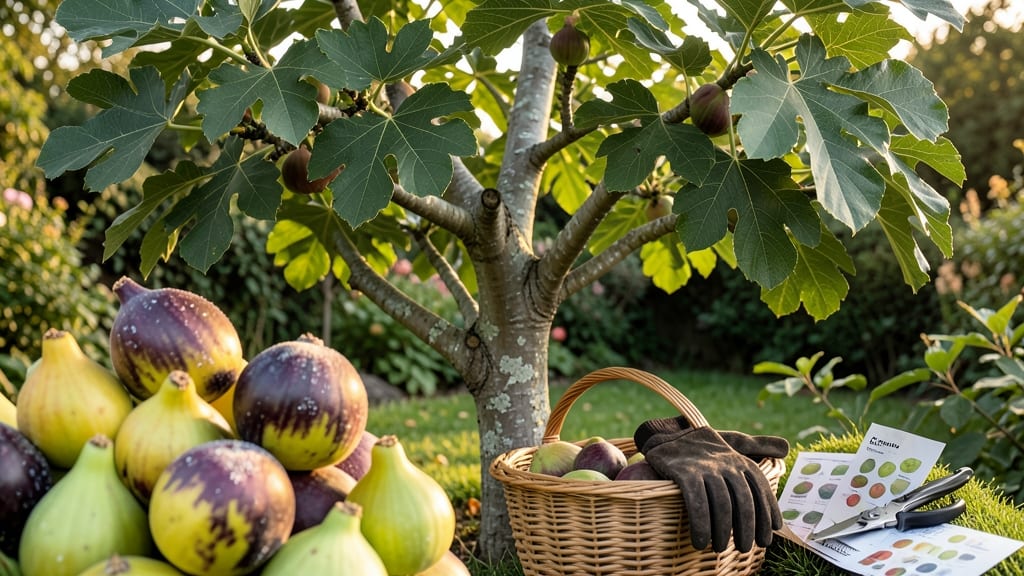
How to know when figs are ready to pick can turn a mealy, bland harvest into a sweet, juicy feast—but most gardeners get it wrong. That perfect moment isn’t about guessing or waiting too long; it’s about spotting 5 simple signs that tell you the fruit is at its peak, no knife test required.
I’ve watched my own 🍈 trees go from hard green globes to soft, flavor-packed treats, and the difference between a perfect pick and a regretful one comes down to a few key details.
Whether you’re growing common figs, mission figs, or hardy varieties in USDA Zone 6a, these cues will help you avoid the common mistakes that leave figs underripe or overripe.
From color changes to the way they feel when you touch them, I’ll walk you through what to look for—and when to act. By the end, you’ll know exactly when to twist that fig off the branch for the sweetest, most satisfying harvest of the season.
No more second-guessing, no more wasted fruit. Just confident picking every time, so you can enjoy the rewards of your labor without the frustration.
5 Visual and tactile signs figs are perfectly ripe (no knife required)
Figs ripen quickly, so knowing the exact moment to pick ensures sweet, flavorful fruit instead of mealy or overripe disappointment. The knife test (cutting open a fig to check ripeness) is outdated—modern gardeners rely on visual and tactile cues that guarantee perfect timing.
Whether you're harvesting black mission figs, green common figs, or hardy fig varieties, these five signs will transform your fig-picking game.
First, observe the skin color of your figs. Unripe figs often start green or pale, but as they ripen, they develop variety-specific hues. For example, black mission figs turn deep purple-black, while brown turkey figs develop a warm brown or russet color.
Pay attention to even color distribution—uneven shades may indicate uneven ripening or stress.
Next, check the texture by gently pressing the fig with your thumb. A ripe fig should feel soft and slightly yielding, almost like pressing a ripe avocado. If it resists pressure and feels firm, it’s not ready yet.
Overripe figs, on the other hand, become mushy or leathery, so timing is everything. This tactile test is your best friend for avoiding underripe or overripe harvests.
Here’s where many gardeners go wrong: they ignore the stem condition. As figs ripen, the stem connecting the fruit to the branch dries out and shrinks slightly. When you see this, it’s a clear signal that the fig is nearing peak ripeness.
If the stem is still green and plump, wait a few days before checking again.
Another pro tip: pick figs in the morning when temperatures are cooler. Figs harvested in the heat of the day can spoil faster due to higher moisture loss.
If you’re unsure whether a fig is ready, taste a small piece—ripe figs should be sweet with a hint of jammy texture, while unripe ones taste bland or tart.
Beginners often make two critical mistakes when harvesting figs. First, they wait too long, assuming figs will ripen off the tree. While some varieties like common figs can ripen after picking, others (like mission figs) lose flavor and texture if left hanging past their prime.
Second, they harvest too aggressively, damaging the tree or missing subtle ripeness cues. Always use a clean, sharp pair of pruners or your hands to avoid tearing the fruit.
For hardy fig varieties grown in cooler climates, timing is even more critical. These figs often ripen later in the season, so monitor them closely as fall temperatures drop.
If frost is forecasted, harvest figs 2-3 days before the first frost—they won’t ripen further once picked, but they’ll still be delicious if harvested at peak ripeness.
One final trick: compare figs on the same branch. Figs ripen in clusters, so if one fig meets all the ripeness signs, its neighbors are likely close behind. This cluster ripening pattern makes it easier to predict when a batch is ready.
Pro gardeners even use a small notebook to track ripening progress across different branches, ensuring they don’t miss a single harvest window.
Mastering these five signs will turn your fig harvest from hit-or-miss to consistently sweet, juicy perfection. No more guesswork—just delicious, homegrown figs straight from your tree to your table. 🍈
5 Visual and tactile signs figs are perfectly ripe (no knife required)
Figs ripen quickly, and picking them at the wrong time means sacrificing sweetness for mealiness. The knife test isn’t always reliable—some figs stay firm even when ripe.
Instead, focus on these 5 foolproof visual and tactile cues that guarantee peak flavor, whether you're growing common figs, mission figs, or hardy varieties.
First, check the skin color. Most figs transition from green to their mature hue—deep purple for black mission figs, brown for brown turkey figs, or yellow-green for common figs.
A fully developed color signals ripeness, but don’t rely on this alone since some varieties stay green until ripe.
Texture is your best friend. Gently press the fig with your thumb—ripe figs yield slightly, like a ripe avocado, while unripe ones feel firm. Overripe figs, however, become mushy and may leak syrup. The stem trick also works: if the stem near the fig dries out and shrinks, it’s ready to pick.