
Neem Oil
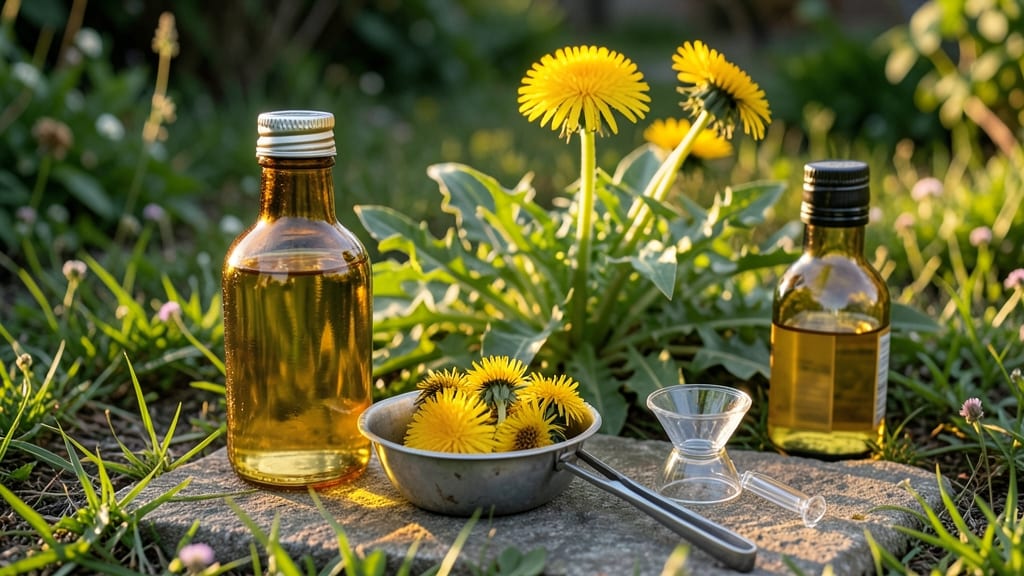
Dandelions aren’t just weeds—they’re herbal gold waiting to be harvested. 🌼 I’ve turned my lawn’s "pests" into a versatile infused oil that works as a salad dressing, skincare treatment, and even a natural pest repellent for my garden.
The process is simpler than you’d think, and it starts with the bright yellow blooms growing wild (or in your garden beds). You’ll need fresh dandelion flowers, a carrier oil like olive or sunflower, a clean jar, and patience—about 2-4 weeks for the oil to infuse properly.
The key is harvesting flowers on a dry morning, stripping off petals, and packing them tightly into your jar before covering them with oil. No fancy equipment needed, just sunlight and time.
By the end, you’ll have a golden liquid packed with vitamins, antioxidants, and a floral aroma that’s perfect for drizzling over greens or blending into homemade skincare. The oil also doubles as a natural fungicide when sprayed on plants—my tomatoes thrive after a light application.
Store it in a cool, dark place for up to 6 months, and watch your garden (and pantry) transform. Here’s how to do it right without wasting a single bloom.
📚 In This Guide
- What you need
- Instructions
- Tips and common mistakes
- Wrapping up and next steps
What you need
- ● Fresh dandelion flowers: Harvest 1–2 cups of fully bloomed (yellow) dandelion petals and buds. Avoid roadsides—opt for pesticide-free areas like gardens or organic farms. 💡 Pro tip: Pick flowers early in the morning for peak potency!
- ● High-quality carrier oil: Choose 1 cup (8 oz) of a mild, stable oil like olive oil, avocado oil, or sunflower oil. Cold-pressed oils preserve flavor and nutrients best.
- ● Clean glass jar: A 16–32 oz mason jar or amber glass bottle (to block light and prevent oxidation). Sterilize with boiling water if reused.
- ● Fine-mesh strainer or cheesecloth: For filtering out plant debris after infusion.
- ● Dark storage container: A small glass bottle with a tight lid to store your finished oil (e.g., a 4 oz amber dropper bottle).
- ○ Food processor or mortar & pestle: Lightly crush petals to release more oils (optional but speeds up infusion).
- ● Double boiler or slow cooker: For gentle heat infusion (if you prefer a faster method).
- ● Vitamin E oil (1 tsp): Adds shelf stability and skin-nourishing benefits to your final product.
- ● Labels & permanent marker: To mark your jar with the date and contents (trust us, you’ll thank yourself later!).
Step-by-step instructions for making dandelion infused oil
Here's the simple, foolproof method I use to create vibrant, nutrient-rich dandelion oil perfect for salads or skincare.
🌿 Step 1: Harvest and Clean Dandelion Flowers
Pick dandelion flowers on a dry morning when petals are fully open. I choose blooms that are free of pesticides by selecting plants from organic fields or my own garden. Use a sharp knife to cut entire flower heads (about 2 inches of stem included) and place them in a large bowl.
Remove any green stems or damaged petals. Give the flowers a quick rinse under cool water to remove dirt, then gently shake off excess moisture. Spread them on a clean kitchen towel to air-dry completely—this prevents mold in your oil. You'll need about 1 cup of packed flowers for every 16 ounces of oil.
💧 Step 2: Choose and Heat Your Oil
I recommend using high-quality olive oil (extra virgin works best) for its mild flavor and stability. Pour 16 ounces of oil into a heavy-bottomed saucepan and warm it gently over low heat until it reaches 120°F. This temperature softens the flower petals slightly, helping them release their vibrant color and nutrients.
Never let the oil get hotter than 140°F—this can degrade the oil's quality and destroy beneficial compounds. Remove from heat once it reaches the perfect temperature, then let it cool slightly before proceeding. The warm oil will smell subtly of flowers, signaling it's ready for infusion.
⏰ Step 3: Infuse the Flowers for Maximum Potency
Transfer the dried dandelion flowers to a clean, wide-mouthed glass jar (like a quart-sized mason jar) and pour the warm oil over them until completely submerged. Tap the jar gently on the counter to remove air bubbles. Seal tightly with a lid and place the jar in a cool, dark spot.
Let the mixture infuse for 2-4 weeks, shaking the jar gently every 2-3 days. You'll notice the oil turning a beautiful golden-yellow within the first week—that's your sign the infusion is working. After 4 weeks, strain the oil through a fine-mesh sieve or cheesecloth into a clean bottle, pressing gently to extract every last drop of golden liquid.
🪴 Step 4: Store and Use Your Finished Oil
Transfer the strained oil to a dark glass bottle (amber or cobalt works best) and store it in a cool, dark place. Properly stored, your dandelion oil will keep for up to 6 months, though the flavor and color will fade slightly over time. I like to use it in homemade salad dressings, as a skin moisturizer, or even as a natural hair treatment.
For skincare, apply a few drops to clean skin as a lightweight moisturizer. For culinary use, start with 1 teaspoon per dressing—the flavor is delicate but adds a beautiful golden hue. If the oil develops any off smells or mold, discard it immediately and start fresh with a new batch.
Tips & tricks for perfect dandelion infused oil
Here's what I've learned after making this herbal gold countless times—little details that make all the difference.
Flower Selection: Confession: I skipped this step for years and wondered why my oil never turned vibrant. Only use fully open dandelion flowers with bright yellow petals—no green stems or wilted blooms. The more pristine your flowers, the richer your oil will be. Harvest on dry mornings when petals are fully unfurled for maximum potency.
Oil Temperature Control: That 120°F target is crucial—the warm oil helps release color and nutrients without cooking the flowers. I use a candy thermometer for precision, but if you don't have one, test with a drop of oil on your wrist (should feel warm, not hot). The subtle floral aroma signals it's ready for infusion. Never exceed 140°F—this is where the oil starts breaking down.
Infusion Timing: The 2-4 week range accounts for your kitchen's temperature and humidity. In warmer climates, you'll see results faster (sometimes in just 2 weeks), while cooler kitchens may need the full 4 weeks. I mark my jar with the date and set a reminder to shake it—this gentle agitation helps extract more color and flavor from the flowers.
Storage Wisdom: That 6-month shelf life assumes proper storage in a cool, dark place. I keep mine in my pantry inside a dark glass bottle, but sunlight is the real enemy—it causes the oil to degrade faster. For extra protection, wrap the bottle in aluminum foil if your pantry gets any light exposure. The color will fade slightly over time, but the benefits remain.
Pro Tips for Make Dandelion Infused Oil
- Here's what I've learned after making this herbal gold countless times—little details that make all the difference.
- Flower Selection: Confession: I skipped this step for years and wondered why my oil never turned vibrant.
- Oil Temperature Control: That 120°F target is crucial—the warm oil helps release color and nutrients without cooking the flowers.
Frequently asked questions
Got questions about crafting your dandelion infused oil? We’ve got answers!
Whether you’re a first-timer or a seasoned herbalist, these FAQs will help you troubleshoot, optimize, and make the most of your golden-green elixir.
Can I use dandelion leaves from my lawn or garden?
Dandelion leaves (Taraxacum officinale) are safe to use as long as they’re pesticide-free. Avoid roadsides or chemically treated lawns—opt for organic gardens or wildcrafted dandelions. Always wash thoroughly to remove dirt or debris before infusing. Pro tip: Harvest young, vibrant leaves for a milder flavor!
How long should I infuse the oil for maximum potency?
For best results, infuse your oil for 4–6 weeks in a cool, dark place. Stir gently every few days to distribute the plant matter. After 6 weeks, strain and store. If you’re short on time, 2–3 weeks will still yield benefits, though potency may be slightly lower. Patience pays off—think of it as slow-cooking herbal magic!
What if my oil smells bad or develops mold?
If your oil smells rancid or grows mold (fuzzy spots, weird texture), it’s time to toss it. To prevent spoilage:
- Use clean, dry jars (sterilize with boiling water).
- Store in a cool, dark place (not the fridge).
- Add a drop of vitamin E oil as a natural preservative.
Can I use olive oil instead of sunflower or coconut oil?
Yes! Olive oil works beautifully for dandelion infusions, especially for culinary uses like dressings. However, it has a lower smoke point, so it’s best avoided for high-heat cooking. For skincare, lighter oils (like sunflower or jojoba) absorb better. Experiment to find your favorite—flavor and texture vary by oil type!
Do I need to heat the oil to extract the benefits?
Nope! Dandelion infused oil is made via cold infusion, which preserves delicate compounds like vitamins and antioxidants. Heating can degrade these benefits. If you’re making a dandelion-infused oil for cooking, a gentle warm infusion (low heat, 1–2 hours) is optional—but cold infusion is always the gold standard for herbalism.
Bonus Tip: How do I know when my infusion is ready?
Test for readiness by tasting a small drop (if using culinary oil). The flavor should be herbal, slightly bitter, and vibrant. For skincare, the color will deepen to a rich green-gold. If it tastes bland after 6 weeks, let it infuse longer—or try adding a pinch of sea salt to enhance extraction!
Wrapping up and next steps
You’ve now unlocked the secret to creating your own dandelion infused oil—a versatile, nourishing elixir for your skin, salads, and even homemade remedies! 🌿 With just a few simple steps and a little patience, you’ve transformed humble dandelion petals into a golden, fragrant treasure.
Whether you’re using it for glowing skin, vibrant dishes, or natural wellness, this DIY project proves that nature’s bounty is just steps away.
Ready to take it further? Experiment with flavors by adding herbs like lavender or chamomile, or dive into recipes like dandelion-infused salad dressings or soothing balms. Your next herbal adventure starts now—happy infusing! ✨