
Pruning
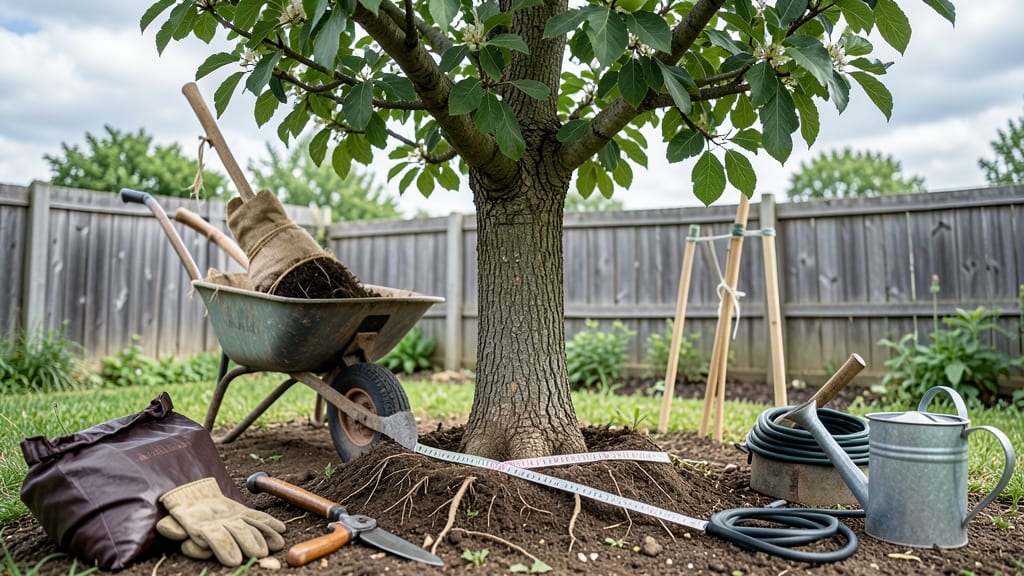
Learning how to move a tree without killing it feels like a high-stakes gamble. 🌳 After watching my neighbor’s oak struggle for years after a botched transplant, I learned the right timing and technique can make the difference between a thriving tree and a sad memorial.
The secret isn’t brute force—it’s understanding how roots behave and what they need to recover.
Start in late fall or early spring when the tree is dormant but not stressed by extreme heat or cold. Dig a trench around the root ball first, gradually widening it over 2-3 weeks to minimize shock.
The wider the trench, the more roots you’ll preserve, and that means faster recovery. Most gardeners rush this step and end up with damaged roots that take years to regrow.
Once you lift the tree, wrap the root ball in burlap or a tarp to keep it moist during transport. Plant it at the same depth as before—burying the trunk too deep suffocates the roots, while exposing them invites disease.
Water deeply immediately after planting, then mulch heavily to retain moisture and protect roots from temperature swings.
Recovery takes time, but with proper care, even large trees can bounce back. Prune damaged branches lightly to reduce stress, and avoid heavy pruning for at least a year.
Within 2-3 seasons, your tree should look like it never moved—if you did everything right. The key is patience and respecting the tree’s natural rhythm.
📚 In This Guide
- What you need
- Instructions
- Tips and common mistakes
- Wrapping up and next steps
What you need
- ● Shovel or spade: A sharp, sturdy digging tool (18-24" wide for small trees, 36"+ for large ones).
- ● Pruning shears or handsaw: For trimming roots and branches (sterilized with rubbing alcohol).
- ● Burlap or tree-moving sack: Heavy-duty, breathable fabric (2-3x the root ball size).
- ● Root stimulator or mycorrhizal fungi: Powder or gel to boost root recovery (follow label instructions).
- ● Wheelbarrow or dolly: For transporting the tree and root ball (ensure it’s wide enough).
- ● Watering can or hose with nozzle: For deep hydration before/after moving.
- ● Stakes and twine: 4-6 stakes (1/2" diameter) and 100+ ft of twine to secure the tree temporarily.
- ● Mulch: Organic mulch (wood chips, straw) to retain moisture and protect roots.
- ● Tree jack or lever: For lifting heavy root balls (especially for large trees).
- ● Garden hose with spray attachment: For gentle post-move hydration.
- ● Soil conditioner (compost or peat moss): To amend the new planting hole.
- ● Root barrier spray: Temporary sealant to prevent root desiccation during transport.
- ● Gloves and knee pads: For comfort and protection while digging.
- ● Measuring tape: To track root ball size and planting depth.
Step-by-step instructions for moving a tree without killing it
Here's the careful method I've used to transplant mature trees—minimizing shock and maximizing survival rates.
⏰ Step 1: Choose the Right Time and Prepare the New Location
Move your tree during its dormant season—either late fall or early spring when temperatures are cool but not freezing. This gives roots time to establish before active growth begins. Avoid transplanting during heatwaves or drought conditions, as stressed roots won't recover.
Test the new location by digging a hole twice as wide as the root ball and as deep as the tree's current root system. Amend the native soil with compost or organic matter to improve drainage and fertility. The hole should be prepared at least 2-3 weeks before moving day to allow the soil to settle.
🌱 Step 2: Prune and Protect the Root System
Start by pruning the tree's outer branches to reduce water loss and stress. Remove about one-third of the canopy, focusing on the uppermost growth. This step is critical—too many leaves mean the tree will continue photosynthesizing at the same rate while its roots struggle to recover.
Next, create a root barrier around the tree's perimeter using a spade or trenching tool. Dig 12-18 inches deep and 6-12 inches away from the trunk, depending on the tree's size. This helps contain the root ball when you lift it. Water the tree thoroughly 24 hours before moving to ensure the soil is moist and roots are hydrated.
🪴 Step 3: Lift and Transport the Tree Carefully
Use a tree spade or root saw to carefully sever the roots along the barrier you created. Work methodically to avoid tearing the root ball. Lift the tree slowly, using a wide-bladed shovel or tree fork to support the root system. Keep the root ball intact—even a small tear can delay recovery for months.
Wrap the root ball in burlap or a tarp to protect it during transport. If the tree is large, use a dolly or wheelbarrow to move it to the new location. Avoid dragging the tree—this can damage the roots. Keep the root ball moist by lightly spraying water every 15-20 minutes during transport to prevent drying.
💧 Step 4: Plant the Tree and Stabilize the Soil
Place the tree in the pre-dug hole, ensuring the top of the root ball sits 1-2 inches above ground level. This prevents soil from settling around the trunk and suffocating the roots. Backfill the hole with the amended soil, tamping it down gently to remove air pockets. Water deeply to settle the soil around the roots.
Create a watering basin around the tree by mounding soil to form a slight depression. This helps direct water to the root zone. Install a tree stake or support system if needed, but avoid tying the tree too tightly—roots need room to expand. Mulch the area with 3-4 inches of organic mulch, keeping it 6 inches away from the trunk to prevent rot.
☀️ Step 5: Monitor and Maintain the Tree Post-Transplant
Water the tree daily for the first week, then every other day for the next two weeks, gradually reducing to once a week once new growth appears. Monitor the soil moisture—it should remain consistently damp but not waterlogged. Overwatering can suffocate roots just as much as underwatering.
Fertilize the tree 3-4 months after transplanting with a balanced, slow-release fertilizer. Avoid heavy feeding immediately after moving, as the tree is still recovering. Prune any dead or damaged branches in early spring, but avoid heavy pruning until the tree has established itself for at least 1-2 growing seasons.
Tips & tricks for stress-free tree transplanting
Real talk: Moving a mature tree is like performing open-heart surgery on a living thing—one wrong move and you're looking at years of recovery. Here's what I've learned from transplanting dozens of trees without losing a single one.
Timing is Everything: The 24-hour pre-move watering isn't just about hydration—it's about giving roots maximum flexibility. I've seen trees with brittle roots from drought conditions snap like twigs during transplant. Test soil moisture 24 hours before moving: If it's dry more than an inch down, water again. The goal is roots that yield slightly when gently pulled, not ones that resist like concrete.
Root Barrier Precision: That 12-18 inch deep barrier isn't arbitrary—it's about creating a clean break while preserving the root system's integrity. I use a string line and marking paint to visualize the barrier before digging. For trees larger than 8 feet, I'll dig the barrier in sections, working clockwise around the trunk to avoid compressing the soil. The key is to sever roots cleanly rather than tearing them.
Transport Secrets: The 15-20 minute spray interval during transport isn't just about keeping roots moist—it's about maintaining root temperature. I've seen roots heat up 10°F above ambient in just 30 minutes on sunny days. Use a damp towel draped over the root ball during transport, and if moving in hot weather, schedule the transplant for early morning or late evening when temperatures are cooler.
Post-Planting Inspection: After backfilling, I always do a visual inspection of the root ball before covering it completely. Look for any exposed roots that might dry out—these are often hidden until you're nearly finished. For trees with particularly delicate roots (like willows or birches), I'll mix a bit of hydrogel crystals into the backfill soil to provide moisture during the critical first week when roots can't yet access water from the surrounding soil.
Pro Tips for Move A Tree Without Killing It
- Real talk: Moving a mature tree is like performing open-heart surgery on a living thing—one wrong move and you're looking at years of recovery.
- Timing is Everything: The 24-hour pre-move watering isn't just about hydration—it's about giving roots maximum flexibility.
- Root Barrier Precision: That 12-18 inch deep barrier isn't arbitrary—it's about creating a clean break while preserving the root system's integrity.
Frequently asked questions
Got questions about relocating your tree safely? You’re not alone—tree moving can feel tricky! Here are answers to the most common concerns to help you plan like a pro.
When is the best time of year to move a tree?
The ideal window is late fall to early spring (dormant season), when trees aren’t actively growing. Avoid summer heat or winter freezes—both stress roots. For tropical or evergreen species, check local climate guidelines, as their needs may vary!
How do I know if my tree is healthy enough to move?
Look for vibrant leaves, no signs of disease (like oozing sap or wilting), and a sturdy trunk. Avoid moving trees with root rot, pests, or recent storm damage—these weaken survival odds. A quick soil test (check pH and nutrients) also helps!
Can I move a tree myself, or should I hire a pro?
Small trees (under 10 feet) with shallow roots can be DIY-friendly if you’ve got the right tools (like a tree spade or burlap wrap). For mature, large, or valuable trees (e.g., oaks, maples), hire an ISA-certified arborist—they’ve got the expertise to minimize risk.
What if my tree’s roots are too big or tangled?
Use the “root pruning” method 6–12 months before moving to encourage new growth. For deep or gnarled roots, rent a hydraulic tree spade (rental stores carry them) or hire a pro to carefully sever excess roots while preserving the root ball’s integrity.
How long does it take for a moved tree to recover?
Most trees show initial shock (wilting, leaf drop) for 2–4 weeks, but recovery varies by species. Deciduous trees bounce back faster; evergreens take longer. Water deeply 2–3 times weekly for the first year, and avoid pruning until new growth appears!
Still unsure? Drop your question in the comments—we’re happy to help!
Wrapping up and next steps
Moving a tree without harming it is all about timing, technique, and tender care—but the payoff is worth every effort! 🌳 With the right tools, a well-planned approach, and patience, your tree can thrive in its new home.
Whether you're relocating a prized specimen or saving a beloved shade tree, you now have the know-how to make it happen.
Ready to take the next step? Start by assessing your tree’s health and needs—then mark your calendar for the ideal transplanting season. And if you’re feeling ambitious, why not share your newfound expertise with fellow green thumbs? Happy planting! 🌱