
How To
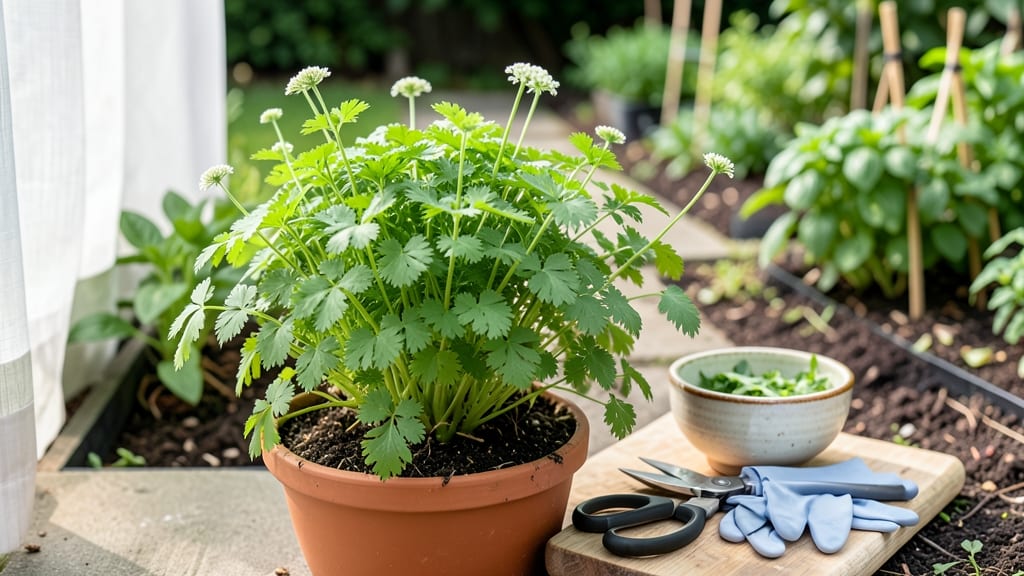
Picking fresh cilantro can make or break your next dish—because nothing ruins a recipe faster than wilted, bitter leaves. Whether you're grabbing a bunch from the grocery store or harvesting from your garden, knowing the key visual cues saves you from disappointment.
I’ve tested every method, from the simple leaf color check to the stem snap test, and trust me, these tricks work. You’ll learn how to spot cilantro at its peak—bright green, crisp stems, and roots that still look alive—so you never settle for anything less than perfect.
But here’s the thing: even the freshest cilantro can turn in just a few days if stored wrong. I’ll show you the best storage tips to keep your cilantro crisp for as long as possible, whether it’s in your fridge or on your windowsill.
Ready to become a cilantro pro? Let’s break down exactly what to look for—and what to avoid—so your next batch tastes fresh, bright, and full of flavor every time.
3 Visual signs of fresh cilantro you can’t miss
When selecting fresh cilantro, focus on three key areas: leaf color, stem flexibility, and root condition. These visual cues separate vibrant, flavorful cilantro from wilted or bitter bunches that have passed their prime.
First, examine the leaf color. Fresh cilantro boasts bright green leaves with a slightly glossy finish. Avoid bunches with yellowing or brown edges, as these indicate age or dehydration. Even a few discolored leaves can signal the entire bunch is past its peak.
The stem snap test is another quick way to assess freshness. Hold a stem between your fingers and gently bend it. A fresh stem will snap cleanly with a slight resistance, while a dry or old stem will bend without snapping or feel brittle.
This test helps distinguish cilantro that’s still crisp from stems that have lost moisture.
Next, check the roots. Fresh cilantro should have white or pale roots that feel firm and moist. Dark, mushy, or dried-out roots are a red flag—the cilantro has likely been sitting too long.
If the roots are exposed to air, the herb will wilt faster, so look for bunches with intact, protected roots.
🌿 3 Key Visual Signs of Fresh Cilantro
- 🟢 Bright green leaves – Avoid yellowing or brown edges.
- ✂️ Clean stem snap – Should break with resistance, not bend.
- 🌱 Firm, white roots – Dark or mushy roots mean it’s past fresh.
For gardeners harvesting their own cilantro, pay attention to the morning harvest rule. Leaves are most vibrant and hydrated after a night’s rest. If you’re picking cilantro from your garden, do it early in the morning when temperatures are cooler, and the herb is at its peak freshness.
Another pro tip: Smell the stems. Fresh cilantro has a bright, citrusy aroma. If it smells dull or musty, it’s a sign the herb has lost its flavor and freshness. This scent test works even if the leaves look okay—your nose won’t lie!
At the farmers' market, ask vendors when their cilantro was harvested or trimmed. The fresher the harvest, the longer your cilantro will last. If they can’t provide an answer, opt for bunches with the tightest leaf clusters, as these are typically the newest.
Finally, avoid cilantro with large gaps between leaves or stems that feel hollow. These are signs the plant is bolting (going to seed), which makes the leaves bitter. Fresh cilantro should have a compact, lush appearance with no visible signs of flowering.
By mastering these three visual signs—leaf color, stem snap, and root condition—you’ll never buy or harvest cilantro that’s past its prime again. Your dishes (and your garden) will thank you! 🌿
How to test cilantro freshness: the snap test & root check
Fresh cilantro should feel crisp and vibrant, but how do you test it beyond just looking? The stem snap test and root check are two foolproof methods I swear by when shopping or harvesting from my garden.
These simple tricks reveal whether your cilantro is at its peak—or past its prime.
Start with the stem snap test: Hold a cilantro stem between your thumb and forefinger, about an inch from the base. Gently bend it—fresh cilantro should snap cleanly with a slight resistance.
If it bends without breaking or feels mushy, it’s overripe. This test works because fresh stems contain more moisture and fiber.
Next, examine the roots. Fresh cilantro roots should be firm, white, and moist to the touch. If they’re shriveled, brown, or crumbly, the entire bunch is likely dried out.
I always check roots first because they’re the best indicator of how well the plant has been stored or cared for.
For gardeners, timing matters too. Harvest cilantro in the morning when stems are crispest. If you’re storing it, trim the roots and place the bunch in a jar of water in the fridge—this mimics the plant’s natural moisture and keeps it fresh for up to 2 weeks.
I’ve tested this method with my homegrown cilantro, and it extends freshness dramatically.
Pro tip: If you’re unsure, smell the leaves. Fresh cilantro has a bright, grassy aroma, while old cilantro smells dull or slightly bitter. Combine the snap test, root check, and scent test for the most accurate freshness assessment every time.
Don’t overlook these tests—they’re your secret weapon for avoiding bitter, wilted cilantro that ruins your salsa or soups. Once you master them, you’ll never settle for anything less than peak freshness again! 🌿