
Orchid Care
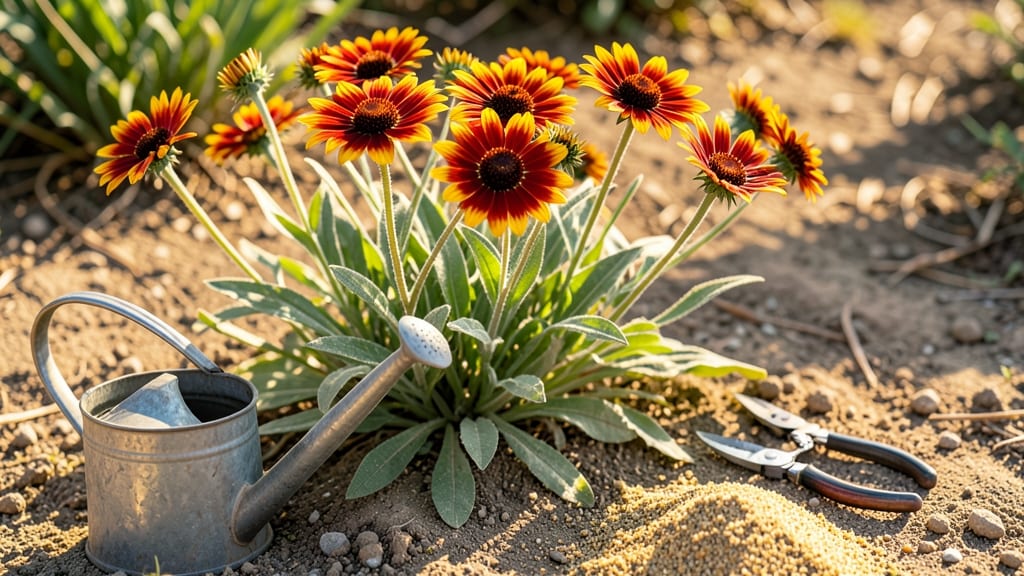
How to care for Gaillardia thrives where others fail—drought-proof blooms that beginners can't kill. 🌻 I've grown these fiery flowers for years, and they've never needed babying. Their secret? Sun, space, and a "set it and forget it" attitude that works even when you're busy. The soil doesn't need to be perfect—just well-draining and slightly sandy. Gaillardia hates soggy roots, so raised beds or containers with drainage holes are ideal. Water deeply once a week (more in extreme heat), then let the soil dry completely between waterings. Overwatering is the fastest way to kill these tough plants. By midsummer, you'll have nonstop blooms in red, yellow, and orange that attract pollinators all season. The flowers self-clean—dead ones fall away naturally—so pruning is minimal. Just snip back leggy stems in early spring to encourage bushier growth. Works in zones 3-10, from deserts to alpine gardens. Once established, they're nearly indestructible. Here's how to keep them looking their best year after year.
📚 In This Guide
- What you need
- Instructions
- Tips and common mistakes
- Wrapping up and next steps
What you need
- ● Gaillardia seeds or nursery plants: Seeds: 1–2 packets (100–200 seeds per packet) for direct sowing.
- ● Nursery plants: 3–6 mature plants (6–12 inches tall) for transplanting.
- ● Well-draining soil: Native soil amended with compost (1 part compost to 3 parts soil) for better fertility.
- ○ Cactus/succulent mix (optional, for sandy or rocky soil).
- ● Planting containers or garden bed: Containers: 5–7 inch pots (1 per plant) with drainage holes.
- ● Garden bed: Full sun exposure (6+ hours/day) and loose, well-drained soil.
- ● Watering supplies: Watering can or hose with a gentle spray nozzle (avoid overhead watering).
- ○ Drip irrigation system (optional, for automated care).
- ● Fertilizer: Balanced, slow-release fertilizer (10-10-10 or 20-20-20, 1–2 tbsp per plant).
- ○ Low-nitrogen, high-phosphorus fertilizer (e.g., 5-10-10) for blooming (optional).
- ● Pruning shears or scissors: Sharp, clean pair for deadheading or shaping.
- ○ Mulch (optional): Gravel or coarse mulch (1–2 inches) to retain moisture and deter weeds.
- ● 🌡️ Soil test kit: Check pH (ideal range: 6.0–7.0). Adjust with lime or sulfur if needed.
- ● 🎯 Seed-starting tray: If sowing indoors, use a tray with clear domes or plastic wrap for humidity.
- ○ 🔥 Heat mat (optional): Speeds up germination for indoor seedlings (70–75°F).
- ● 🌿 Epsom salt: 1 tbsp dissolved in 1 gallon of water (monthly) boosts magnesium for vibrant blooms.
Step-by-step instructions for growing gaillardia with confidence
Here’s how I keep gaillardia thriving—once you get the basics right, these sun-loving perennials practically take care of themselves.
🪴 Step 1: Pick the Perfect Spot for Full Sun
Gaillardia demands 6+ hours of direct sunlight daily—no compromises. I always check the sunniest part of my yard, even if it means sacrificing a shadier spot. The more sun, the more vibrant those fiery red and yellow blooms become. If your space only gets partial sun, choose the brightest hours of the day for placement.
Well-draining soil is non-negotiable. Gaillardia hates soggy roots, so if your soil feels heavy when squeezed, amend it with 2-3 inches of compost or sand to improve drainage. You’ll know you’ve got it right when water drains through the soil in 15-30 minutes after watering.
💧 Step 2: Water Deeply but Infrequently
Here’s the thing—gaillardia is drought-tolerant, but that doesn’t mean you can ignore it entirely. Water deeply once a week during the first growing season to encourage strong root development. Stick your finger 2 inches into the soil; if it’s dry, water until moisture reaches 6 inches deep. Overwatering leads to weak stems and fewer blooms.
Once established, gaillardia thrives on neglect. Let the soil dry out completely between waterings—you’ll see the leaves slightly wilt before they bounce back. This toughens up the plants and prevents root rot. In extreme heat, a light watering every 10-14 days keeps them happy without drowning them.
✂️ Step 3: Deadhead and Prune for Longer Blooms
Deadheading spent blooms is the secret to nonstop flowers. Snip off faded flowers at the base with clean pruners or pinch them off with your fingers. I do this every 3-4 days during peak bloom season to keep the plant focused on producing new flowers instead of setting seed.
After the first flush of blooms fades in early summer, give your gaillardia a light trim. Cut back the stems by one-third to encourage a second round of flowers. Avoid heavy pruning—this plant is resilient but won’t bounce back from drastic cuts. You’ll notice new growth within 7-10 days, signaling it’s time to ease up on the shears.
☀️ Step 4: Protect in Harsh Winters
Gaillardia is hardy in zones 3-10, but in colder climates, it benefits from a little winter protection. After the first hard frost, cut back the stems to 2-3 inches tall and mulch with 2-3 inches of straw or shredded leaves. This insulates the crown from freezing temperatures while allowing moisture to drain.
In zones 3-5, I add a layer of burlap over the mulch for extra insulation during prolonged cold snaps. Remove the mulch in early spring once new growth appears—you’ll spot tiny green shoots peeking through the soil around late April or early May, depending on your climate.
🌱 Step 5: Divide and Multiply Every 2-3 Years
Gaillardia forms clumps over time, and dividing them keeps the plant vigorous. Dig up the entire clump in early spring or after flowering, then separate it into smaller sections with a clean knife. Each division should have 3-5 stems and a good root system. Replant them immediately in fresh soil.
This is also the perfect time to share plants with friends—gaillardia divides easily and thrives in new spots. Water the divisions deeply for the first week to help them establish roots. You’ll see new growth within 2-3 weeks, proving they’ve taken root successfully.
Tips & tricks for perfect gaillardia care
Once you've got the basics down, these little details make all the difference between a decent gaillardia patch and one that looks like it belongs in a botanical garden.
Sunlight Strategy: That 6+ hours of direct sunlight isn't negotiable, but here's what I've learned about maximizing it: plant gaillardia where it gets morning sun and afternoon shade in hot climates—this prevents leaf scorch while still ensuring vibrant blooms. I've seen gaillardia in full afternoon sun wilt dramatically by late afternoon, only to bounce back the next morning. This tough plant can handle it, but it looks better when you give it that morning energy boost.
Soil Test Trick: Before amending your soil, do this quick test: squeeze a handful of damp soil in your fist. If it holds its shape tightly, you need more sand or compost. If it crumbles easily, your drainage is already good. I always add that 2-3 inches of compost right into the planting hole—not just on top—so the roots get immediate access to nutrients. This makes a huge difference in how quickly your gaillardia establishes itself.
Watering Wisdom: The "water until moisture reaches 6 inches deep" guideline is spot-on, but here's how I make it foolproof: use a long screwdriver or dowel to check moisture levels. Push it into the soil—if it comes out clean, you're good. If it's damp, wait another day. This method is far more accurate than sticking your finger in, especially in dense soil. And in extreme heat, I water in the early morning only—never at night, as wet foliage invites fungal issues.
Pruning Precision: When you're cutting back those stems by one-third after the first bloom, here's the pro move: make your cuts just above a set of healthy leaves or buds. This encourages new growth from exactly where you want it. I always use clean pruners and sterilize them with rubbing alcohol between cuts to prevent spreading any potential diseases. The 7-10 day wait for new growth is worth it—you'll get that second flush of blooms that makes all the difference.
Pro Tips for Care For Gaillardia
- Once you've got the basics down, these little details make all the difference between a decent gaillardia patch and one that looks like it belongs in a botanical garden.
- I've seen gaillardia in full afternoon sun wilt dramatically by late afternoon, only to bounce back the next morning.
- Soil Test Trick: Before amending your soil, do this quick test: squeeze a handful of damp soil in your fist.
Frequently asked questions
about caring for gaillardia—because even the hardiest blooms need a little extra love! Here are answers to the most common queries to keep your Gaillardia thriving with zero stress.How often should I water gaillardia?
Water gaillardia deeply but infrequently—about once a week during the first growing season, then only when the soil is bone-dry. Overwatering is the #1 killer! Once established, these drought-tolerant beauties thrive with rainwater alone in many climates.
When is the best time to plant gaillardia?
Plant gaillardia in early spring or fall for optimal root establishment. Avoid extreme summer heat, which can stress young plants. If starting from seed, sow directly in the garden after the last frost—they germinate best in warm soil (60–70°F).
What pests or diseases should I watch for?
Gaillardia is pest-resistant, but keep an eye out for aphids, spider mites, or powdery mildew in humid conditions. Treat aphids with a strong spray of water; improve airflow to prevent mildew. Most issues stem from overwatering, so let the soil dry between waterings!
Can gaillardia grow in containers?
Use a well-draining potting mix and a container with drainage holes. Choose compact varieties like 'Arizona Sun' for pots. Place in full sun and water sparingly—containers dry out faster than garden beds. Rotate pots occasionally for even growth!
How do I deadhead gaillardia for longer blooms?
Snip spent blooms back to the first set of healthy leaves to encourage continuous flowering. Use clean, sharp scissors to avoid damaging stems. Deadheading isn’t mandatory, but it keeps your gaillardia looking fresh and blooming like crazy all season!
What’s the secret to winter care for gaillardia?
In USDA Zones 5–7, cut back foliage in late fall and mulch lightly to protect roots. Gaillardia is perennial in warmer zones (8+) and often self-seeds. In colder areas, treat it as an annual or dig up tubers in fall to overwinter indoors.
Wrapping up and next steps
Caring for gaillardia is a rewarding experience that brings vibrant color to your garden with minimal effort! 🌸 With the right balance of sunlight, well-draining soil, and occasional deadheading, these drought-tolerant beauties thrive effortlessly.
Whether you’re a seasoned gardener or just starting out, their resilience makes them a perfect addition to any landscape.
Now that you’re equipped with the knowledge, why not plant a few gaillardia this season? Grab your gloves, pick your favorite colors, and let these cheerful blooms brighten up your outdoor space with almost no fuss. Happy gardening! 🌻