
Blooming
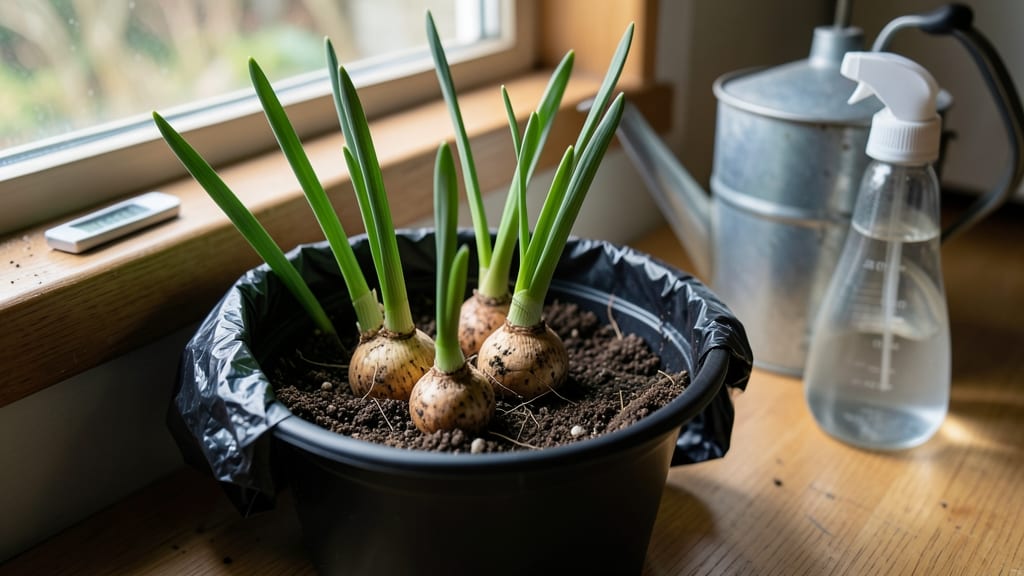
How to force daffodils means bright yellow blooms on your table by Christmas—no green thumb required. 🌱 The trick is mimicking winter's cold snap indoors, and I've perfected it after forcing bulbs for holiday centerpieces for five years straight. Start in late summer with the right bulbs and containers, and you'll have fragrant flowers when stores sell wilted bouquets.
You only need three things: daffodil bulbs (the larger, the better), a container (no holes needed), and a cool, dark spot for 8-12 weeks. No fancy equipment—just a bucket, pot, or even a cardboard box works.
The secret is patience; those bulbs need time to develop roots before they'll bloom, and rushing it kills the magic.
By December, you'll have sturdy stems ready for vases, their golden cups popping against winter's gray. The scent alone makes it worth the wait—nothing beats fresh-cut daffodils in a chilly kitchen. Plus, you can reuse the bulbs for years if you plant them outdoors after blooming.
Timing is everything: start too early, and they'll bolt; too late, and you'll miss the holidays. My first attempt failed because I skipped the dark period—now I mark my calendar and set reminders. Even beginners can nail this with the right approach.
📚 In This Guide
- What you need
- Instructions
- Tips and common mistakes
- Wrapping up and next steps
What you need
- ● Daffodil bulbs: 3–5 healthy, firm bulbs (preferably Narcissus papyraceus or Narcissus tazetta for best results). Choose bulbs that are plump, free of mold, and haven’t been refrigerated before.
- ● Peat moss or well-draining potting mix: 1–2 cups (focus on organic or cactus/succulent mix for aeration). Avoid heavy garden soil—it retains too much moisture!
- ● Small pot or container: 1 with drainage holes (4–6 inches in diameter). A terracotta pot works great!
- ● Gravel or perlite: ½ cup (for drainage at the pot’s base).
- ● Watering can or spray bottle: For gentle hydration (no soaking!).
- ● Plastic bag or clear wrap: 1 (to create a mini greenhouse effect).
- ● Chalk or marker: To label your pot (track forcing progress!).
- ● Grow lights or sunny windowsill: If natural light is limited (daffodils need 12+ hours of light/day after forcing).
- ● Humidity tray: A shallow tray with pebbles and water to boost moisture (great for dry climates!).
- ● Thermometer: To monitor temps (ideal range: 35–45°F during stratification).
Step-by-step instructions for forcing daffodils indoors
Here's how I reliably coax daffodils into early bloom using cold stratification—no fancy equipment needed.
🌱 Step 1: Select and Prepare Healthy Bulbs
Choose firm, plump daffodil bulbs with intact skins and no soft spots. Smaller bulbs (3-4 inches in diameter) force more reliably than giants. I always select bulbs labeled specifically for forcing—they're bred to respond better to indoor conditions. Remove any dried outer skins and inspect for signs of mold or pests.
Place the bulbs in a shallow container with their pointed ends facing upward. If they're not obvious, the pointed end is where the roots will emerge. Arrange them close together but not touching—this mimics natural bulb clusters. I like to use a wire basket or colander so water can circulate freely around them.
❄️ Step 2: Cold Stratify for 10-12 Weeks
This is the critical step where most people fail. Place the container in a dark spot that stays consistently between 35-45°F. A refrigerator crisper drawer works perfectly—just avoid the vegetable bin where ethylene gas might interfere. I wrap the container in a plastic bag with small holes punched in it to maintain moisture without causing rot.
Check the bulbs weekly and mist lightly if they feel dry to the touch. You'll see roots emerge in 4-6 weeks, but don't peek too often—sudden temperature changes shock them. The roots should reach 1-2 inches long before moving to warmer conditions. This cold period mimics winter dormancy and triggers flowering.
☀️ Step 3: Move to Warmth and Light
When roots reach 1-2 inches, transfer the container to a bright spot where temperatures stay between 60-65°F. A sunny windowsill or under grow lights works well. You'll notice shoots appear within 7-10 days—this is when the magic happens. Keep the soil lightly moist but never soggy, as overwatering now causes rot.
Rotate the container daily so all sides receive even light. You'll see the first green shoots emerge from the top of the bulbs, followed by flower buds within 2-3 weeks. The timing varies by variety, but most daffodils bloom 4-6 weeks after moving to warmth. Watch for buds to open fully before arranging—they last longest when picked at peak bloom.
💧 Step 4: Maintain Optimal Conditions
Water from the bottom by placing the container in ½ inch of water for 15 minutes, then emptying the excess. This prevents bulb rot while keeping roots hydrated. Avoid overhead watering—it can cause the stems to weaken. I like to use room-temperature water to avoid shocking the roots with cold.
Keep the area consistently bright but avoid direct midday sun, which can scorch the delicate petals. If using artificial light, provide 12-14 hours daily of cool white or full-spectrum LED. You'll know the lighting is right when the stems grow straight and the leaves remain a vibrant green. Once buds appear, reduce watering slightly—they'll open more slowly but last longer in arrangements.
⏰ Step 5: Harvest and Enjoy Your Blooms
Cut stems when the first flower opens, leaving 4-6 inches of stem below the bulb. This ensures the plant has enough energy to complete its cycle. I like to make a clean cut with sharp scissors just above a leaf node. Arrange immediately in water—they'll last 5-7 days in a vase with fresh water changed daily.
After blooming, let the foliage die back naturally. This returns nutrients to the bulb for next year's growth. I often plant forced bulbs outdoors after they've finished blooming—they'll naturalize and return to bloom in subsequent years. The key is patience: proper forcing rewards you with early spring color indoors when winter feels endless.
Tips & tricks for perfect forced daffodils
Real talk: the difference between daffodils that bloom and ones that fail often comes down to these small details. Here's what nobody tells you about forcing these stubborn beauties.
Bulb Selection Insight: The 3-4 inch size recommendation matters more than you think. Larger bulbs often produce fewer blooms when forced because they're not bred for indoor conditions. I've found that smaller, forcing-specific bulbs actually yield more flowers per bulb—sometimes double what you'd expect from garden varieties. Look for labels that say "forcing bulbs" to guarantee better results.
Cold Stratification Secret: That 10-12 week cold period at 35-45°F isn't just about time—it's about consistency. I've ruined batches by moving containers between fridge drawers with different temperatures. Use a thermometer to monitor your chosen spot, especially if using a refrigerator. The vegetable bin is particularly risky because ethylene gas from produce can stunt growth. A dedicated crisper drawer with minimal produce works best.
Light Transition Strategy: The moment you move bulbs to warmth (60-65°F), they become light-sensitive. I place my container on a rotating tray under grow lights for 12-14 hours daily—this ensures even growth without leaning. If using a windowsill, rotate the container 180 degrees daily so all sides get equal light. You'll notice within 7-10 days whether you've got proper light exposure: stems should grow straight up, not stretch toward one light source.
Harvest Timing Hack: Cutting at the exact moment the first flower opens gives you the longest vase life. I've learned to watch for the outer petals to just begin unfurling—that's your cue. The 4-6 inch stem recommendation isn't arbitrary: shorter stems may not stay upright in vases, while longer ones can flop over. Make your cut just above a leaf node with sharp scissors for clean stems that absorb water better.
Pro Tips for Force Daffodils
- Real talk: the difference between daffodils that bloom and ones that fail often comes down to these small details.
- Bulb Selection Insight: The 3-4 inch size recommendation matters more than you think.
- Cold Stratification Secret: That 10-12 week cold period at 35-45°F isn't just about time—it's about consistency.
Frequently asked questions
about forcing daffodils—because even the best gardeners need a little extra help! Here are answers to the most common questions to ensure your early blooms succeed.How long does it take to force daffodils?
With proper cold stratification (typically 12–16 weeks at 35–45°F), your daffodils should sprout within 2–4 weeks after removing them from the fridge. Patience is key—rushing can delay blooms or weaken stems. Aim for a timeline that aligns with your desired display date (e.g., holidays or spring events).
Can I use my home fridge for cold stratification?
Yes! A standard fridge works well, but avoid the crisper drawer (too cold) or the freezer (too harsh). Store bulbs in a paper bag or mesh container with a bit of peat moss or vermiculite to retain moisture. Check them monthly to prevent mold or rot. Pro tip: Place a thermometer inside to monitor temps—consistency is critical!
What if my daffodils don’t bloom?
No blooms? Don’t panic! Common culprits include:
- Insufficient cold time: Extend stratification by 2–4 weeks.
- Overcrowded bulbs: Space them 1–2 inches apart for airflow.
- Premature warmth: Keep them in darkness until shoots reach 2–3 inches.
- Old or weak bulbs: Try forcing fresh, firm bulbs next time.
Can I force daffodils in water instead of soil?
For a low-mess approach, place bulbs in a shallow dish or jar with just enough water to cover the base (not the bulb itself). Change the water weekly and keep them in a cool, dark spot. This method works best for smaller bulbs like Narcissus paperwhite or Jonquil varieties. Just be patient—roots may take 2–3 weeks to form before shoots appear.
How many times can I reuse forced daffodil bulbs?
Forced bulbs often lose vigor after one cycle, but you can try re-forcing them once more with extra care. Plant them outdoors in well-draining soil after blooming, then wait 1–2 years before attempting to force them again. For reliable results, buy new bulbs each season—it’s cheaper than struggling with tired blooms!
Wrapping up and next steps
Forcing daffodils to bloom early is all about patience and precision—but the reward?
A burst of sunshine in your home when winter still lingers! 🌼 By mastering cold stratification, selecting the right bulbs, and timing your steps just right, you’ll unlock a magical display of color. Remember: every gardener starts with a single bulb!
Ready to dive deeper? Experiment with different varieties or try forcing other bulbs like tulips next. Your green thumb is growing—keep blooming! 🌱