
Pests
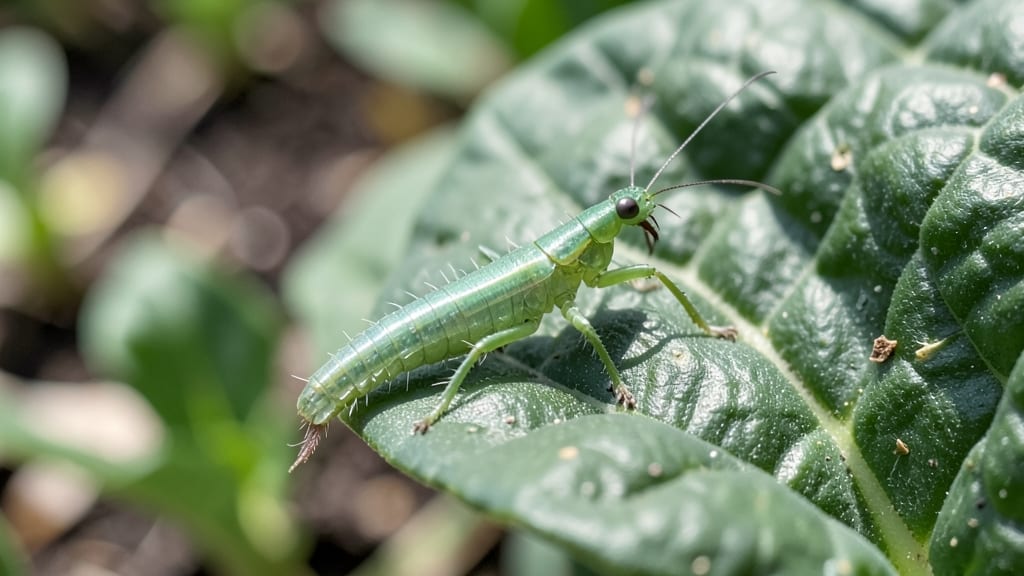
How to get rid of bugs on collard greens—that boiling water blast isn’t just old gardening wisdom, it’s the fastest way to wipe out aphids, cabbage worms, and flea beetles without chemicals. I’ve saved dozens of plants using this method, and the results are immediate: pests drop like flies while your greens stay unharmed.
The secret lies in timing and technique. Early morning works best when bugs are sluggish from dew, and you only need a simple pot, water, and a steady hand.
One blast targets the pests directly, while the heat stuns anything nearby. It's not just effective—it's foolproof for gardeners who want instant results without waiting for sprays to work.
What you'll get is collard greens that look shockingly lush within hours, with pests gone for good. The plants recover faster than you'd expect, and you avoid the residue problems that come with chemical treatments. Plus, this method works on kale, mustard greens, and other brassicas too.
Best part? You can repeat it every 3-5 days during outbreaks, and it's completely safe for pollinators when used correctly. No more wilting leaves or chewed holes—just healthy, thriving greens ready for your table. Let's tackle those pests head-on!
Root Causes of Bug Infestations
Collard greens are a garden favorite, but their tender leaves can quickly become a buffet for pests. Understanding why these bugs show up in the first place is the first step to keeping your greens healthy and thriving.
Let’s break down the most common reasons, backed by science, so you can take targeted action.
Collard greens left too close together create a cozy, humid microclimate—perfect for pests like aphids, flea beetles, and slugs.
When plants are crowded: - Reduced airflow traps moisture, encouraging fungal diseases (like downy mildew) that attract insects. - Shaded leaves stay damp longer, making them more appealing to sap-sucking bugs like aphids. - Easier access for crawling pests (e.g., slugs, cutworms) since they can move freely between plants without exposure to predators or sunlight.
Actionable fix: Space collard greens 12–18 inches apart in rows 2–3 feet apart for optimal airflow and sunlight penetration.
Bugs target stressed plants because they’re easier to feed on.
Common deficiencies that weaken collard greens include: - Nitrogen (N) deficiency: Leads to pale, yellowing leaves (chlorosis), which aphids and cabbage worms love. - Calcium (Ca) deficiency: Causes weak stems and edges (a classic sign of blossom end rot in related greens), making plants vulnerable to cutworms. - Magnesium (Mg) deficiency: Yellowing between leaf veins (interveinal chlorosis) signals poor energy production, weakening the plant’s defenses.
Actionable fix: Conduct a soil test and amend with compost or balanced fertilizer (e.g., 10-10-10). Add egg shells (crushed) or lime for calcium if needed.
In a balanced ecosystem, bugs like ladybugs, lacewings, and parasitic wasps keep pest populations in check.
But if your garden lacks biodiversity: - Monoculture planting (growing only collard greens) removes habitat for beneficial insects. - Pesticide overuse kills both pests and their predators, creating a vacuum that pests rush to fill. - Urban or suburban gardens often have fewer wild predators due to lawns and sealed landscapes.
Actionable fix: Plant companion plants like dill, marigolds, or nasturtiums to attract predators. Avoid broad-spectrum pesticides—opt for neem oil or soapy water sprays instead.
Collard greens thrive in moist but well-drained soil.
Too much water, however, creates ideal conditions for: - Fungal pests (e.g., cabbage maggots, which lay eggs in damp soil). - Slugs and snails, which seek out moist, shaded areas under leaves. - Bacterial soft rot, weakening stems and making plants more susceptible to chewing insects like cabbage loopers.
Actionable fix:
- Water deeply but infrequently (1–1.5 inches per week).
- Use drip irrigation (not overhead sprinklers) to keep leaves dry.
- Add diatomaceous earth or copper tape around plant bases to deter slugs.
Timing matters!
Collard greens planted too early or late in the season are more prone to pests because: - Early spring plantings may face flea beetles, which emerge as temperatures rise. - Late summer/fall plantings attract imported cabbage worms and harlequin bugs, which thrive in cooler weather. - Overwintered pests (like aphids) survive on residual plant debris if you don’t clean up garden beds.
Actionable fix: Plant collard greens 4–6 weeks before your first frost for a fall harvest, or after the last frost in spring. Rotate crops yearly to disrupt pest life cycles.
Sometimes, the problem isn’t the bugs—it’s the hidden stressors in your soil or garden practices:
- Synthetic fertilizers can disrupt beneficial microbial activity, making plants less resilient.
- Old pesticide residues (even from previous seasons) may repel natural predators, leaving your greens defenseless.
- Compacted or clay-heavy soil restricts root growth, weakening plants and making them more attractive to pests.
Actionable fix: Test soil for pH (ideal: 6.0–7.0) and amend with compost or organic matter to improve structure. Avoid synthetic chemicals—opt for fish emulsion or worm castings for nutrients.
Pro Tip: 🔍 Inspect leaves daily—early detection is key! Check the undersides of leaves (a hotspot for aphids and spider mites) and soil surface (where cabbage maggots lay eggs). A hand lens helps spot tiny eggs or larvae before they become a full-blown infestation.
Quick Fixes for Common Collard Green Pests
Now that you know why bugs are crashing your collard green party, let’s tackle how to kick them out for good—without losing your sanity (or your harvest). Below are targeted solutions for the most common pests, paired with prevention tips to keep them from returning.
Think of this as your pest-fighting playbook, with methods that range from gentle to aggressive depending on your comfort level.
Fix: These sap-sucking bullies multiply fast, but they’re easy to evict.
- Blast them off 💦: Hold collard greens under a strong stream of water (from a hose or spray bottle) to dislodge them. Do this every 2–3 days until they’re gone.
- Neem oil spray 🌿: Mix 1 tbsp neem oil + 1 tsp mild soap + 1 quart water. Spray directly on aphids (they’ll drop off within hours). Reapply after rain.
- Introduce predators 🐞: Ladybugs and lacewings love aphids. Buy them online or attract them with dill or fennel planted nearby.
💡 Prevention Tip:
- Plant basil or garlic nearby—aphids hate the scent.
- Check undersides of leaves daily (they hide there!).
Fix: These caterpillars munch like locusts—but you can stop them cold.
- Handpick & drown 👨🍳: Wear gloves, pluck loopers off leaves, and drop them into soapy water. Do this early morning when they’re sluggish.
- Diatomaceous earth (DE) barrier 🏗️: Sprinkle food-grade DE around the base of plants. It dehydrates loopers without harming your greens.
- Bt spray (Bacillus thuringiensis) 💉: A natural bacterial pesticide that kills loopers without hurting bees. Spray every 5–7 days until infestation ends.
💡 Prevention Tip:
- Use row covers 🛡️: Lightweight fabric blocks adult moths from laying eggs. Remove when plants flower to allow pollination.
- Rotate crops 🌱: Don’t plant collards in the same spot yearly—loopers thrive in familiar territory.
Fix: These speckled beetles chew tiny holes in leaves, but they’re easy to outsmart.
- Yellow sticky traps 🎯: Place yellow cards coated in petroleum jelly near plants. Beetles land and get stuck.
- Row covers again 🛡️: These block adult beetles from reaching leaves. Secure edges tightly!
- Spinosad spray 💊: A natural pesticide derived from soil bacteria. Spray at dusk (beetles are active then).
💡 Prevention Tip:
- Mulch heavily 🌿: A thick layer of straw or grass clippings discourages beetles from laying eggs.
- Plant trap crops 🥬: Sacrifice a few mustard greens—beetles prefer them over collards!
Fix: These giant green caterpillars blend in like ninjas—but they’re easy to spot if you look closely.
- Squish them (yes, really) 👊: Wear gloves, pick them off, and drop them in soapy water. They’re one of the few pests you can kill by hand without guilt.
- Encourage wasps 🐝: Braconid wasps lay eggs in hornworms, turning them into zombie-like hosts. Don’t swat them—they’re your secret weapon.
- Kaolin clay spray 🏺: Mix kaolin clay + water and spray on leaves. It repels hornworms by making leaves unappetizing.
💡 Prevention Tip:
- Plant basil nearby 🌿: Hornworms avoid basil—it confuses their senses.
- Check leaves daily 🕵️: The earlier you find them, the less damage they’ll do.
Fix: These glistening pests leave silver trails and skeletonize leaves overnight.
- Beer traps 🍺: Bury a shallow dish filled with beer near plants. Slugs crawl in and drown. Refresh every few days.
- Copper tape barrier ⚡: Wrap copper tape around raised beds or containers. The electric shock (from their slime) deters them.
- Crushed eggshells or diatomaceous earth 🥚: Sprinkle around plants to create a sharp, irritating barrier.
💡 Prevention Tip:
- Water in the morning ☀️: Slugs hide during the day—wet leaves at night give them a party spot.
- Remove hiding spots 🪵: Clear debris, boards, and thick mulch where they lurk.
If pests are overwhelming your collards, boiling water is your instant eradicating weapon (as mentioned in the article title!). - 🔥 Boiling water blast 🍲: Fill a watering can with boiling water, then pour it directly over infested leaves.
This kills eggs, larvae, and adults on contact. - ⏰ Best time: Early morning (pests are sluggish) or late evening (after they’ve fed). - ⚠️ Warning: Only use this as a last resort—it can damage young plants if overused.
💡 Pro Tip:
- Rotate methods to prevent resistance. Don’t rely on one solution forever—pests adapt!
- Inspect new plants 🌱 before adding them to your garden. Quarantine for a few days to spot hitchhiking pests.
Final Thought: Most pests are easy to manage if you act fast and stay consistent. The key? Combine prevention + quick fixes—and soon, your collard greens will be bug-free, lush, and ready to harvest! 🥬✨
Frequently asked questions
Will boiling water harm my collard greens if I use it too often?
Boiling water is powerful but should be used sparingly—no more than once every 3-5 days. While mature plants can handle occasional blasts, young seedlings or tender leaves may scorch. Test a small area first and avoid spraying during peak sun hours to prevent heat stress. For frequent use, opt for neem oil or soapy water sprays instead.
Can I use this boiling water method on other leafy greens like kale or spinach?
The boiling water technique works on all brassicas (kale, mustard greens, Brussels sprouts) and even spinach. The key is timing—use it early morning when pests are sluggish and avoid overwatering delicate greens like lettuce. Just adjust the water volume based on plant size to prevent damage.
What’s the best way to tell if my collard greens have a pest problem before visible damage appears?
Check the undersides of leaves daily for tiny eggs or webbing (aphids, spider mites). Look for silver trails (slugs) or tiny holes (flea beetles) on leaf edges. A hand lens helps spot larvae early. Early detection means faster intervention—start with a soapy water rinse or neem oil spray before pests multiply.
Are there any pests that won’t respond to boiling water or natural sprays?
Some stubborn pests like harlequin bugs or armyworms may require spinosad or Bt spray for complete eradication. For these, combine the boiling water blast with yellow sticky traps or row covers. If infestations persist, consider crop rotation—these pests often return to the same planting spots yearly.
How do I know if my collard greens are stressed from bugs or just nutrient-deficient?
Bug damage shows as chewed edges, holes, or sticky residue (aphid honeydew). Nutrient issues appear as yellowing between veins (magnesium deficiency) or purple stems (phosphorus deficiency). Test soil pH (6.0-7.0 ideal) and amend with compost. If pests are present, treat them first—stressed plants attract more bugs!