
Pests
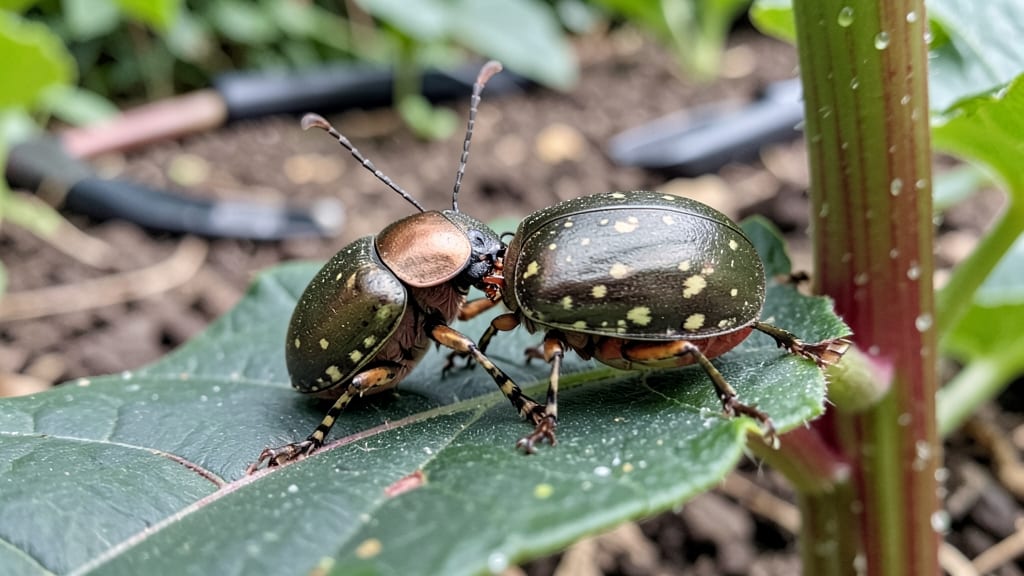
How to get rid of cucumber beetles—those striped garden pests are the sneakiest villains of summer crops. 🌱 I lost my first squash crop to them before realizing these beetles don’t just chew leaves—they spread bacterial wilt, a death sentence for cucumbers and melons. The good news? Neem oil isn’t just a spray; it’s a life-cycle disruptor that works when other methods fail.
Most gardeners grab row covers too late or rely on insecticidal soap that only works for a few hours. Neem oil, applied at the right stage, stops beetles from laying eggs and disrupts their feeding habits.
You’ll see damage slow within 24-48 hours of treatment, and new growth stays protected. The secret is timing: start before flowers appear, and reapply every 5-7 days during peak beetle season.
What you end up with is plants that look healthy from the outside but stay safe from wilt on the inside. The vines grow stronger, the fruits develop without scarring, and you avoid the heartbreak of watching plants collapse mid-season. This isn’t just damage control—it’s prevention that lasts.
Works for all cucurbit crops (cucumbers, squash, melons, pumpkins) and plays nicely with other organic controls. Here’s how to make it work without chemicals—because your garden deserves better than a beetle-free zone that’s just a memory.
Root Causes Of Cucumber Beetle Infestations
Cucumber beetles—those tiny, striped pests—don’t just appear out of nowhere. They’re drawn to your garden by a mix of environmental cues, plant chemistry, and even human habits.
Understanding why they target cucumbers, squash, and melons is the first step to outsmarting them. Here’s a breakdown of the science behind their invasion:
Cucumber beetles (both the striped Acalymma vittatum and spotted Diabrotica undecimpunctata) have a voracious appetite for cucurbit crops. These include:
- Cucumbers
- Squash (summer, winter, zucchini)
- Melons (watermelon, cantaloupe, honeydew)
- Pumpkins and gourds
Why? These plants produce volatile organic compounds (VOCs) like cucurbitacins, which signal to beetles that a feast is nearby.
The more cucurbit plants you grow—especially in dense monocultures—the stronger the chemical beacon. Beetles also thrive in weedy areas where wild cucurbits (like Echinocystis lobata) grow, acting as a buffer zone before they attack your garden.
Actionable insight: If your garden is a cucurbit buffet, beetles will keep returning. Rotate crops and interplant with non-hosts like marigolds or nasturtiums to break their chemical trail.
Cucumber beetles are cold-sensitive but heat-loving. They emerge in spring when soil temperatures hit 55–60°F (13–16°C), and their activity peaks in summer’s warmth (75–90°F / 24–32°C). Humidity plays a role too:
- High humidity (>60%) slows desiccation, letting adults live longer and lay more eggs.
- Dry conditions can stress plants, making them more attractive to beetles (weakened plants = easier meals).
Regions with long, hot summers (e.g., Southeast U.S., Midwest) see worse infestations because beetles complete multiple generations per year. Even in cooler climates, greenhouse-grown cucurbits can trigger early outbreaks.
Actionable insight: Monitor your local frost dates and use floating row covers in early spring to block adults before they lay eggs.
Cucumber beetles aren’t just pests—they’re accidental hitchhikers. Here’s how they exploit your garden’s ecosystem:
- Bees and other pollinators carry beetle larvae or adults on their bodies to new plants. Since cucurbits rely on pollination, beetles piggyback on beneficial insects.
- Over-fertilization with nitrogen (especially synthetic fertilizers) makes plants softer and more palatable, inviting beetles to feed and lay eggs.
- Fungal diseases (like powdery mildew) weaken plants, releasing more VOCs that attract beetles.
Beetles also prefer stressed plants. Drought, poor drainage, or compacted soil make cucurbits easier targets for feeding and egg-laying.
Actionable insight: Use balanced organic fertilizers (like compost or fish emulsion) and avoid overwatering. Healthy plants are less appealing—and more resilient—to beetle attacks.
In a balanced ecosystem, cucumber beetles face predators like:
- Lady beetles (ladybugs) – Devour beetle eggs and larvae.
- Ground beetles – Hunt adult beetles at night.
- Parasitic wasps – Lay eggs inside beetle larvae.
- Spiders and birds – Feed on adults when populations are low.
But modern gardening practices—like pesticide use, monocropping, or urbanization—disrupt these relationships. When predator populations dwindle, beetles reproduce unchecked, leading to explosive outbreaks.
Actionable insight: Plant native flowers (like dill, fennel, or yarrow) to attract predator insects. Avoid broad-spectrum pesticides that kill beneficial bugs.
💡 Pro Tip: Beetles are most active in the morning and late afternoon. If you spot them early, you can remove them manually before they damage plants—or disrupt their life cycle with neem oil sprays.
Natural Ways to Stop Cucumber Beetles
Cucumber beetles may be tiny, but they pack a punch—chewing through leaves, spreading disease, and stunting your plants. The good news? You don’t need harsh chemicals to kick them to the curb.
Below are targeted, eco-friendly solutions tailored to the root causes of your beetle problem, plus prevention tips to keep them from crashing your garden party again.
Weak, stressed plants are like an all-you-can-eat buffet for cucumber beetles. Strengthen your defenses with these steps:
- 🔥 Thin Out Plants Overcrowded vines leave beetles with easy access to tender shoots. Space cucumbers, squash, and melons at least 2–3 feet apart (check seed packet guidelines). This improves airflow and makes it harder for beetles to hide.
- 🍳 Boost Plant Health with Fertilizer Beetles love plants that are nutrient-deficient. Feed your cucurbits with a balanced organic fertilizer (like compost tea or fish emulsion) every 2–3 weeks. Focus on potassium and phosphorus to promote strong root systems and disease resistance.
- 👨🍳 Mulch Like a Pro A 3–4 inch layer of straw or grass clippings around the base of plants deters beetles and retains moisture. Avoid dark mulch (like wood chips), which can attract slugs—another garden pest.
Sometimes, the best offense is a good defense. These hands-on methods work fast:
- 🕵️♂️ Handpick in the Early Morning Cucumber beetles are sluggish when temperatures drop. Wear gloves, shake plants over a bucket of soapy water, and dispose of them far from your garden. Repeat daily for a week to break their cycle.
- 🧲 Use Yellow Sticky Traps Beetles are drawn to bright yellow. Place yellow sticky cards near plants to intercept adults before they lay eggs. Hang them above the canopy for best results.
- 🪶 Row Covers for Early Protection If you spot beetles before plants flower, cover young seedlings with floating row covers (lightweight fabric). Secure edges tightly to block beetles while allowing sunlight and water through.
Cucumber beetles lay eggs in soil cracks and plant debris. Smother them before they hatch:
- 🌡️ Solarize the Soil (For Serious Infestations) If beetles are rampant, solarization can kill eggs and larvae. Water the soil thoroughly, then cover it with clear plastic sheeting for 4–6 weeks (especially in hot climates). The trapped heat cooks pests underground.
- 🔪 Tillage (Timing Matters!) Lightly scratch the top 1–2 inches of soil in early spring to expose and dry out eggs. Avoid deep tilling, which can bury eggs deeper and protect them.
- 🧹 Clean Up Debris Remove old plant matter, weeds, and garden trash where beetles hide. Compost only after heating it to 140°F+ to kill any lingering eggs.
Neem oil isn’t just a repellent—it starves, disrupts mating, and kills eggs/larvae. Here’s how to use it effectively:
- 🍯 Recipe: DIY Neem Oil Spray Mix:
- 1 tbsp neem oil
- 1 tsp mild dish soap (as an emulsifier)
- 1 quart water
- Optional: 1 tsp garlic oil (for extra pest-repelling power)
Shake well and spray early morning or late evening (avoid direct sun, which can burn leaves). Reapply every 5–7 days or after rain.
- 🎯 Target Hotspots Focus on:
- Undersides of leaves (where eggs are laid)
- Stems and soil near the base
- New growth areas
- ✨ Pro Tip: For extra potency, add 1 tbsp horticultural oil to the mix. This creates a suffocating film that smothers eggs and soft-bodied larvae.
An ounce of prevention beats a pound of cure. Break the beetle cycle with these long-term strategies:
- 🌱 Rotate Crops Annually Plant cucurbits (cucumbers, squash, melons) in different spots every year to starve out beetle populations in the soil.
- 🌻 Interplant with Repellent Herbs Beetles hate the scent of:
- Basil (plant near cucumbers)
- Dill or fennel (confuses their navigation)
- Marigolds (natural pest deterrent)
- 🚫 Avoid Overwatering Wet leaves attract beetles. Water at the base in the morning so foliage dries quickly.
- 🐝 Encourage Beneficial Insects Ladybugs, lacewings, and parasitic wasps eat cucumber beetle eggs. Attract them with:
- Dill or parsley (food for ladybugs)
- A shallow dish of water with pebbles (hydration station for predators)
If beetles wipe out entire plants or you’re dealing with a large-scale infestation, consider:
- 🐝 Beneficial Nematodes (Heterorhabditis bacteriophora) – Microscopic worms that kill larvae in the soil.
- 🍄 Bacillus thuringiensis var. israelensis (Bti) – A natural bacteria that targets larvae (safe for humans/pets).
Final Thought: Consistency is key! Combine physical removal, neem oil sprays, and preventive planting for a beetle-free garden. With these tactics, your cucumbers, squash, and melons will thrive—without a single stripe or chewed leaf in sight. 🚜🌱
Frequently asked questions
What are the first signs of cucumber beetle damage?
Look for chewed leaves with jagged edges and tiny black or yellowish larvae near the base of plants. You’ll also spot striped yellow-and-black beetles crawling on foliage. Another red flag: wilted vines or yellowing leaves, which may signal bacterial wilt spread by these pests.
Why does neem oil work better than insecticidal soap?
Neem oil disrupts beetle life cycles by interfering with their feeding, mating, and egg-laying, while insecticidal soap only kills adults on contact. Neem also penetrates plant tissues, providing residual protection for up to 7 days. For best results, apply neem every 5-7 days during active beetle season.
Can I use row covers after plants start flowering?
No, row covers should be removed once flowers appear to allow pollinators like bees to reach them. Beetles are less attracted to flowering plants, so this is the perfect time to switch to neem oil sprays or yellow sticky traps instead.
How do I know if my plants have bacterial wilt from beetles?
Check for sudden wilting (even with moist soil), yellowing leaves, and oozing sap at the stem base. Cut open a stem—if it’s discolored or mushy, bacterial wilt is likely. Unfortunately, there’s no cure; remove infected plants immediately and sterilize tools with 70% rubbing alcohol.
Will companion planting alone stop cucumber beetles?
Companion planting helps deter beetles but won’t eliminate them completely. For best results, combine it with neem oil sprays and yellow sticky traps. Plant basil, marigolds, or dill near cucurbits, but monitor plants closely—especially during peak beetle season.