
Shrubs
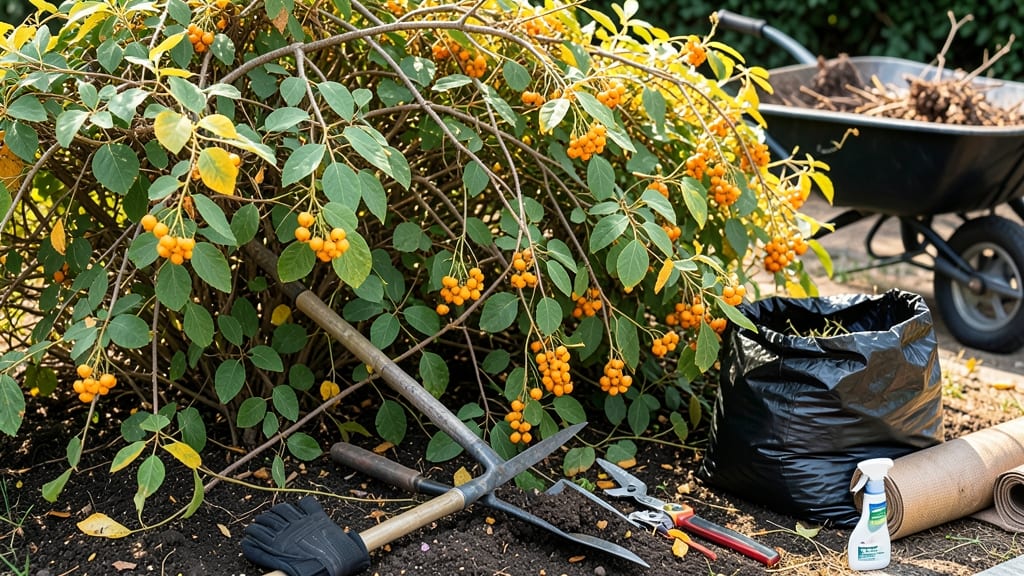
How to get rid of shrubs quickly and easily—boiling water and salt can kill them in under 24 hours—no digging, no chemicals, just fast results. 🌱 I’ve used this method to clear stubborn privet and lilac bushes from my yard, and it works better than any herbicide I’ve tried. The combo smothers roots while breaking down tough stems, leaving your soil ready for new plants without the mess of stumps.
You’ll need a large pot of boiling water, 2 cups of kosher salt, and a long-handled ladle or pitcher. Salt lowers the water’s freezing point, making it more effective at penetrating roots and drawing moisture out of the plant’s cells.
Just pour the mixture directly onto the shrub’s base and stems, repeating every few days until the leaves turn brown and crispy.
What you’ll end up with is a clean, root-free space in just a few days—no waiting weeks for slow-acting herbicides or struggling with stubborn root systems.
The method works best on small to medium shrubs (under 6 feet tall) and in dry, sunny conditions where the salt can work its magic without being washed away.
For larger shrubs or tougher root systems, you might need to repeat the treatment or cut the stems first to speed up the process. Always wear gloves and work on a dry day to avoid burning yourself or damaging nearby plants.
Once the shrub is dead, you can till the area or cover it with cardboard and mulch to prevent regrowth.
📚 In This Guide
- What you need
- Instructions
- Tips and common mistakes
- Wrapping up and next steps
What you need
- ● Boiling water: At least 2–3 gallons per shrub (use a large pot, kettle, or even a boiling water jug designed for weed control).
- ● Coarse salt (non-iodized): 1–2 cups per gallon of boiling water (avoid table salt—it can harm soil long-term).
- ● Garden gloves: Heavy-duty nitrile or leather gloves (boiling water is hotter than you think!).
- ● Long sleeves & closed-toe shoes: Protect yourself from splashes and steam.
- ● Garden trowel or shovel: For loosening soil around stubborn roots.
- ● Hose or water source: To rinse tools and cool the area afterward.
- ● Vinegar (white, 20–30% acetic acid): Mix 1 part vinegar to 1 part water for extra potency (but test on a small area first—it can damage nearby plants).
- ● Dish soap (1 tbsp): Add to the boiling water mix to break down plant membranes faster.
- ● Plastic tarp or old blankets: Lay down to protect surrounding plants from accidental spills.
- ● Safety goggles: If working near delicate plants or in windy conditions.
- ● Marking spray: To outline shrubs you’ve treated (so you don’t miss spots!).
Step-by-Step instructions for removing shrubs with boiling water and salt
Here’s how I eliminate unwanted shrubs without digging—fast, chemical-free, and effective.
🔥 Step 1: Boil Water for Maximum Heat Impact
Fill a large pot with 4-5 gallons of water and bring it to a rolling boil. The higher the temperature, the more effective it is at killing roots and foliage. I like to use a heavy-duty pot because boiling water is heavy, and you’ll need to pour it carefully. If you don’t have a large pot, repeat the process in smaller batches—just focus on one section of the shrub at a time.
While waiting, clear the area around the shrub of any debris or mulch. You want direct access to the base and roots. A small rake helps loosen the soil slightly, allowing the boiling water to penetrate deeper. This step ensures the water reaches the root system where it matters most.
🧂 Step 2: Mix Salt for Enhanced Root Destruction
Add 1 cup of coarse salt to the boiling water and stir until fully dissolved. Salt dehydrates plant cells, accelerating the killing process. I use coarse salt because it dissolves slower, giving it more time to work its way into the soil and roots. Avoid fine table salt—it clumps and doesn’t distribute evenly.
Pour the saltwater mixture directly onto the base of the shrub, focusing on the stem and soil around it. You’ll want to saturate the area within 6-8 inches of the trunk. The saltwater will immediately start to bubble and steam, which is a good sign—it means the plant is being stressed. Repeat this process every 2-3 days for a week to ensure the roots are fully destroyed.
✂️ Step 3: Cut Down and Monitor Progress
After the first application, use pruning shears to cut the shrub down at the base. This helps the plant focus its remaining energy on the roots, which are already being attacked by the saltwater. You don’t need to remove the entire shrub—just trim it back to 4-6 inches above the ground. This also makes it easier to monitor progress, as you’ll see new growth (or lack thereof) more clearly.
Watch for signs of stress: wilting leaves, yellowing foliage, and eventually, the shrub will turn brown and crispy. This usually happens within 7-10 days of consistent treatment. If you see new green shoots emerging, it means the roots aren’t fully dead yet—keep applying the boiling saltwater until they stop growing back.
🌱 Step 4: Remove Debris and Prep the Soil
Once the shrub is completely dead and brown, use a shovel or garden fork to loosen the soil around the base. This helps break up any remaining roots and makes it easier to pull out what’s left. I like to work the soil in small sections, lifting and removing as much of the root system as possible. Even if you can’t get every last root, the boiling water and salt combo will have weakened them significantly.
After removing the shrub, rake the area smooth and consider adding a layer of fresh mulch or compost to improve the soil. This step is optional but helps prepare the space for new plants or landscaping. Avoid planting anything in the same spot for at least 3-4 months, as residual salt can still affect new growth.
Tips & tricks for perfect shrub removal
These little-known tricks will help you eliminate shrubs faster and more effectively than ever before.
Heat Application: For maximum efficiency in Step 1, use a large pot with a narrow spout—this makes pouring boiling water more precise and prevents spills. I've learned the hard way that splashing hot water can damage nearby plants or even your skin! If you don't have a narrow spout, use a ladle or measuring cup to control the flow. The key is to focus the water directly on the base where the roots meet the soil.
Salt Distribution: In Step 2, don't just pour the saltwater mixture once. I've found that creating small trenches around the base of the shrub (about 2-3 inches deep) allows the saltwater to penetrate deeper into the soil. This extra step ensures the roots absorb more of the solution, accelerating the killing process. Just be careful not to damage any nearby plants you want to keep.
Monitoring Progress: When checking for signs of stress in Step 3, look for three key indicators: first, leaves that droop even when the plant isn't wilting from lack of water; second, yellowing that starts at the leaf edges and moves inward; and third, a crispy texture when you gently rub a leaf between your fingers. These visual cues will help you track progress more accurately than just watching for brown leaves.
Equipment Strategy: If you're working with multiple shrubs, consider using a watering can with a long spout instead of carrying heavy pots of boiling water. You can pre-mix your saltwater solution in a large bucket and pour it directly from the can. This makes the process much faster and less physically demanding, especially for larger garden areas. Just make sure your can is heat-resistant!
Pro Tips for Get Rid Of Shrubs
- These little-known tricks will help you eliminate shrubs faster and more effectively than ever before.
- Heat Application: For maximum efficiency in Step 1, use a large pot with a narrow spout—this makes pouring boiling water more precise and prevents spills.
- Salt Distribution: In Step 2, don't just pour the saltwater mixture once.
Frequently asked questions
Got questions about tackling those pesky shrubs? You’re not alone! Here are answers to the most common concerns—so you can remove shrubs efficiently and without stress.
What’s the best time of year to remove shrubs?
Spring or early fall is ideal! In spring, the soil is softer and roots are actively growing, making removal easier. Late fall works too, as shrubs are dormant and less likely to regrow. Avoid winter (frozen ground) or peak summer (dry soil), which can complicate the process.
Is boiling water and salt safe for my lawn or garden?
Use this method sparingly—it’s harsh! While effective for shrubs, salt can harm nearby plants and soil fertility. Apply only to the targeted area, avoid water runoff, and rinse the soil afterward if other plants are close. For delicate gardens, consider manual removal or vinegar-based alternatives.
Will the shrubs grow back after treatment?
Yes, but not for long! The boiling water and salt combo kills roots, but stubborn shrubs may sprout from residual root fragments. Reapply the treatment or dig up any regrowth within 2–3 weeks. For tough cases, repeat the process or use a dedicated herbicide labeled for perennial shrubs.
What if I don’t want to use chemicals or boiling water?
No problem—try these natural fixes!
- Manual removal: Dig up roots with a shovel or garden fork (best for small shrubs).
- Vinegar solution: Mix 1 gallon of white vinegar, 1 cup salt, and 1 oz dish soap. Spray directly on leaves and stems (repeat weekly).
- Smothering: Cover the shrub with cardboard or black plastic for 4–6 weeks to block sunlight.
How do I know if the shrubs are fully dead?
Patience is key! Shrubs are dead when leaves turn brown, stems wilt, and no new growth appears after 2–4 weeks. For buried roots, check for soft, mushy tissue when dug up. If green shoots reappear, the roots may still be alive—reapply your chosen method.
What should I do with the dead shrub debris?
Don’t toss it out—repurpose it!
- Compost it (if untreated) for nutrient-rich soil later.
- Bag and dispose of it if you used salt or herbicides (check local regulations).
- Use larger branches as mulch for pathways or garden beds.
Wrapping up and next steps
Getting rid of stubborn shrubs doesn’t have to be a battle—with the right combo of boiling water and salt, you can smother those roots fast and reclaim your space! 🌱✨ Whether you’re tackling overgrown bushes or pesky weeds, this method is effective, eco-friendly, and budget-friendly.
Just follow the steps, stay consistent, and watch your yard transform.
Now that you’re armed with the know-how, grab your supplies and get started! Your future self (and your lawn) will thank you. Need extra tips? Check out our FAQ section for pro advice before diving in.