
Pests
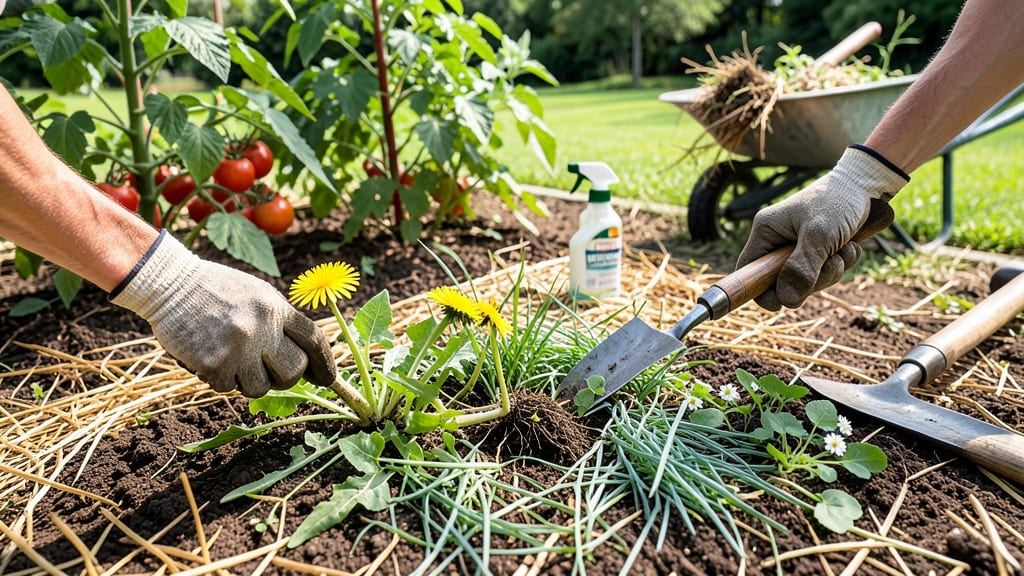
Boiling water is the fastest way to get rid of weeds—permanent roots and all. 🌱 I’ve tried vinegar, herbicides, and endless pulling, but this method finally gave me a weed-free path in my garden without harsh chemicals. The secret? Timing, technique, and a heavy kettle.
Most weeds return because their roots stay alive—until you hit them with 212°F water straight from the tap. It kills even the toughest invaders like dandelions and crabgrass in seconds, and you can do it anytime, rain or shine. No waiting for dry weather or worrying about drift.
By the end of the season, your garden beds will stay cleaner longer with less effort. The boiling water method works best in cracks, driveways, and between plants where weeds love to take hold. No more digging or backaches—just a quick pour and watch them wilt.
Works for any yard, from flower beds to patios. Here’s exactly how to do it without scorching your plants—or your hands.
Root Causes Behind Stubborn Weeds
Weeds aren’t just an eyesore—they’re nature’s tenacious survivors, thriving thanks to a mix of biological advantages, environmental conditions, and even human habits. Understanding why they take over your yard or garden is the first step to outsmarting them. Below, we break down the science-backed reasons weeds dominate your outdoor space.
Weeds have evolved to exploit weaknesses in your landscape. Here’s how:
- Rapid Reproduction: Many weeds (like dandelions or crabgrass) spread via wind-dispersed seeds or underground runners. A single dandelion can produce thousands of seeds in one season—each with a 90%+ germination rate. Their shallow root systems also mean they sprout quickly after disturbance (like mowing or tilling).
- Deep or Extensive Root Systems: Perennial weeds (e.g., quackgrass, bindweed) send out rhizomes or taproots that store energy for years. Boiling water or herbicides may kill the tops, but fragmented roots can regrow into new plants. Pro tip: Some roots survive 10+ feet underground!
- Photosynthetic Efficiency: Weeds like pigweed or chickweed photosynthesize faster than grass, outcompeting desirable plants for sunlight, water, and nutrients. Their broad leaves capture light even in shaded areas.
Weeds thrive when conditions align—often because of how we manage (or neglect) our landscapes:
| Factor | How It Helps Weeds | Solution |
|---|---|---|
| 💧 Overwatering | Moist soil speeds up seed germination and root growth. Weeds like nutsedge love soggy conditions. | Water deeply but infrequently; improve drainage. |
| ☀️ Compacted or Poor Soil | Dense soil blocks grass roots, leaving gaps for weeds to invade. Nutrient-poor soil weakens turf. | Aerate soil annually; add compost or organic matter. |
| 🔥 Disturbed Soil | Tilling, construction, or even foot traffic exposes dormant weed seeds buried for years. | Avoid tilling; use mulch to suppress seeds. |
Everyday actions can accidentally create weed paradises:
- Lack of Mulching: Bare soil stays warm, encouraging weed seeds to germinate. Mulch (straw, wood chips) blocks light and retains moisture, smothering weeds naturally.
- Over-Fertilizing: Weeds like clover or henbit thrive in nitrogen-rich soil. A slow-release, balanced fertilizer targets grass roots, not weeds.
- Ignoring Lawn Thickness: Thin grass leaves room for weeds to establish. Aim for 80–90% coverage—dense turf crowds out invaders.
- Improper Mowing: Cutting grass too short stresses it, while leaving clippings too long can seed weeds. Mow at 3–4 inches for a healthy barrier.
💡 Key Insight: Weeds don’t just grow—they exploit your landscape’s weaknesses. The good news? Armed with this knowledge, you can flip the script and reclaim your space—starting with boiling water’s precision strike on their roots.
Practical Ways to Eliminate Weeds
Now that you understand why weeds take over your yard, it’s time to tackle them head-on with proven methods. The key is targeting the root cause—whether it’s overgrowth, poor soil health, or neglect—and applying the right solution.
Below, we break down cause-specific fixes with step-by-step instructions and prevention tips to keep weeds at bay for good.
Fix: Manual Removal + Deep Digging Weeds thrive where plants compete for sunlight and nutrients. If your yard is overcrowded, pull them out by the roots before they spread.
Steps:
- 🔥 Water the Area First – Soak the soil 1–2 hours before pulling to loosen roots.
- 👨🍳 Grab Tools – Use a garden fork or weeding knife for stubborn roots.
- 🥘 Pull Firmly – Grasp the weed at the base and wiggle it free (don’t snap—this leaves roots behind!).
- 🔪 Dispose Properly – Bag weeds (especially invasive types like dandelions) to prevent reseeding.
💡 Pro Tip: For thick weed patches, smother with cardboard or mulch after removal to block sunlight and discourage regrowth.
Fix: Improve Soil + Natural Barriers Weeds love nutrient-poor or compacted soil. Rebuild your soil’s health to outcompete them.
Steps:
- 📊 Test Your Soil – Use a DIY kit to check pH and nutrient levels.
- 💪 Amend the Soil – Mix in compost, aged manure, or organic matter to enrich it.
- 🥗 Plant Ground Covers – Fast-growing plants like clover or creeping thyme shade out weeds naturally.
- 🎯 Apply Mulch – Use wood chips, straw, or pine needles (3–4 inches deep) to suppress weeds and retain moisture.
✨ Prevention: Aerate compacted soil annually to improve root penetration for your lawn or garden plants.
Fix: Consistent Upkeep Routine Weeds move in when you ignore your yard. A little regular care goes a long way.
Steps:
- ⏰ Schedule Weekly Checks – Scan for weeds when they’re young (easier to remove!).
- 🌿 Mow High – Keep grass at 3–4 inches to shade out weed seeds.
- 🔪 Edge Borders – Trim driveways and sidewalks to prevent weed creep.
- 💦 Water Deeply but Less Often – Encourages deep grass roots that crowd out weeds.
💡 Pro Tip: Boiling water treatment (your go-to method!) works best on small, localized patches. Pour 1–2 cups of boiling water directly on weeds—it kills them instantly and breaks down roots.
Fix: Targeted Boiling Water Blast For tough weeds like bindweed, nutgrass, or thistles, boiling water is your secret weapon.
Steps:
- 🔥 Boil 2–4 cups of water per weed cluster (use a kettle or large pot).
- 🍳 Pour Slowly – Aim for the base of the weed, soaking the soil around roots.
- 👨🍳 Repeat Weekly – Some weeds need 2–3 treatments for full eradication.
- 🌱 Monitor & Retreat – Watch for regrowth; spot-treat any new sprouts.
⚠️ Warning: Avoid boiling water on desirable plants—it can scald leaves. Test a small area first!
Once weeds are gone, keep them from coming back with these habits:
- 🌱 Plant Dense Ground Covers – Crowd out weeds with low-maintenance perennials.
- 📅 Stay on Top of Weeds – Remove them before they seed (most weeds spread via wind or animals).
- 💧 Water Evenly – Uneven moisture creates weak spots where weeds invade.
- 🔄 Rotate Treatments – Mix manual pulling, boiling water, and mulching to stay ahead.
Final Thought: Weeds don’t stand a chance when you combine smart soil care, consistent effort, and the right tools—like your boiling water blast! With these fixes, your yard will stay lush, weed-free, and effortlessly beautiful. 🚀
Frequently asked questions
Will boiling water kill all types of weeds?
Boiling water works best on annual weeds (like chickweed or crabgrass) and young perennials (such as dandelions). For deep-rooted weeds like bindweed or nutgrass, you may need 2-3 treatments spaced 1 week apart to fully eradicate them. The heat breaks down root systems, but persistent weeds might require follow-up.
Is boiling water safe for my garden plants?
No—boiling water can scald or kill desirable plants. Always pour it only on weeds, avoiding contact with flowers, vegetables, or grass. For areas near plants, use a narrow spout or a turkey baster to direct the water precisely. Test a small patch first if you're unsure.
How often should I treat weeds with boiling water?
For most weeds, a single treatment works if applied correctly. However, check the area 7-10 days later and retreat any regrowth. Perennial weeds (like clover or thistles) may need weekly treatments for 2-3 weeks to fully eliminate their root systems. Consistency is key!
Can I use boiling water in cold weather?
Yes! Boiling water works year-round, but cold weather makes it even more effective. The contrast between the 212°F water and freezing temperatures helps kill deep roots faster. Just ensure the ground isn’t frozen solid—pour on thawed soil for best results.
What’s the best time of day to treat weeds?
Early morning or late afternoon is ideal. Treating weeds when the sun is low reduces evaporation, allowing the boiling water to penetrate deeper into the soil. Avoid midday heat, which can cause the water to cool too quickly before it works its magic.