
Size
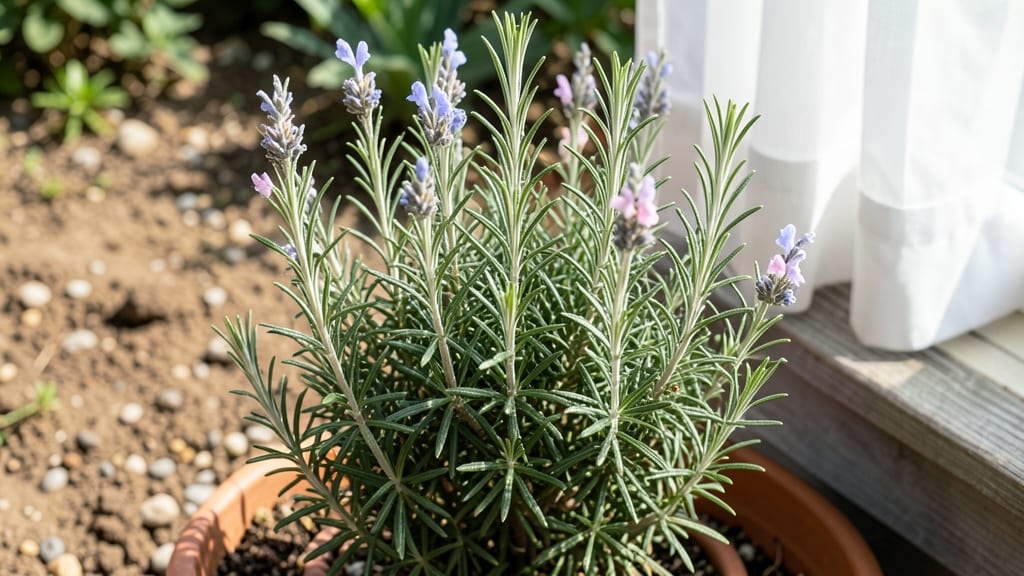
How to get rosemary to grow is easier than you think—this hardy herb thrives where most plants struggle: in drought, heat, and neglect. 🌿 I’ve killed more delicate plants than I’d like to admit, but rosemary? It’s the one that laughs at my black thumb. The secret isn’t fancy soil or constant care—it’s sunlight, good drainage, and knowing when to leave it alone.
Start with cuttings (not seeds) for faster results—just snip a 4-inch stem, strip the lower leaves, and plop it in dry soil. Water lightly, then forget about it.
Rosemary hates soggy roots, so containers with drainage holes are your best friend. Even in full sun, it’ll bounce back from neglect, making it perfect for busy gardeners.
Prune lightly in spring to shape it, but don’t overdo it—rosemary grows best when slightly wild. Harvest sprigs whenever you need them, and the plant will keep producing fragrant, needle-like leaves for years. The smell alone makes it worth growing, but the hardiness? That’s the real game-changer.
Works in garden beds or pots, even in USDA zones 7-10 (with winter protection). Once established, it’s nearly indestructible—just water when the soil feels dry an inch down. No fuss, no failure, just year-round green that smells like a Mediterranean vacation.
📚 In This Guide
- What you need
- Instructions
- Tips and common mistakes
- Wrapping up and next steps
What you need
- ● Rosemary plant or seeds: 1 healthy nursery-grown rosemary plant (preferred for faster results), OR
- ● High-quality rosemary seeds (ensure they’re fresh, ideally from a reputable supplier).
- ● Well-draining potting mix: 1 bag (5-10 lbs) of cactus or succulent mix (or amend regular soil with perlite/pumice for drainage).
- ● Containers: 1-2 terracotta or fabric pots (at least 12 inches deep and wide for mature plants). Pro tip: 💡 Terracotta helps wick away excess moisture!
- ○ Optional: Raised garden bed or in-ground planting space (if growing outdoors year-round).
- ● Drainage: 1 layer of gravel or pebbles (1-2 inches) at the bottom of pots (for drainage).
- ○ Optional: Perforated saucer to catch runoff (if using decorative pots).
- ● Hand trowel or small shovel (for planting/seeding).
- ● Pruning shears (for trimming and propagation).
- ● Spray bottle (for gentle watering of seeds/cuttings).
- ○ Gloves (optional, to protect hands from prickly stems).
- ○ Optional: Humidity dome or plastic wrap (to create a mini greenhouse for seeds/cuttings).
- ● Sunlight: A spot with at least 6-8 hours of direct sunlight daily (south-facing window or outdoor exposure).
- ● Temperature: Rosemary thrives in 60-80°F (15-27°C); avoid frost (hardiness zones 7-10).
- ● Water: Minimal! Wait until soil is completely dry before watering (overwatering = root rot).
- ● Patience: Seeds take 4-6 weeks to germinate; cuttings root in 2-4 weeks.
Step-by-Step instructions for growing rosemary year-round
Here’s how I keep rosemary thriving indoors and out—no green thumb required!
🪴 Step 1: Choose the Right Container and Soil
Rosemary hates soggy roots, so grab a container with drainage holes at least 8 inches deep for each plant. Terra cotta pots work best—they wick away excess moisture. Fill it with well-draining potting mix (avoid garden soil—it’s too dense). I like to mix in 20% perlite to keep things airy. Press the soil down gently until it’s firm but not compacted.
Here’s the thing—rosemary’s roots need room to breathe. If you’re planting multiple stems, space them 3-4 inches apart in the pot. The more air circulating around the roots, the happier your plant will be. Tap the pot lightly after filling to settle the soil without packing it down too tightly.
☀️ Step 2: Plant in Full Sun and Water Sparingly
Rosemary craves 6+ hours of direct sunlight daily. Place your pot near a south-facing window or under grow lights if indoors. Without enough light, stems stretch and leaves turn pale—this is your plant’s way of saying, “I’m desperate for sun!” If you’re outside, a bright, sheltered spot works best.
Water only when the top inch of soil feels dry to the touch. Stick your finger in—if it’s damp, wait. Overwatering is rosemary’s #1 killer. I usually water every 7-10 days in winter and every 5-7 days in summer, but adjust based on your climate. A good rule: Drought-tolerant plants like rosemary would rather thirst than drown.
✂️ Step 3: Prune for Bushiness and Harvest Regularly
Pinch back the tips of new growth when stems reach 6 inches tall to encourage bushier growth. Use clean scissors or fingers to snip just above a leaf node. This is where new branches will sprout—think of it as teaching the plant to branch out instead of growing tall and leggy.
Harvest sprigs from the tips of branches to keep the plant full and encourage more growth. Never take more than a third of the plant at once, or you’ll shock it. Fresh rosemary tastes best when harvested in the morning, but even a few sprigs from your pot will add incredible flavor to dishes. Pro tip: Hang harvested sprigs upside down in a dry, dark place to preserve them for weeks.
🌿 Step 4: Protect from Frost and Overwinter Indoors
If you’re growing rosemary outdoors, bring pots inside before temperatures drop below 20°F. A sunny windowsill or under grow lights keeps it alive through winter. If you must leave it outside, mulch the base with 2-3 inches of straw to insulate roots from freezing temperatures.
In winter, rosemary goes dormant—water even less frequently (every 2-3 weeks). Check soil moisture carefully, as indoor heating can dry out pots faster. A humidifier nearby helps prevent crispy leaves. If you notice yellowing leaves, it’s usually a sign of overwatering—cut back immediately and let the soil dry out completely.
🌱 Step 5: Propagate and Refresh Your Plant
Rosemary grows slowly, so propagate cuttings every few years to keep your plant vigorous. Snip a 4-inch stem from the tips, strip the lower leaves, and dip the cut end in rooting hormone (optional but helpful). Place it in moist potting mix and keep it in bright, indirect light until roots form—usually in 4-6 weeks.
Real talk: Even with care, rosemary can get woody over time. If your plant looks tired, take a few cuttings and start fresh. The new growth will be softer, more flavorful, and ready to thrive again. This is also a great way to share rosemary with friends—every gardener needs a few happy plants!
Tips & tricks for perfect rosemary growth
These game-changing tips will help you keep rosemary thriving year-round with minimal fuss!
Drainage is Everything: If you notice your rosemary's leaves turning yellow or dropping, it's almost always a sign of overwatering. The 8-inch deep container with drainage holes from Step 1 isn't just a suggestion—it's non-negotiable. I've seen rosemary plants recover from neglect, but never from soggy roots. For extra insurance, add a layer of small pebbles at the bottom of your pot before adding soil to create additional drainage space. This creates a buffer zone that prevents water from pooling around the roots.
Light Hack for Indoor Growers: That 6+ hours of direct sunlight requirement can be tricky indoors. If your south-facing window isn't getting enough sun, invest in a full-spectrum LED grow light on a timer for 12-14 hours daily. Place it 6-12 inches above your plant and adjust based on leaf color—pale leaves mean more light is needed. I keep mine running from 6 AM to 8 PM in winter when natural light is scarce. The key is consistency: rosemary won't tolerate inconsistent light exposure.
Pruning Pays Off: When you pinch back those 6-inch stems in Step 3, you're not just shaping your plant—you're encouraging it to produce more flavorful new growth. Here's what I do: after the initial pinch, I make a habit of harvesting one sprig every time I cook with rosemary. This constant stimulation keeps the plant producing fresh, tender leaves. And when you harvest, always cut just above a leaf node—this is where new branches will sprout. Think of it like giving your plant a haircut that stimulates growth rather than just trimming.
Winter Survival Strategy: That 20°F threshold for bringing rosemary indoors is crucial, but here's the secret: acclimate your plant first. Start moving pots indoors gradually over 5-7 days before the first frost. Place them in increasingly cooler spots each day. This helps prevent shock from sudden temperature changes. Once inside, keep it in the brightest window you have—even if that means moving it away from the cozy heat source. Cold drafts from windows can dry out leaves, so if you notice crispy edges, move the plant away from the glass or add a humidifier nearby.
Pro Tips for Get Rosemary To Grow
- These game-changing tips will help you keep rosemary thriving year-round with minimal fuss!
- Drainage is Everything: If you notice your rosemary's leaves turning yellow or dropping, it's almost always a sign of...
- Light Hack for Indoor Growers: That 6+ hours of direct sunlight requirement can be tricky indoors. If your south-faci...
Frequently asked questions
Got rosemary questions?
Here are answers to the most common ones—so you can keep your plants happy and thriving year-round!
How often should I water rosemary?
Rosemary is drought-tolerant, so water only when the top 1–2 inches of soil feel dry (about once a week in hot weather, less in cooler months). Overwatering is the #1 killer—stick your finger in the soil to check! Pro tip: If leaves turn yellow, you’re likely watering too much.
Can rosemary survive winter?
Yes! Hardy rosemary (like Rosmarinus officinalis) can handle light frost (down to 20°F/-7°C), but heavy snow or prolonged cold may damage it. For extra protection:
- Mulch the base with straw or pine needles.
- Wrap pots in burlap or move them to a sheltered spot.
- Prune back dead growth in early spring.
Why is my rosemary turning brown?
Brown tips or leaves usually mean one of three things:
- Underwatering (soil too dry).
- Overwatering (root rot).
- Sunburn (too much harsh afternoon sun).
Fix it: Adjust watering, move to partial shade if needed, or trim dead leaves.
Can I grow rosemary indoors?
Place it near a sunny window (south-facing is ideal) or use a grow light 6+ hours/day. Use well-draining soil and a pot with drainage holes. Watch for:
- Leggy growth? Needs more light!
- Dropping leaves? Too cold (keep temps above 50°F/10°C).
Bonus: Prune regularly to encourage bushiness.
What’s the fastest way to grow rosemary?
Start with cuttings—they root faster than seeds! Here’s how:
- Snip a 3–4 inch stem, strip lower leaves.
- Dip in rooting hormone (optional) and plant in moist soil.
- Keep in bright, indirect light and mist occasionally.
- Roots form in 2–4 weeks!
Pro tip: Use a mix of perlite + potting soil for speed.
Wrapping up and next steps
Growing rosemary is easier than you think—just give it sunlight, well-draining soil, and a little love! Whether you’re a seasoned gardener or a beginner, these tips will help you cultivate a thriving, fragrant herb that rewards you with year-round greenery.
Now that you’re armed with the know-how, why not take the next step? Try propagating a cutting from your kitchen rosemary or plant one today—your future meals (and your garden) will thank you! 🌿✨