
Size
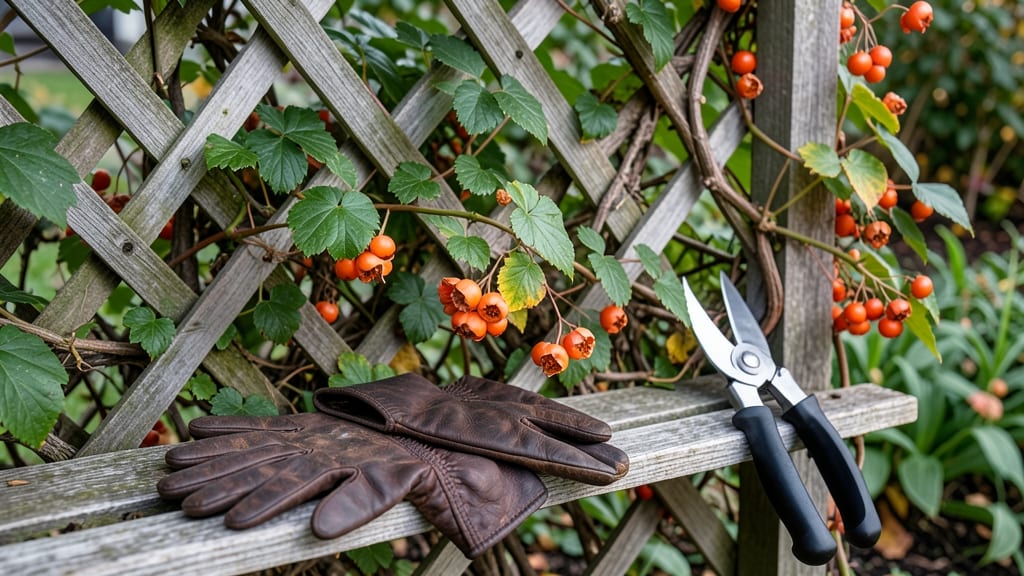
How to grow a bittersweet plant and turn your yard into a fiery autumn masterpiece. 🌿 These towering climbers—native to North America—paint your garden in bold reds and oranges, but they need the right start to thrive. I’ve grown them for years, and the secret isn’t just planting; it’s patience and smart care.
Start with healthy cuttings or seeds (though seeds take longer to establish). Bittersweet loves well-draining soil and full sun, but it’s tough enough to handle partial shade. Water deeply after planting, then let nature take over—these vines are drought-tolerant once established.
Most varieties are perennial in zones 3-9, but they spread aggressively, so contain them if needed.
By late summer, you’ll see those signature clusters of red berries (toxic to pets, so keep them away from curious pups!). Prune in early spring to shape the vine, but avoid heavy cuts—bittersweet grows 10-15 feet per year and needs that energy.
The payoff? A 10-foot-tall living tapestry of fall color that outshines anything store-bought.
Fair warning: Bittersweet can be invasive in some areas, so check local regulations before planting. If you’re in a wildfire-prone zone, opt for the non-invasive Celastrus scandens variety. With the right spot, these vines will reward you for years—just don’t expect instant gratification.
📚 In This Guide
- What you need
- Instructions
- Tips and common mistakes
- Wrapping up and next steps
What you need
- ● Bittersweet plant: Choose between Celastrus scandens (American bittersweet) or Celastrus orbiculatus (Oriental bittersweet). Start with 1-3 healthy plants or seeds.
- ● Well-draining soil: A mix of garden soil, compost (1 part), and perlite or sand (1 part) for aeration. Aim for 6.0–7.0 pH.
- ● Fertilizer: A balanced, slow-release fertilizer (10-10-10 or 20-20-20) or organic options like composted manure.
- ● Support structure: A trellis, fence, or sturdy stakes (at least 6–8 feet tall) for climbing vines.
- ● Watering can or hose: With a gentle spray nozzle for hydration.
- ● Pruning shears: Sharp, clean shears for trimming (sterilize with rubbing alcohol between cuts).
- ● Mulch: Organic mulch (wood chips or straw) to retain moisture and suppress weeds (2–3 inches thick).
- ● Soil test kit to check pH and nutrient levels.
- ● Epsom salt (for magnesium boost, if leaves show yellowing).
- ● Plant ties or soft twine to secure vines to supports.
- ● Pest control: Neem oil or insecticidal soap (for aphids or spider mites).
- ● Garden gloves to protect hands during planting or pruning.
Step-by-Step instructions for growing bittersweet plants
Bittersweet thrives with the right balance of sun, soil, and patience—here’s how to grow these stunning vines.
🌱 Step 1: Select the Perfect Planting Site
Bittersweet vines need full sun to partial shade—at least 6 hours of direct sunlight daily—to produce their signature vibrant fall foliage. I always choose a spot with morning sun and afternoon shade in hotter climates to prevent leaf scorch. The soil should drain well but retain moisture; amending heavy clay with compost or sand improves root health dramatically.
Check the site’s drainage by digging a 6-inch hole and filling it with water. If it drains in under an hour, it’s ideal. If water pools after 24 hours, amend the soil further. Bittersweet tolerates a range of soil pH but thrives in slightly acidic to neutral conditions (pH 6.0-7.0). A simple soil test kit confirms your soil’s pH before planting.
🌿 Step 2: Plant Bare-Root or Container-Grown Bittersweet
For bare-root plants, soak the roots in lukewarm water for 1-2 hours before planting to rehydrate them. Dig a hole twice as wide and just as deep as the root ball to encourage outward root growth. Gently place the plant in the hole, ensuring the top of the root ball sits level with the soil surface—burying too deep suffocates the stem.
For container-grown bittersweet, remove the plant carefully, loosen any circling roots with your fingers, and place it in the hole at the same depth it was growing before. Backfill with native soil mixed with compost, tamping lightly to eliminate air pockets. Water deeply to settle the soil and remove any mulch within 6 inches of the stem to prevent rot.
☀️ Step 3: Provide Support and Prune for Strong Growth
Bittersweet vines need trellises, arbors, or sturdy fences to climb—install support structures at planting if possible. I use metal trellises for durability, securing them firmly into the ground with 4-foot stakes. Train the main vine along the support, tying it loosely with soft garden twine every 12-18 inches to guide growth upward.
Prune in early spring to remove dead or weak stems, cutting just above a bud or lateral branch. Avoid heavy pruning in the first year; bittersweet establishes slowly. In late winter, trim back overgrown vines by one-third to encourage bushier growth. Always use clean, sharp pruners to prevent disease transmission.
💧 Step 4: Water and Fertilize for Vibrant Fall Color
Water deeply once a week during the first growing season, ensuring the soil is moist 6 inches down. After establishment, bittersweet is drought-tolerant but produces brighter fall foliage with consistent moisture. I check soil moisture by inserting my finger—if it feels dry past the first inch, it’s time to water. Avoid overhead watering to prevent fungal diseases like powdery mildew.
Fertilize lightly in early spring with a balanced, slow-release fertilizer (10-10-10 or similar). Over-fertilizing encourages leafy growth at the expense of berries and vibrant fall color. I skip fertilizer in the second year unless the plant looks stressed. Mulch annually with 2-3 inches of organic mulch (like shredded bark) to retain moisture and suppress weeds, keeping it 6 inches away from the stem.
⏰ Step 5: Prepare for Winter and Encourage Return Growth
Bittersweet is deciduous and hardy in USDA Zones 3-9, but young plants benefit from winter mulch—apply 4-6 inches of straw or leaves after the first hard frost to insulate roots. In colder zones, prune back dead or damaged stems in late winter before new growth begins. The plant will sprout fresh shoots from the base in spring, signaling it’s ready for another season of climbing and color.
Watch for aphids or spider mites on new growth; treat infestations early with neem oil or insecticidal soap. Bittersweet rarely has pests, but crowded vines attract problems. Thin out overcrowded stems in spring to improve airflow. With proper care, your bittersweet will reward you with towering vines and fiery fall hues for years to come.
Tips & tricks for perfect bittersweet vine growth
These simple but game-changing strategies will help your bittersweet vines thrive and reach their full potential.
Site Selection Secret: While bittersweet tolerates partial shade, I’ve found the sweet spot is actually morning sun with afternoon shade—this prevents leaf scorch in hot climates while still providing enough light for vibrant fall color. If you're planting near a fence or wall, position it so the vine receives morning sunlight first. The 6 hours of direct sunlight mentioned in Step 1 is your minimum, but more sun means more dramatic foliage colors later.
Root Rehydration Technique: That 1-2 hour soak for bare-root plants in Step 2 isn't just about hydration—it's about waking up the roots. I like to add a tablespoon of seaweed extract to the lukewarm water for an extra boost of nutrients. This helps the roots recover from transplant shock and establish faster. Pro tip: Soak the roots while you're preparing the planting hole—no need to rush!
Support System Strategy: When installing your trellis or arbor in Step 3, bury the stakes at least 12 inches deep for maximum stability. I've seen too many vines topple when supports aren't properly anchored, especially in windy conditions. For heavy vines, consider using two trellises placed 3 feet apart—this creates a more stable structure and allows the vine to grow between them naturally.
Pruning Precision: That one-third trim in late winter mentioned in Step 3 is about more than just size control—it's about encouraging bushier growth. When pruning, always cut just above a bud or lateral branch at a 45-degree angle. This creates a natural water runoff and prevents disease. I like to prune on a dry day when the tools are cleanest to minimize any risk of infection.
Pro Tips for Grow Bittersweet Plant
- These simple but game-changing strategies will help your bittersweet vines thrive and reach their full potential.
- If you're planting near a fence or wall, position it so the vine receives morning sunlight first.
- Root Rehydration Technique: That 1-2 hour soak for bare-root plants in Step 2 isn't just about hydration—it's about waking up the roots.
Frequently asked questions
Got questions about growing bittersweet? You’re not alone!
Here are answers to the most common queries—from timing to troubleshooting—to help your vines thrive with confidence.
When is the best time to plant bittersweet?
Plant bittersweet in early spring (after the last frost) or early fall (4–6 weeks before the first frost). This gives roots time to establish before extreme heat or cold. Avoid planting in summer heat, which can stress young vines.
How long does it take for bittersweet to grow and produce berries?
Bittersweet vines grow 1–3 feet per year and may take 2–3 years to mature enough for berries. Patience pays off—once established, they’ll reward you with vibrant red/orange berries in late summer/fall.
Are bittersweet berries safe for birds?
No!
While birds eat them, bittersweet (Celastrus scandens) berries are toxic to humans and pets. Opt for non-toxic alternatives like Virginia creeper or American bittersweet (Celastrus scandens)’s safer cousin, Oriental bittersweet (Celastrus orbiculatus), if wildlife safety is a concern.
Why aren’t my bittersweet berries turning color?
Lack of sunlight or nutrients often causes this. Ensure your vine gets full sun (6+ hours/day) and amend soil with compost or balanced fertilizer in early spring. Overcrowding or pests (like spider mites) can also stunt berry development—inspect leaves regularly!
Can I grow bittersweet in containers?
Yes, but choose a large container (15+ gallons) with drainage holes. Use well-draining potting mix and prune aggressively to control growth. Containers work well for small spaces or patios, but expect slower growth than in-ground plants.
Wrapping up and next steps
Growing bittersweet plants is a rewarding way to add height, drama, and seasonal flair to your garden—whether you’re a beginner or a seasoned gardener! 🌿 With the right location, soil, and care, these vines will flourish, offering stunning autumn hues and even wildlife support.
Now that you’re armed with the know-how, roll up your sleeves and plant your first vine—your garden’s fall masterpiece is just a season away!
Next step: Pick your favorite bittersweet variety (American or Oriental) and start prepping your space this spring! 🌱