
Size
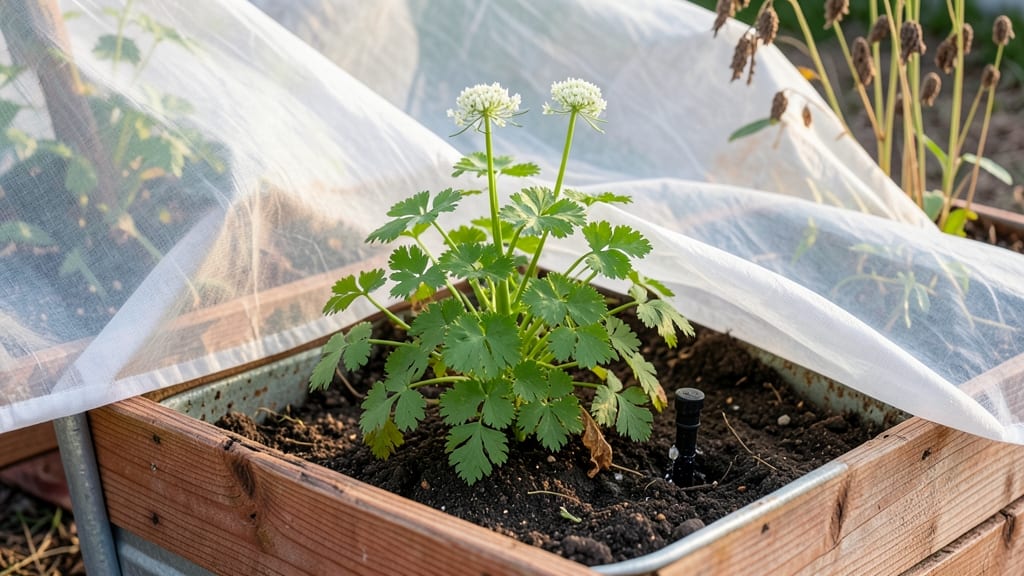
How to grow cilantro in Texas turns the state’s brutal heat into a manageable challenge—once you know the right tricks. 🌿 I’ve grown cilantro here for years, and the secret isn’t just picking the right variety (like ‘Santo’ or ‘Calypso’), but timing and shade. Plant in fall or spring when temperatures dip below 80°F, and you’ll avoid the bitter, bolted plants that ruin so many Texas gardens.
The real game-changer? Dappled shade—cilantro wilts under full Texas sun. Use shade cloth or plant near taller veggies like tomatoes. Keep soil moist but not soggy (Texas clay drains poorly), and mulch to lock in moisture. Most folks overwater, which actually speeds up bolting—the opposite of what you want.
By mid-winter, you’ll have bright green, flavorful leaves ready for tacos or salads. The key is patience: cilantro grows slower in cooler months, but it’s worth it. No more store-bought cilantro that’s limp and tasteless—just homegrown, heat-toughened plants that actually last.
For summer cilantro, try container growing with afternoon shade. And if your cilantro bolts anyway? Harvest the seeds for coriander—Texas heat turns cilantro’s downfall into a bonus. Let’s get those seeds in the ground before the next heatwave hits.
📚 In This Guide
- What you need
- Instructions
- Tips and common mistakes
- Wrapping up and next steps
What you need
- ● Seeds: 1–2 packets of heat-resistant cilantro seeds (e.g., Santo, Calypso, or Slow Bolt). Aim for 50–100 seeds per packet (enough for 2–3 plantings).
- ● Growing Space: Containers: 5–6-inch diameter pots (3–4 per planting) with drainage holes, or
- ● In-Ground: Well-draining soil in a partial-shade spot (6+ hours of morning sun, afternoon shade).
- ● Soil: 1–2 bags of light, well-draining potting mix (or amend garden soil with compost and perlite for aeration).
- ● Fertilizer: Balanced organic fertilizer (e.g., 10-10-10) or fish emulsion (mix 1 tbsp per gallon of water).
- ● Watering Tools: Watering can with a fine rose nozzle (to avoid disturbing seeds).
- ○ Drip irrigation kit (optional but ideal for Texas heat—keeps soil consistently moist).
- ● Shade Cloth: 30–50% shade cloth (to protect seedlings from intense afternoon sun).
- ● Pruning Shears: Small, sharp scissors for harvesting leaves and trimming bolting stems.
- ● Row Cover: Lightweight fabric (if planting in early spring/fall to deter pests).
- ● pH Test Kit: To check soil pH (cilantro prefers 6.2–6.8; amend with lime or sulfur if needed).
- ● Mulch: Straw or shredded leaves (to retain moisture and regulate soil temp).
- ● Timing: Plant in early spring (Feb–March) or fall (Sept–Oct) to avoid peak Texas heat (avoid summer plantings unless using shade cloth!).
- ● Sunlight: Partial shade is key—cilantro bolts (goes to seed) in direct Texas sun.
- ● Watering Commitment: Keep soil consistently moist (not soggy) but avoid overhead watering (can cause fungal issues).
Step-by-Step instructions for growing cilantro in Texas heat
Texas summers can turn cilantro into a bolt-and-bite challenge—but these steps keep it lush and flavorful.
🌱 Step 1: Select Heat-Tolerant Varieties and Plant at the Right Time
Skip the standard varieties—they bolt in 90°F+ weather. Instead, opt for Calypso or Santo cilantro, bred to handle heat better. Plant in early spring (February-March) or fall (September-October) when daytime highs stay below 80°F. Texas' unpredictable spring heat makes late March risky, so have a backup plan for shade cloth if temperatures spike unexpectedly.
Choose a site with partial shade—morning sun and afternoon shade works best. Cilantro thrives in 6-8 hours of light daily, but direct afternoon sun accelerates bolting. If your garden gets intense afternoon heat, consider a 50% shade cloth during peak summer months to extend the harvest window.
🪴 Step 2: Prepare Soil and Plant with Proper Spacing
Cilantro prefers well-draining, fertile soil with a pH of 6.0-7.0. Mix 2 inches of compost into the top 6 inches of soil before planting. Avoid fresh manure—it can cause rapid bolting. Texas clay soil? Amend it with 1 part peat moss or coconut coir to every 2 parts native soil to improve drainage.
Sow seeds ¼ inch deep, spacing them 6-8 inches apart in rows 12 inches apart. Thin seedlings to the strongest plant per spot when they reach 2 inches tall—crowding stresses plants and invites fungal issues. I like to transplant excess seedlings to a shadier spot in the garden to extend my harvest.
💧 Step 3: Water Consistently Without Overdoing It
Keep soil evenly moist but never soggy—cilantro hates dry spells. Water deeply 1-2 times per week, aiming for 1 inch of water total. Let the top inch of soil dry between waterings to prevent root rot. In Texas' dry air, morning watering reduces evaporation and fungal risks. Avoid overhead watering after dark—wet foliage invites disease.
Here's the thing—cilantro bolting often starts with stress, and inconsistent watering is a major trigger. Use a soaker hose or drip irrigation to deliver water directly to the roots without wetting the leaves. If your cilantro starts flowering early, reduce water slightly and provide more afternoon shade immediately.
✂️ Step 4: Harvest Strategically to Prolong Growth
Harvest leaves before plants reach 8-10 inches tall—this prevents bolting. Snip the outer leaves first, leaving the inner growth intact. Use clean, sharp scissors to avoid damaging stems. Regular harvesting encourages bushier growth and extends the harvest by 2-3 weeks compared to a single cut-and-discard approach.
For maximum flavor, pick leaves in the morning after dew has dried but before the heat of the day. If you notice flower buds forming, harvest the entire plant immediately—those leaves still taste great, but the plant will quickly become bitter and seed-heavy. In Texas, this usually happens by mid-April or late September, so plan your harvest schedule accordingly.
☀️ Step 5: Extend the Season with Shade and Succession Planting
To grow cilantro in summer, provide afternoon shade using a removable shade cloth (30-50% coverage). Remove it in early fall when temperatures drop below 85°F. I’ve had success growing cilantro in July-August this way, though yields are smaller. Pair this with succession planting—sow new seeds every 2-3 weeks in spring and fall to ensure a continuous supply.
Save seeds from your best-performing plants if you want to develop a locally adapted strain. Let a few plants bolt and go to seed, then dry and store the seeds in a cool, dark place. Next season, you might find your homegrown cilantro handles Texas heat even better than commercial varieties.
Tips & tricks for growing cilantro in Texas heat
A few simple strategies can transform your cilantro from bolting disaster to thriving Texas garden star.
Variety Selection Matters: While Calypso and Santo cilantro are your best bets for heat resistance, don't overlook Slow Bolt varieties that specifically claim 10-14 days longer before bolting. I've found these hold up better during our unpredictable spring heat spikes. For container growing, opt for dwarf varieties like Salsa—they handle heat better in confined spaces and produce more leaves per plant. The key is matching variety to your specific growing conditions, whether that's in-ground beds or patio containers.
Soil Preparation Secret: Texas clay soil can be cilantro's worst enemy, but the right amendments make all the difference. Beyond the recommended compost and peat moss, add 1/4 cup of dolomitic lime per 10 square feet to adjust pH if your soil tests below 6.0. This creates the ideal 6.0-7.0 range without over-acidifying. I also recommend working in 1 cup of perlite per square foot to improve drainage—this prevents the root rot that often kills cilantro plants during our heavy summer rains. Think of it as giving your cilantro both breathable air pockets and proper drainage.
Stress Prevention Strategy: Cilantro bolts when stressed, and Texas heat creates constant stress. The 6-8 hours of light mentioned in Step 1 should be gentle morning sun only—afternoon heat is the real villain. Install a removable shade cloth system that you can adjust as temperatures change. I use a 40% shade cloth on the east side of plants and 50% on the west side to block the intense afternoon sun while still allowing plenty of light. This simple adjustment can extend your harvest window by 3-4 weeks compared to growing without shade protection.
Harvest Timing Hack: Those morning harvests mentioned in Step 4 are non-negotiable for Texas growing. But here's the pro move: harvest every other day during peak growth periods (spring and fall). This constant stimulation keeps plants producing new leaves instead of bolting. When you notice flower buds forming, don't panic—harvest those leaves too! They're still flavorful, and removing the buds can sometimes reset the plant's growth cycle, giving you another 10-14 days of harvest before it fully bolts. It's like giving your cilantro a second chance.
Pro Tips for Grow Cilantro In Texas
- A few simple strategies can transform your cilantro from bolting disaster to thriving Texas garden star.
- Variety Selection Matters: While Calypso and Santo cilantro are your best bets for heat resistance, don't overlook Slow Bolt varieties that specifically claim 10-14 days longer before bolting.
- Soil Preparation Secret: Texas clay soil can be cilantro's worst enemy, but the right amendments make all the difference.
Frequently asked questions
Got questions about growing cilantro in Texas?
Here are answers to the most common ones—so you can grow lush, flavorful cilantro even in the heat!
Can cilantro survive Texas summers?
Most cilantro bolts (goes to seed) in Texas heat, but heat-tolerant varieties like ‘Santo’ or ‘Calypso’ can handle up to 85°F for a few weeks. For long-term success, grow it in spring (Feb–Apr) or fall (Sept–Nov) when temps are milder. If you must grow in summer, use shade cloth (30–50%) and water deeply to keep roots cool.
How long does it take for cilantro to grow in Texas?
From seed to harvest, cilantro typically takes 4–6 weeks in ideal conditions. In Texas, cooler seasons (spring/fall) speed this up, while summer heat may slow growth or cause bolting. Thin seedlings to 6–8 inches apart for faster, fuller plants. Harvest leaves when they’re 2–3 inches tall for the best flavor!
What can I do if my cilantro keeps bolting?
Bolting (flowering prematurely) is common in Texas heat. To prevent it:
- Choose slow-bolting varieties like ‘Criollo’ or ‘Lechuga.’
- Harvest leaves frequently to encourage bushier growth.
- Avoid overwatering—keep soil consistently moist but not soggy.
- Use shade cloth (30–50%) in peak summer.
- Try succession planting every 2 weeks for a continuous harvest.
Can I grow cilantro in containers in Texas?
Containers work great for Texas gardens because you can move them to shadier spots during heatwaves. Use pots at least 6–8 inches deep with well-draining soil. Place them in morning sun + afternoon shade to prevent bolting. Water containers daily in summer—they dry out faster than in-ground plants.
What’s the best way to harvest cilantro in Texas?
Harvest cilantro by snipping outer leaves with clean scissors, leaving the inner growth intact. For a bigger harvest, cut stems just above a leaf node. In Texas, harvest early in the morning when oils are most concentrated. If your plant bolts, pick the flowers/seeds—they’re edible and add a citrusy kick to dishes!
Pro Tip:
If your cilantro tastes soapy, it’s a sign of stress (often from heat or overwatering). Fix it by:
- Moving plants to cooler, shadier spots.
- Watering only when the top inch of soil is dry.
- Harvesting leaves more frequently to reduce stress.
Wrapping up and next steps
Growing cilantro in Texas is totally doable—especially with heat-tolerant varieties like ‘Santo’ or ‘Calypso’! 🌱 With the right soil, watering routine, and a little shade during peak heat, you’ll be harvesting fresh, flavorful leaves in no time.
Don’t let the Texas sun stop you—just follow these steps, stay patient, and enjoy the rewards of your homegrown herb.
Ready to take the next step? Start small with a few pots or a dedicated garden bed, and soon you’ll be adding that bright, citrusy flavor to all your favorite dishes. Happy growing! 🌿